

 Preview
 Send
Send Share
Share
 Details

 Download
 Similars
 X-Ray
X-Ray Diaporama
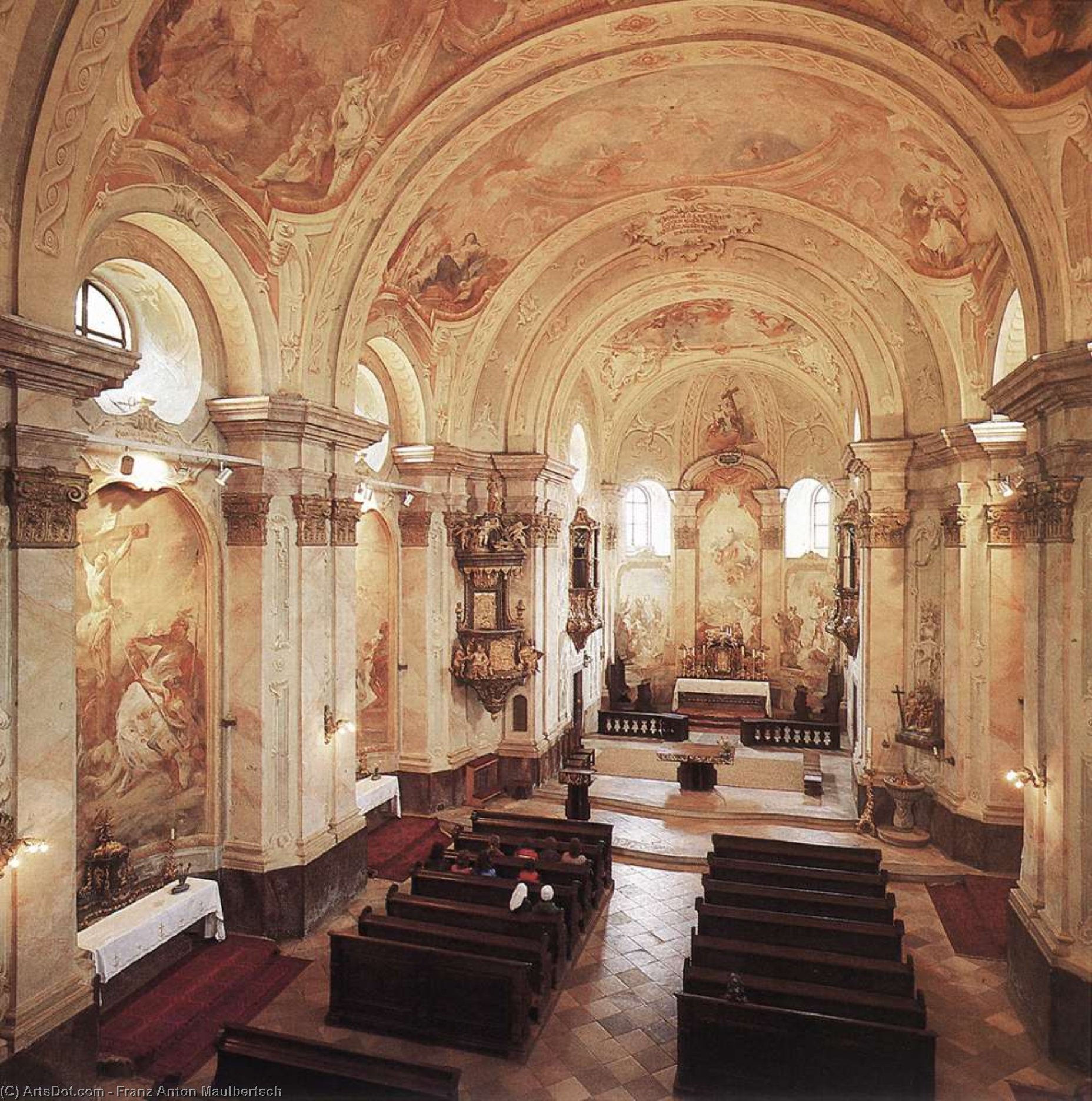
Interior of the Church


 Read More
Purchase a high-resolution, enhanced digital image, far superior to the online preview.
Each file is meticulously prepared by our in-house specialists using advanced tools and expert manual retouching. We ensure every image has exceptional clarity, precise color accuracy, and fine detail.
The final file is delivered via email within 72 hours, optimized for immediate use in professional, editorial, and print environments. This is the same quality trusted by top-tier design studios, publishers, and galleries.
Digital Image
Download a high-resolution file for personal display, printing, and creative projects. ( Buy Print Buy Hand Made Painting)
Included in Every Digital Image Order
Expert Digital Delivery, Guaranteed
When you choose ArtsDot.com, you're not just getting an image - you're receiving a professionally enhanced digital artwork, crafted with precision and backed by a satisfaction guarantee. Here's everything that comes with your order, automatically:

Fast Email Delivery
Your high-resolution digital image file will be emailed to you within 72 hours of ordering - ready for immediate use.

AI-Enhanced Digital File
Your artwork is professionally optimized using advanced AI tools and manual editing, ensuring maximum detail, clarity, and color accuracy.

Free Lifetime Re-Delivery
Accidentally deleted or lost your file? No worries - we'll resend it to you anytime, free of charge.

No Import Fees - Ever
Enjoy your artwork instantly with zero customs, duties, or delivery fees - digital downloads are always tax-free.

Color Accuracy Guarantee
We ensure your digital image reflects the original colors as closely as possible using professional tools and color management.

60-Day Satisfaction Guarantee
If you're not satisfied with your digital image, we'll revise it or refund 100% within 60 days - no questions asked.

100% Money-Back Guarantee
Not satisfied? Get a full refund within 60 days of receiving your digital file - no questions asked.

Bulk Order Discounts
Buy 3 images, save 10% - Buy 5, save 15% - Buy 10+, save 20%. Great for creative projects, galleries, and agencies.
Collectible Description
Interior of the Church by Franz Anton Maulbertsch
Franz Anton Maulbertsch’s “Interior of the Church,” painted in 1758, stands as a testament to Rococo artistry and its profound connection with faith. Located within the Sümeg Cistercian Abbey church—a site revered for centuries—this fresco embodies the spirit of enlightenment while retaining an undeniable solemnity.
Maulbertsch, born in Langenargen, Germany, in 1724, skillfully navigated the transition from Baroque formalism to Rococo’s embrace of light, color, and organic forms. Trained at Vienna’s Academy, he absorbed influences from Tiepolo and Troger—masters who championed grandeur alongside delicate ornamentation—resulting in a distinctive style characterized by shimmering surfaces and graceful drapery.
The fresco depicts the nave of the abbey church with remarkable precision. Rows of arched pews dominate the scene, bathed in diffused light that emanates from the monumental dome overhead. Above these pews hang paintings depicting biblical figures—a deliberate choice reflecting the abbey’s devotion to Christian piety. The artist’s meticulous attention to detail extends beyond mere representation; he captures the subtle textures of stone and fabric, conveying a palpable sense of atmosphere.
Technically, Maulbertsch employed tempera paint on plaster—a technique favored during his era for its luminosity and durability. Layers of translucent pigment were applied to create an illusionistic depth that draws viewers into the sacred space. The color palette is restrained yet harmonious, dominated by muted golds, blues, and reds—colors traditionally associated with divinity and contemplation.
Beyond its aesthetic qualities, “Interior of the Church” carries significant symbolic weight. The dome represents heaven’s majesty, while the arched pews symbolize the communal worship practiced within the abbey. The biblical paintings serve as reminders of God's grace and salvation—themes central to Christian faith. Maulbertsch’s masterpiece invites contemplation on themes of spirituality and artistic excellence.
The painting’s emotional impact is undeniable. It evokes a feeling of serenity and reverence, transporting viewers back to the Rococo era and fostering an appreciation for the enduring beauty of religious art. Reproductions of “Interior of the Church” can enrich any interior space, bringing forth a sense of tranquility and inspiring reflection.
- Artist: Franz Anton Maulbertsch (1724-1796)
- Year: 1758
- Medium: Tempera on Plaster
- Location: Sümeg Cistercian Abbey Church, Hungary
- Style: Rococo
For more information about Franz Anton Maulbertsch and his work, visit WGA Art Gallery.
Related Artworks

Artist Biography
A Life Bathed in Light: The Rococo World of Franz Anton Maulbertsch
Born in the idyllic lakeside town of Langenargen, Germany, in 1724, Franz Anton Maulbertsch emerged as a pivotal figure bridging the dramatic grandeur of the late Baroque and the airy elegance of the burgeoning Rococo movement. His artistic journey began with formal training at the Academy of Vienna, a foundational experience that would shape his distinctive style and propel him to prominence throughout Central Europe. From an early age, Maulbertsch demonstrated a keen eye for color and composition, qualities nurtured by his instructors and further refined through diligent study of the masters who preceded him. He wasn’t merely replicating styles; he was absorbing them, dissecting their strengths, and preparing to forge his own unique artistic voice.The Shaping of a Style: Influences and Artistic Development
Maulbertsch's development wasn’t a solitary pursuit. He stood on the shoulders of giants, carefully studying and internalizing the lessons offered by leading artists of his time. His apprenticeship under Paul Troger, a celebrated Austrian Baroque painter, instilled in him a sense of theatricality and dynamic composition – hallmarks of the era. However, Maulbertsch's artistic horizons expanded significantly through exposure to Venetian masters like Giovanni Battista Pittoni and Piazzetta. Their masterful use of light and color, their ability to evoke emotion through subtle gradations and vibrant hues, deeply resonated with the young artist. A particularly formative experience was his encounter with Giambattista Tiepolo around 1750 in Würzburg. Witnessing Tiepolo’s breathtaking frescoes broadened Maulbertsch's understanding of illusionistic space and narrative power, influencing his own approach to large-scale decorative painting. He also meticulously examined the works of Sebastiano Ricci at Schönbrunn Palace in Vienna, further honing his skills and refining his aesthetic sensibilities. These influences weren’t simply mimicked; they were synthesized into a style that was distinctly Maulbertsch's own – a vibrant blend of Baroque drama and Rococo grace.Master of Fresco: Commissions and Major Works
Maulbertsch quickly established himself as one of the most sought-after fresco painters in the German-speaking world, receiving commissions from both religious institutions and secular patrons. His ability to transform architectural spaces into immersive visual experiences cemented his reputation. He adorned churches across Central Europe with stunning frescoes, including those in Bicske and Kalocsa, and within Vienna’s revered Michaelerkirche and Piaristenkirche Maria Treu. The Porta Coeli monastery in Moravia, the Archbishop's Palace in Kroměříž, and the elegant Villa of Halbturn all bear testament to his artistic prowess. Beyond these grand ecclesiastical projects, Maulbertsch also created captivating paintings such as “Jupiter and Antiope,” a work brimming with mythological drama, and “Philip the Apostle Baptizes a Eunuch,” showcasing his skill in religious narrative. His genre scenes, like "A Barber Surgeon at Work" and “Pastoral Serenade”, offer glimpses into everyday life rendered with remarkable detail and sensitivity. These works weren’t merely decorative; they were carefully considered compositions designed to engage the viewer emotionally and intellectually.Legacy and Historical Significance
Franz Anton Maulbertsch's contribution to 18th-century art extends beyond his impressive body of work. He played a crucial role in transitioning from the late Baroque to the early Classical periods, skillfully balancing tradition with innovation. His unique artistic voice – characterized by vibrant colors, dynamic compositions, and a sense of theatricality – helped establish a distinctly Austrian Rococo style that influenced generations of artists. He successfully captured the changing tastes of his time while remaining rooted in established techniques, creating artworks that are both visually stunning and historically significant. Though some of his work was lost during the turmoil of World War II, the surviving frescoes and paintings continue to inspire awe and admiration. Maulbertsch’s legacy endures not only through the preservation of his masterpieces but also through ongoing scholarly study, ensuring that his place as a leading painter of the 18th century remains secure. He died in Vienna in 1796, leaving behind a rich artistic heritage that continues to captivate and enchant audiences today. His frescoes remain important examples of religious art and decorative painting from this era.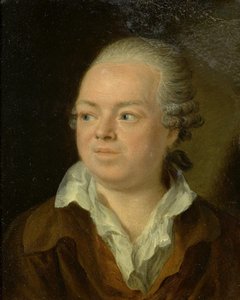
Franz Anton Maulbertsch
1724 - 1796 , Germany
Quick Facts
- Artistic Movement Or Style: Rococo, Baroque
- Artists Or Movements Influenced By This Artist: Austrian Rococo style
- Artists Who Influenced This Artist:
- Paul Troger
- G.B. Pittoni
- Piazzetta
- S. Ricci
- Tiepolo
- Date Of Birth: 1724
- Date Of Death: 1796
- Full Name: Franz Anton Maulbertsch
- Nationality: German/Austrian
- Notable Artworks:
- Jupiter and Antiope
- Philip the Apostle...
- A Barber Surgeon...
- Pastoral Serenade
- Allegory of the Alba
- St Narcissus in Glory
- Place Of Birth: Langenargen, Germany

