 Preview
 Send
Send Share
Share
 Details

 Download
 Similars
 X-Ray
X-Ray Diaporama
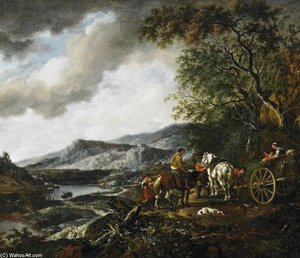
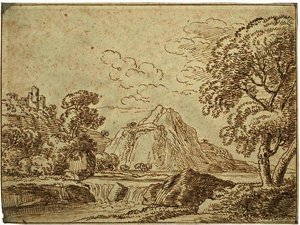
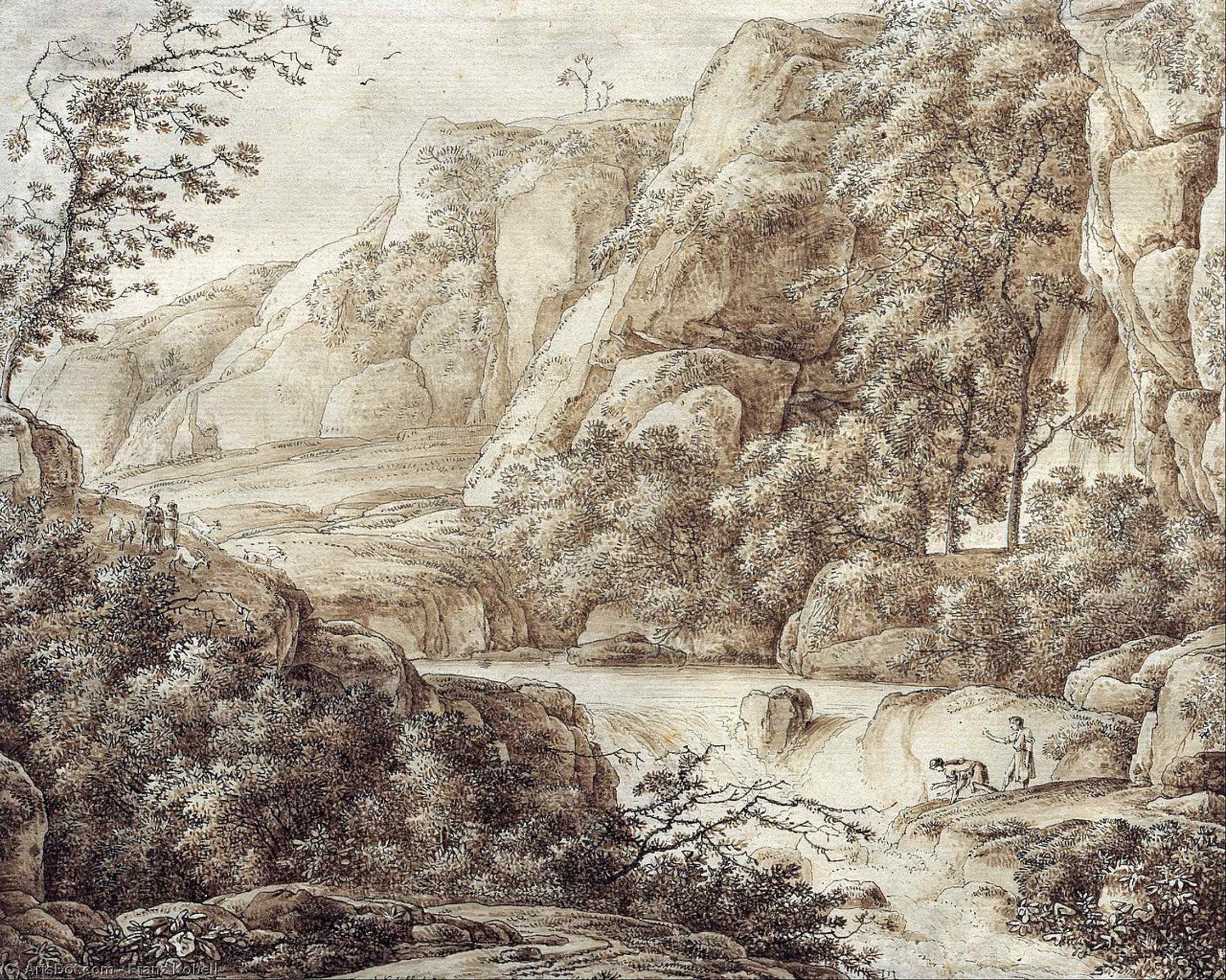
Mountainous Landscape

 Read More
Hand Made Oil Reproduction
Hand-painted oil on canvas in your size and frame, made to order by our artists. ( Buy Print Buy Image)




































Pick from our preset sizes that match the artwork's original proportions.

You may enter your own dimensions to fit a specific frame or space. If your selected size does not match the original image's proportions, we will either crop the artwork or extend the painting with additional hand-painted elements. A digital mockup will be sent for your approval before production begins.
Please note that the on-screen preview does not reflect the actual cropping or extension. Only the mockup will accurately show the final composition.
While custom sizes are available, we recommend selecting a dimension from the predefined list to preserve the original proportions.
After order, ArtsDot.com team will email client for instructions and provide a mockup preview
Worldwide Delivery () in 3/4 weeks instead of standard 5 weeks. (17 August). No compromise on quality.

Free Worldwide Express Shipping

High-Quality Linen Canvas

Full Shipping Insurance

Customs Tax Refund Guarantee

True Color Matching Guarantee

60-Day Return Policy (Defects Only)

100% Money-Back Guarantee

Bulk Discount Offer
 Glass option is only available in size under 110 CM

Mountainous Landscape
Reproduction Medium
Reproduction Size
-


Total Price
$ 313
Related Artworks
Artist Biography
The Soul of the German Landscape: The Life and Legacy of Franz Kobell
In the quiet transition between the structured elegance of the Enlightenment and the emotive depths of Romanticism, the works of Franz Kobell emerge as a profound testament to the power of observation. Born in Mannheim in 1749, Kobell was an artist whose vision bridged two eras, capturing the natural world with a precision that honored classical traditions while infusing it with a burgeoning sense of atmospheric wonder. His journey began under the tutelage of Johann Christian Ludwig Heydenreich, a mentor who instilled in him a foundational respect for artistic accuracy and a keen eye for the subtle nuances of light and shadow.
Kobell’s early aesthetic was deeply rooted in the Baroque tradition, drawing inspiration from the dramatic mastery of Rembrandt and the vigorous energy of Rubens. This period of his development was characterized by a fascination with chiaroscuro, the striking interplay between brilliance and obscurity that lends depth to a composition. However, it was his transformative journey to Italy, funded by a scholarship from the Elector Karl Theodor of Bavaria, that would forever alter his artistic trajectory. Between 1776 and 1785, wandering through the grandeur of Rome, Kobell immersed himself in the classical landscapes of Claude Lorrain and Nicolas Poussin. This exposure to Roman architecture and the timeless beauty of the Italian countryside refined his technique, moving him toward a more structured, yet deeply evocative, approach to landscape painting.
Mastery of Line and Light
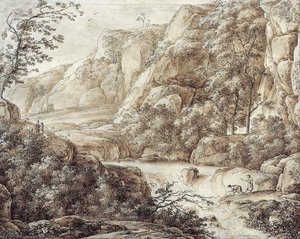
While many of his contemporaries sought fame through large-scale oil canvases, Kobell found his most enduring voice in the intimate realms of drawing, etching, and watercolor. His ability to translate the rugged textures of nature onto paper was nothing short of extraordinary. Whether working with brown ink, graphite, or delicate washes, he possessed a rare command over tonal gradation, allowing him to recreate the misty atmosphere of a mountain range or the crystalline clarity of a forest stream with unparalleled fidelity.
His technical repertoire included several notable strengths:
- Architectural Precision: A profound ability to render monumental buildings and classical ruins with structural integrity.
- Naturalistic Detail: An unwavering dedication to capturing the organic complexity of flora and geological formations.
- Atmospheric Depth: The use of light to create a sense of vast, receding space within a single composition.
Even in his rarer oil paintings, such as the celebrated "Rocky Landscape with Waterfalls," one can see the fingerprints of his drafting expertise. This particular work, once held in the Bamberg Gallery, earned high praise from the literary giant Goethe, who recognized the artist's ability to breathe life into the inanimate through masterful compositional balance.
A Courtly Legacy and Historical Significance
Upon his return to Munich, Kobell’s reputation preceded him, leading to his appointment as a painter to the Bavarian court. This prestigious position allowed him to further solidify his influence within the German art scene, serving as a bridge between the old masters of the Baroque and the rising tide of Romanticism. His life in Munich was one of dedicated service to the aesthetic standards of the era, yet his heart remained tethered to the wilder, more untamed aspects of the natural world.
The historical significance of Franz Kobell lies not merely in the beauty of his individual works, but in his role as a pioneer of Romantic landscape drawing. He taught subsequent generations how to look at nature—not just as a backdrop for human drama, but as a subject capable of profound emotional resonance. Through his meticulous etchings and sketches, he preserved a specific moment in European history, capturing the transition from the rationalism of the 18th century to the passionate, subjective explorations of the 19th. Today, his works remain vital touchstones for anyone seeking to understand the evolution of the German landscape tradition.
Franz Kobell
1749 - 1822 , Germany
Quick Facts
- Artistic Movement Or Style: Romantic Landscape
- Artists Or Movements Influenced By This Artist: ['Caspar David Friedrich']
- Artists Who Influenced This Artist: ['Johann Christian Richter']
- Date Of Birth: November 23, 1749
- Date Of Death: January 14, 1822
- Full Name: Franz Kobell
- Nationality: German
- Notable Artworks:
- Rocky Landscape with Waterfalls
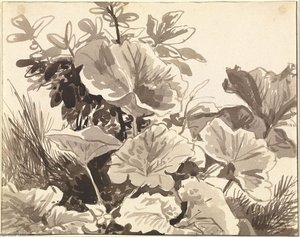
- Study Of Coltsfoot Leaves
- Place Of Birth: Mannheim, Holy Roman Empire
Related Articles

Beyond the Horizon: 10 Landscape Masterpieces for Your Home Decor
Journey through 10 breathtaking landscape paintings by Monet, Van Gogh & more! Explore iconic artworks, artistic techniques & find inspiration for your home decor. Museum-quality reproductions at ArtsDot.com. Discover all masterpieces on ArtsDot.com

Hokusai's Masterpieces: 25 Iconic Prints & Paintings for Art Lovers | ArtsDot
Journey through Katsushika Hokusai’s 25 most iconic artworks, including *The Great Wave*. Explore the ukiyo-e master's history, style & timeless Japanese woodblock prints. Find museum-quality reproductions for your home at ArtsDot.com.
German Expressionism's 10 Defining Masterpieces | Art for Your Home
Explore 10 defining German Expressionism masterpieces – from Munch's 'The Scream' to Kandinsky’s abstracts. Discover the artists, stories & bold colors behind this powerful art movement. Find museum-quality reproductions at ArtsDot.com.

Romantic Landscapes: 10 Masterpieces for Your Home | ArtsDot
Journey through 10 Romantic landscape masterpieces by Friedrich, Turner & Cole. Explore emotional art, sublime nature scenes & iconic 19th-century paintings. Find museum-quality reproductions for your home at ArtsDot.com – discover the full collection online!

Evocations of Place: A Historical Journey Through Landscape Art
Explore the rich history of landscape art with ArtsDot. Discover renowned artists, movements like Impressionism & Romanticism, and expert guidance for collecting timeless pieces. Find your perfect serene escape today!