

 Preview
 Send
Send Share
Share
 Details

 Download
 Similars
 X-Ray
X-Ray Diaporama
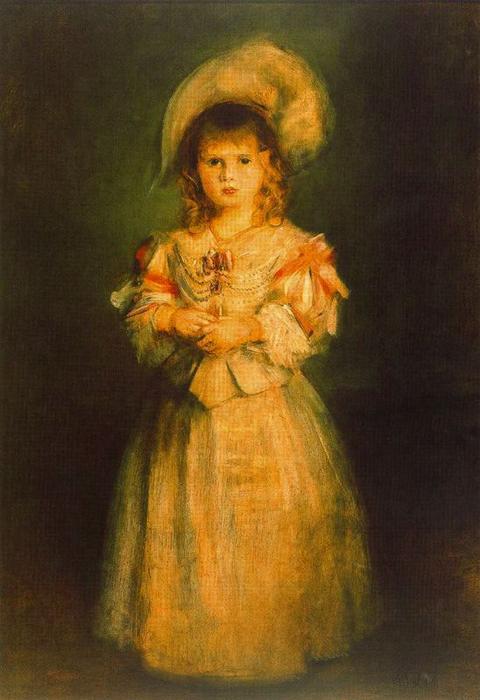
Portrait of Peggy Guggenheim

 Read More
Purchase a high-resolution, enhanced digital image, far superior to the online preview.
Each file is meticulously prepared by our in-house specialists using advanced tools and expert manual retouching. We ensure every image has exceptional clarity, precise color accuracy, and fine detail.
The final file is delivered via email within 72 hours, optimized for immediate use in professional, editorial, and print environments. This is the same quality trusted by top-tier design studios, publishers, and galleries.
Digital Image
Download a high-resolution file for personal display, printing, and creative projects. ( Buy Print Buy Hand Made Painting)
Included in Every Digital Image Order
Expert Digital Delivery, Guaranteed
When you choose ArtsDot.com, you're not just getting an image - you're receiving a professionally enhanced digital artwork, crafted with precision and backed by a satisfaction guarantee. Here's everything that comes with your order, automatically:

Fast Email Delivery
Your high-resolution digital image file will be emailed to you within 72 hours of ordering - ready for immediate use.

AI-Enhanced Digital File
Your artwork is professionally optimized using advanced AI tools and manual editing, ensuring maximum detail, clarity, and color accuracy.

Free Lifetime Re-Delivery
Accidentally deleted or lost your file? No worries - we'll resend it to you anytime, free of charge.

No Import Fees - Ever
Enjoy your artwork instantly with zero customs, duties, or delivery fees - digital downloads are always tax-free.

Color Accuracy Guarantee
We ensure your digital image reflects the original colors as closely as possible using professional tools and color management.

60-Day Satisfaction Guarantee
If you're not satisfied with your digital image, we'll revise it or refund 100% within 60 days - no questions asked.

100% Money-Back Guarantee
Not satisfied? Get a full refund within 60 days of receiving your digital file - no questions asked.

Bulk Order Discounts
Buy 3 images, save 10% - Buy 5, save 15% - Buy 10+, save 20%. Great for creative projects, galleries, and agencies.
A Glimpse into a Golden Age: Franz von Lenbach’s Portrait of Peggy Guggenheim
This captivating portrait by Franz Seraph von Lenbach offers a window into the world of early 20th-century society, depicting a young Peggy Guggenheim with remarkable sensitivity. While seemingly simple in its subject matter – a portrait of a child – the painting reveals layers of artistic skill and historical context. Von Lenbach, celebrated as the “Malerfürst” (Painter Prince) for his ability to capture the essence of prominent figures, brings his signature style to bear on this intimate portrayal. The work exemplifies a fascinating blend of Romanticism and Realism, prioritizing both accurate likeness and an evocative emotional atmosphere.Style & Technique: Venetian Richness Meets Impressionistic Flair
Von Lenbach was renowned for his mastery of what was often called “Venetian technique” – a rich application of color and a focus on luminous surfaces. This is evident in the portrait through the soft, diffused lighting that gently illuminates Guggenheim’s face and clothing. The artist employs a noticeable impasto technique, particularly in the rendering of her dress, creating a tactile quality that invites closer inspection. However, unlike strict Realism, Lenbach incorporates impressionistic elements with his blurred lines and blended tones. This creates a sense of softness and dreaminess, rather than sharp detail, contributing to the overall mood of quiet contemplation. The composition is deliberately focused; the dark, indistinct background serves to emphasize Guggenheim as the central subject, drawing the viewer’s eye directly to her expression.Historical Context & Symbolism: An American Heiress in Europe
Peggy Guggenheim herself is a significant figure in art history – a passionate collector, modern art patron, and influential gallery owner. This portrait was likely painted during a formative period of her life, as she navigated the social circles of European aristocracy. It’s important to note that Guggenheim came from an American family of considerable wealth (her father died on the Titanic), and many American heiresses sought titles and status through marriage into European nobility – a phenomenon documented in resources like lists of “American dollar princesses”. The portrait, therefore, subtly hints at this societal dynamic, portraying a young woman poised to enter a world of privilege and influence. The subdued lighting and contemplative expression might also suggest an underlying sense of melancholy or introspection, perhaps reflecting the complexities of her position.Emotional Impact & Interior Design Considerations
This portrait evokes feelings of innocence, nostalgia, and quiet beauty. Its muted color palette and soft textures create a calming atmosphere, making it a versatile addition to various interior design schemes.- In a traditional setting,
- it would complement antique furniture and rich fabrics.
- Conversely, in a modern space,
- its classic elegance could provide a striking contrast against minimalist décor.
Related Artworks

Artist Biography
A Life Immersed in Portraiture
Franz Seraph von Lenbach, a name synonymous with the grand portraiture of 19th-century Germany, was more than just a painter; he was a chronicler of an era. Born in Schrobenhausen, Bavaria, in 1836, his journey from a mason’s son to the celebrated “Malerfürst” (Painter Prince) is a testament to ambition, talent, and a keen understanding of societal currents. Initially destined for his father's trade, Lenbach harbored artistic aspirations that eventually led him away from stonework and toward the vibrant world of Munich’s art scene. His early education included stints at technical schools and an apprenticeship with sculptor Anselm Sickinger, but it was his enrollment at the Academy of Fine Arts in Munich, coupled with private lessons from Hermann Anschütz and Karl von Piloty, that truly ignited his artistic development. These formative years were marked by a dedication to mastering technique and a growing fascination with capturing the essence of human character—a pursuit that would define his entire career. Early travels to Rome, Paris, and Brussels provided invaluable exposure to diverse artistic styles and secured initial commissions, laying the groundwork for future success.Ascension Through Patronage and Recognition
Lenbach’s rise to prominence wasn't solely based on artistic merit; it was significantly bolstered by strategic patronage. A pivotal moment arrived with his appointment as a professor at the newly established Weimar Saxon Grand Ducal Art School, where he pioneered plein air painting expeditions with his students—a progressive approach for its time. However, it was the support of Baron Adolf Friedrich von Schack that proved truly transformative. This crucial relationship enabled Lenbach to return to Italy and secure a stable income, allowing him to dedicate himself fully to his art. His work began to garner significant attention, culminating in recognition at the Exposition Universelle in Paris (1867) and a gold medal at the Glaspalast in Munich (1869). He astutely cultivated a market for his paintings in Vienna, navigating both artistic challenges and personal complexities—including an unrequited affection for Maria Beccadelli di Bologna. These successes solidified his reputation as a leading portraitist, sought after by those who wished to immortalize their likenesses on canvas.Mature Style and the Shadows of Scandal
As Lenbach matured, so too did his artistic style. A journey to Egypt with Hans Makart profoundly influenced his use of color and composition, adding a new dimension to his already refined technique. His portraits became characterized by a rich Venetian aesthetic, meticulous attention to detail, and an uncanny ability to convey the personality of his subjects. While he embraced contemporary methods like photographic templates for accuracy—a common practice among portraitists of the era—his skill lay in transforming these references into compelling works of art. Increasingly, Lenbach focused on portraying women, capturing their grace and elegance with remarkable sensitivity. However, this period wasn’t without its turbulence. In 1895, a scandal erupted when it was discovered that assistants had been passing off unfinished works as his own, damaging his reputation. His personal life also experienced upheaval, marked by divorce and remarriage, adding another layer of complexity to his later years. Despite these challenges, he continued to produce notable work, even designing trading card series for the Stollwerck chocolate company, demonstrating his versatility and adaptability.Legacy and Historical Significance
Franz von Lenbach’s impact on 19th-century German art is undeniable, particularly in the realm of portraiture. His ability to capture not just a likeness but also the character and social standing of prominent figures secured his place among the leading artists of his time. While some critics have pointed to a perceived decline in quality towards the end of his career—attributed to rapid production and reliance on photographic aids—his portraits remain invaluable historical documents, offering insights into the lives and personalities of an era. His works are now held in prestigious collections across the United Kingdom and museums such as the Smithsonian American Art Museum and Sammlung Schack, ensuring that his legacy continues to inspire and captivate audiences today. Lenbach’s story is a compelling blend of artistic talent, social ambition, and personal drama—a narrative that resonates even in the 21st century, reminding us of the enduring power of portraiture to capture the essence of humanity.Exploring Lenbach's Works
- Pope Leo XIII: A masterful depiction showcasing Lenbach’s ability to convey authority and spiritual depth.
- Portrait of a Lady: Exemplifies his skill in capturing the elegance and grace of female subjects.
- Portrait Of A Lady Wearing A Black Coat With Fur Collar: Demonstrates his attention to detail and ability to create compelling compositions.
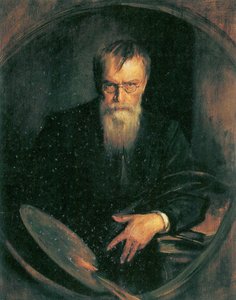
Franz Seraph von Lenbach
1836 - 1904 , Germany
Quick Facts
- Artistic Movement Or Style: Portraiture
- Artists Who Influenced This Artist: ['Karl von Piloty']
- Date Of Birth: 1836
- Date Of Death: 1904
- Full Name: Franz Seraph von Lenbach
- Nationality: German
- Notable Artworks:
- Pope Leo XIII
- Portrait of a Lady
- Place Of Birth: Schrobenhausen, Germany

