

 Preview
 Send
Send Share
Share
 Details

 Download
 Similars
 X-Ray
X-Ray Diaporama
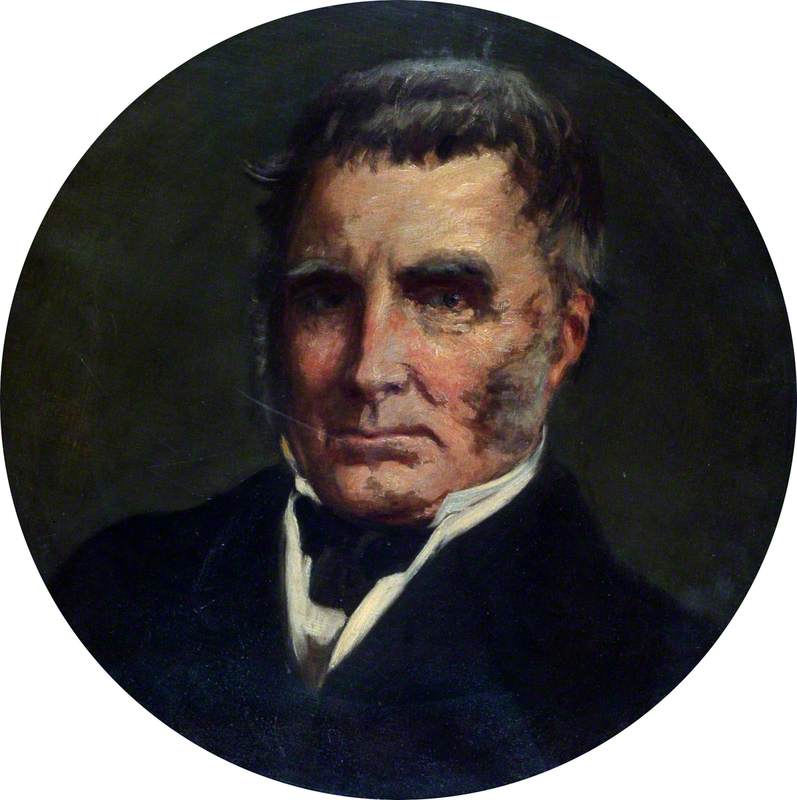
The Right Honourable Joseph Warner Henley (1793–1884)
 1871
1871 51.0 x 51.0 cm
 Read More
Purchase a high-resolution, enhanced digital image, far superior to the online preview.
Each file is meticulously prepared by our in-house specialists using advanced tools and expert manual retouching. We ensure every image has exceptional clarity, precise color accuracy, and fine detail.
The final file is delivered via email within 72 hours, optimized for immediate use in professional, editorial, and print environments. This is the same quality trusted by top-tier design studios, publishers, and galleries.
Digital Image
Download a high-resolution file for personal display, printing, and creative projects. ( Buy Print Buy Hand Made Painting)
Included in Every Digital Image Order
Expert Digital Delivery, Guaranteed
When you choose ArtsDot.com, you're not just getting an image - you're receiving a professionally enhanced digital artwork, crafted with precision and backed by a satisfaction guarantee. Here's everything that comes with your order, automatically:

Fast Email Delivery
Your high-resolution digital image file will be emailed to you within 72 hours of ordering - ready for immediate use.

AI-Enhanced Digital File
Your artwork is professionally optimized using advanced AI tools and manual editing, ensuring maximum detail, clarity, and color accuracy.

Free Lifetime Re-Delivery
Accidentally deleted or lost your file? No worries - we'll resend it to you anytime, free of charge.

No Import Fees - Ever
Enjoy your artwork instantly with zero customs, duties, or delivery fees - digital downloads are always tax-free.

Color Accuracy Guarantee
We ensure your digital image reflects the original colors as closely as possible using professional tools and color management.

60-Day Satisfaction Guarantee
If you're not satisfied with your digital image, we'll revise it or refund 100% within 60 days - no questions asked.

100% Money-Back Guarantee
Not satisfied? Get a full refund within 60 days of receiving your digital file - no questions asked.

Bulk Order Discounts
Buy 3 images, save 10% - Buy 5, save 15% - Buy 10+, save 20%. Great for creative projects, galleries, and agencies.
Related Artworks








Artist Biography
Frederick Bacon Barwell: A Portraitist of Victorian Aristocracy
Frederick Bacon Barwell, a name perhaps less familiar than some of his contemporaries, nevertheless stands as a significant figure in 19th-century British portraiture. Born in Norwich, Norfolk, in 1831, Barwell’s career unfolded during a period of immense social and artistic change, reflecting both the established traditions of aristocratic commissions and the burgeoning influences of Realism and Impressionism. His work offers a captivating glimpse into the lives and manners of the Victorian elite, characterized by meticulous detail, dramatic lighting, and an astute understanding of psychological nuance. Barwell’s legacy lies not in revolutionary innovation but rather in his ability to capture the essence of his subjects – often wealthy landowners, politicians, and members of the upper class – with a remarkable blend of elegance and observation.Early Life and Artistic Training
Barwell's early life remains somewhat shrouded in obscurity, though it’s known he received some initial artistic training in Norwich. Details about his formal education are scarce, suggesting a self-taught approach supplemented by informal instruction. He began his career as an artist and art scholar, eventually becoming a senior inspector of art schools. This role provided him with valuable insight into the evolving landscape of British art education and likely influenced his own artistic development. Crucially, Barwell’s early exposure to the Norwich School of Art, a prominent institution at the time, exposed him to a tradition of detailed observation and realistic representation – qualities that would become hallmarks of his later work. His association with Millais, a leading figure in the Pre-Raphaelite Brotherhood, further shaped his artistic sensibilities, though Barwell never fully embraced the group’s radical aesthetic.The Art of Portraiture: Technique and Subject Matter
Barwell's primary focus was portraiture, and he excelled at depicting aristocratic subjects with a remarkable degree of accuracy and psychological depth. His paintings are characterized by their meticulous attention to detail – from the textures of fabrics to the subtle expressions on his sitters’ faces. He employed a dramatic use of light and shadow, often employing chiaroscuro techniques to create a sense of volume and drama within the portraits. His compositions frequently featured circular arrangements, reminiscent of Renaissance portraiture but adapted for the Victorian era. These circular formats were particularly popular for capturing the formality and importance of his subjects. Barwell’s subjects weren't merely rendered; they were presented as embodiments of their social standing and character. He skillfully captured the gravitas of lords and ladies, conveying both their wealth and their inherent dignity. Notable works include “The Right Honourable Henry Labouchere,” a striking circular oil portrait showcasing rich detail and dramatic lighting, and his depictions of Gilbert Ainslie, demonstrating his ability to capture personality alongside formal presentation.Influences and Artistic Development
Barwell’s artistic development was shaped by several key influences. The Norwich School of Art instilled in him a commitment to realism and detailed observation. His association with Millais introduced him to the Pre-Raphaelite Brotherhood's emphasis on truth to nature, though he maintained a more restrained approach than his colleague. Furthermore, Barwell’s work reflects the broader artistic trends of the Victorian era, including the rise of historical painting and the increasing demand for portraiture as a means of documenting social status and wealth. He skillfully navigated these influences, forging a distinctive style that combined technical proficiency with an appreciation for elegance and psychological insight.Legacy and Historical Significance
Frederick Bacon Barwell’s contribution to 19th-century British art is often understated, yet his portraits offer valuable insights into the social and cultural dynamics of the Victorian era. He wasn't a revolutionary artist pushing boundaries, but rather a skilled craftsman who excelled at capturing the essence of his subjects – particularly those within the upper echelons of society. His meticulous technique, dramatic lighting, and astute psychological observation resulted in works that remain aesthetically pleasing and historically significant. While he may not be as widely celebrated as some of his contemporaries, Barwell’s portraits continue to provide a window into the lives and aspirations of Victorian aristocrats, offering a tangible connection to a bygone era. His work serves as a testament to the enduring appeal of portraiture as both an art form and a reflection of social history.
frederick bacon barwell
1831 - 1922
Quick Facts
- Artistic Movement Or Style: Portraiture
- Artists Who Influenced This Artist: ['Millais']
- Date Of Birth: 1831
- Date Of Death: 1922
- Full Name: Frederick Bacon Barwell
- Nationality: British
- Notable Artworks:
- The Right Honourable Henry Labouchere
- Gilbert Ainslie
- Place Of Birth: Norwich, England

