

 Preview
 Send
Send Share
Share
 Details

 Download
 Similars
 X-Ray
X-Ray Diaporama
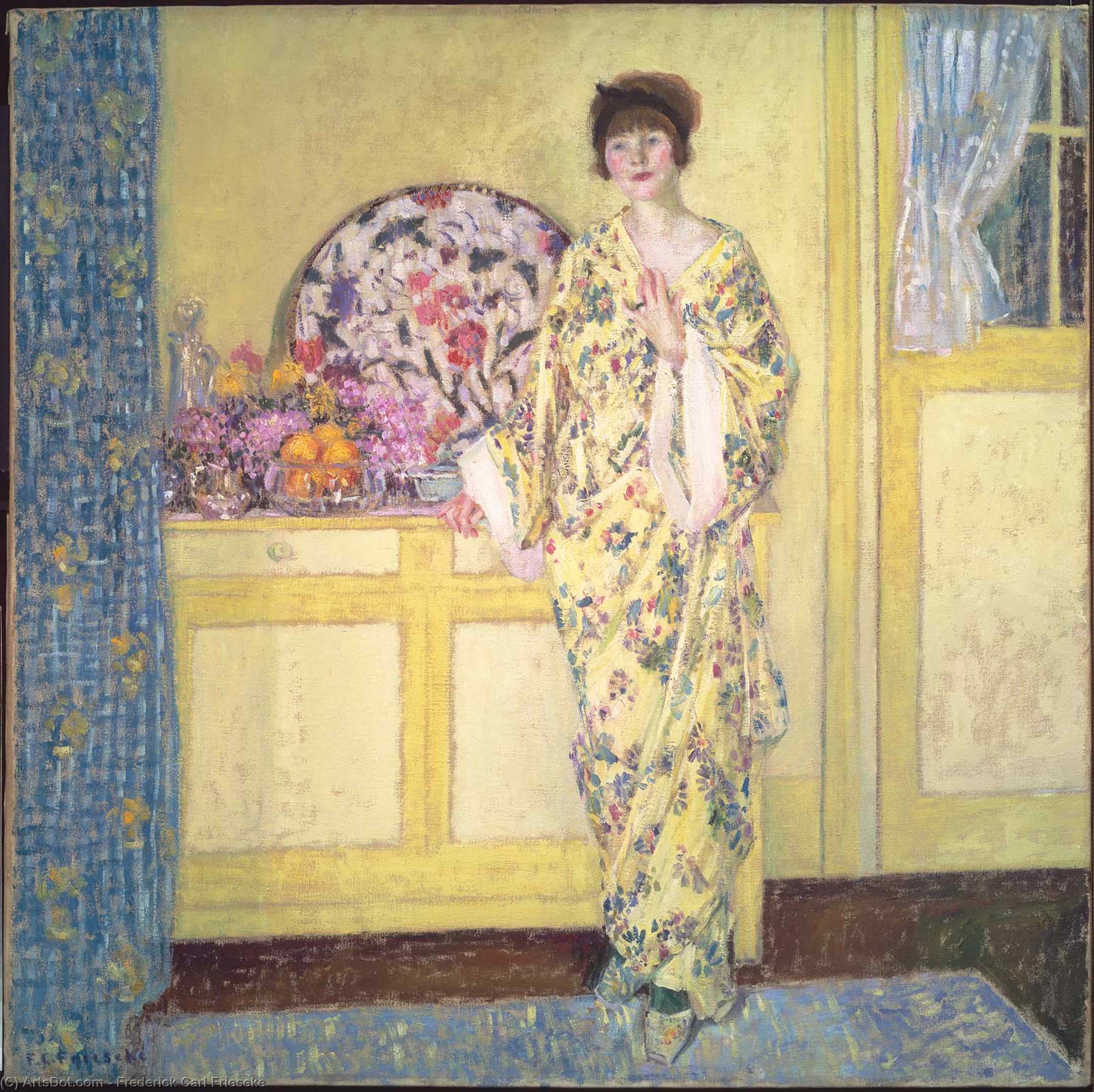
The Yellow Room


 Read More
Purchase a high-resolution, enhanced digital image, far superior to the online preview.
Each file is meticulously prepared by our in-house specialists using advanced tools and expert manual retouching. We ensure every image has exceptional clarity, precise color accuracy, and fine detail.
The final file is delivered via email within 72 hours, optimized for immediate use in professional, editorial, and print environments. This is the same quality trusted by top-tier design studios, publishers, and galleries.
Digital Image
Download a high-resolution file for personal display, printing, and creative projects. ( Buy Print Buy Hand Made Painting)
Included in Every Digital Image Order
Expert Digital Delivery, Guaranteed
When you choose ArtsDot.com, you're not just getting an image - you're receiving a professionally enhanced digital artwork, crafted with precision and backed by a satisfaction guarantee. Here's everything that comes with your order, automatically:

Fast Email Delivery
Your high-resolution digital image file will be emailed to you within 72 hours of ordering - ready for immediate use.

AI-Enhanced Digital File
Your artwork is professionally optimized using advanced AI tools and manual editing, ensuring maximum detail, clarity, and color accuracy.

Free Lifetime Re-Delivery
Accidentally deleted or lost your file? No worries - we'll resend it to you anytime, free of charge.

No Import Fees - Ever
Enjoy your artwork instantly with zero customs, duties, or delivery fees - digital downloads are always tax-free.

Color Accuracy Guarantee
We ensure your digital image reflects the original colors as closely as possible using professional tools and color management.

60-Day Satisfaction Guarantee
If you're not satisfied with your digital image, we'll revise it or refund 100% within 60 days - no questions asked.

100% Money-Back Guarantee
Not satisfied? Get a full refund within 60 days of receiving your digital file - no questions asked.

Bulk Order Discounts
Buy 3 images, save 10% - Buy 5, save 15% - Buy 10+, save 20%. Great for creative projects, galleries, and agencies.
Collectible Description
The Allure of Warmth: Exploring Frederick Carl Frieseke’s “The Yellow Room”
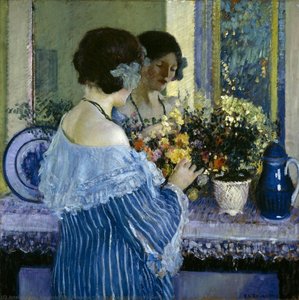
Frederick Carl Frieseke's "The Yellow Room," painted in 1913, is more than just a depiction of a sun-drenched interior; it’s an immersion into a carefully constructed mood – one of quiet contemplation and understated elegance. This oil on canvas masterpiece, currently residing within the Museum of Fine Arts in Boston, exemplifies Frieseke's mastery of Impressionism, utilizing light and color not merely to represent reality but to evoke a profound emotional response. The painting immediately draws the viewer in with its dominant hue: a rich, enveloping yellow that saturates the room, radiating warmth and inviting intimacy. This isn’t a jarring, artificial yellow; it’s the nuanced shade of sunlight filtered through sheer curtains, suggesting a tranquil afternoon.
- Subject Matter: The central figure is a woman, lost in thought, her posture relaxed yet poised. Her gaze meets the viewer's directly, creating an immediate connection and inviting us to share in her private moment.
- Setting: The room itself is a carefully orchestrated tableau of domestic comfort. Floral prints adorn the walls, while vases overflowing with fresh flowers punctuate the space – symbols of beauty, life, and perhaps, fleeting joy.
- Composition: Frieseke’s masterful use of composition guides our eye through the scene. The placement of the woman, the arrangement of the furniture, and the strategic use of light all contribute to a harmonious and balanced whole.
A Masterclass in Impressionist Technique
Frieseke's technique is central to the painting’s enduring appeal. He employs loose brushstrokes, characteristic of Impressionism, to capture the fleeting effects of light and shadow. The paint isn’t blended smoothly; instead, it retains a visible texture, lending a sense of immediacy and spontaneity to the scene. This deliberate lack of finish contributes significantly to the painting's warmth and vibrancy. Notice how he builds up layers of color – subtle shifts in yellow, pink, and green – creating an illusion of depth and volume. The artist’s focus on capturing the *impression* of light rather than a photographic representation is what truly elevates this work.
The use of broken color—applying small strokes of pure pigment side-by-side to allow the viewer's eye to blend them—is particularly evident in the rendering of the flowers and fabrics. This technique creates a shimmering effect, enhancing the sense of light and movement within the room. It’s a testament to Frieseke’s keen observation and his ability to translate that observation onto canvas.
Historical Context and Symbolism
"The Yellow Room" was created during a period of significant artistic change in America. Frieseke, influenced by the Parisian Impressionists, brought a new sensibility to American art, moving away from traditional academic styles. The yellow color itself holds symbolic weight – often associated with optimism, happiness, and enlightenment. However, the woman’s contemplative expression suggests a more complex emotional landscape, hinting at the quiet melancholy that can accompany beauty and solitude. The inclusion of flowers, always a potent symbol of femininity and grace, further reinforces this interpretation.
Owning a Piece of Art History
Handmade oil painting reproductions of “The Yellow Room” are available to bring this iconic artwork into your home or office. These meticulously crafted replicas capture the essence of Frieseke’s original vision, allowing you to experience the beauty and emotional impact of this masterpiece firsthand. Each reproduction is created using traditional techniques and high-quality materials, ensuring a faithful representation for generations to come.
Related Artworks

Artist Biography
A Life Bathed in Sunlight: The Artistic Journey of Frederick Carl Frieseke
Born in the small Michigan town of Owosso on April 7, 1874, Frederick Carl Frieseke embarked on a path that would lead him to become a pivotal figure in American Impressionism. His early life, marked by a move to Florida following his mother’s passing and nurtured by an artistically inclined aunt, instilled within him a sensitivity to light and form that would define his oeuvre. Though initially involved in his family's brick manufacturing business, Frieseke’s true calling resonated with the artistic spirit of the age. A formative visit to the 1893 World’s Columbian Exposition ignited a passion that propelled him towards formal training at the Art Institute of Chicago and, crucially, a relocation to Paris in 1898 – a decision that irrevocably shaped his artistic destiny. It was in France that Frieseke truly found his voice, immersing himself in the vibrant art scene and absorbing the influences that would blossom into his signature style.The Allure of Giverny and the Development of “Decorative Impressionism”
Paris proved to be more than just a place of study; it became Frieseke’s adopted home, a sanctuary where he could refine his technique and explore his artistic vision. Early influences included James Abbott McNeill Whistler, whose tonal harmonies left an indelible mark on Frieseke's work. However, it was the allure of Giverny – Claude Monet’s idyllic haven – that truly unlocked his potential. In 1906, Frieseke rented a house adjacent to Monet’s, becoming part of a thriving artistic community and immersing himself in the very essence of Impressionism. This proximity fostered a unique style often described as “decorative impressionism.” Unlike the more spontaneous brushwork of some Impressionists, Frieseke's paintings exhibit a refined elegance, characterized by luminous colors, dappled sunlight filtering through foliage, and an emphasis on graceful female figures. He wasn’t merely capturing a fleeting moment; he was crafting scenes of serene beauty, imbued with a sense of intimate tranquility. His work began to showcase sensual, rounded forms reminiscent of Pierre-Auguste Renoir, blended with the bolder color palettes inspired by Post-Impressionists like Paul Gauguin and Pierre Bonnard.Themes and Techniques: Capturing Light and Femininity
Frieseke’s artistic focus consistently revolved around two central themes: the captivating effects of light and the portrayal of women. He was fascinated by how sunlight transformed ordinary scenes into moments of ethereal beauty, and he masterfully captured this interplay in his paintings. His female subjects, often depicted in gardens or interiors, are not merely portraits but embodiments of grace, sensuality, and quiet contemplation. Hélène, painted in 1901, exemplifies this approach – a captivating portrait showcasing Impressionistic beauty and intimate detail. Similarly, works like The Garden at Giverny demonstrate his ability to blend Impressionist techniques with Post-Impressionist color sensibilities. Frieseke’s technique involved layering delicate brushstrokes to create a shimmering effect, evoking the sensation of sunlight dancing on skin and foliage. He often incorporated geometric elements – parasols, patterned fabrics – to provide contrast and enhance the visual harmony of his compositions. His dedication to capturing these nuances earned him recognition; Before the Glass (1904) was purchased by the French Government and displayed at the Luxembourg Gallery, a testament to his growing reputation.Recognition and Legacy: A Lasting Impression on American Art
Throughout his career, Frieseke garnered numerous accolades, including silver medals at the St. Louis Exposition in 1904, the Temple Gold Medal from the Pennsylvania Academy of Fine Arts in 1913, and the Grand Prize at the Panama-Pacific International Exposition in 1915. His painting Torn Lingerie (1920) achieved particular acclaim, winning two gold medals and the popular prize at the Chicago Art Institute. Despite his success, Frieseke remained a committed expatriate, preferring the artistic freedom he found in France. He passed away on August 24, 1939, leaving behind a legacy of luminous paintings that continue to captivate audiences today. His contribution to American Impressionism is significant not only for his technical skill but also for his ability to create scenes of enduring beauty and tranquility. Frieseke’s work serves as a reminder of the power of art to transport us to idyllic realms, bathed in sunlight and filled with grace.Notable Works
- Portrait of a Girl (also known as Pensive Model): A stunning blend of realism and beauty capturing quiet contemplation.
- Hélène: Showcasing Impressionistic beauty and intimate detail, painted in 1901.
- Self-Portrait: Reveals the artist’s contemplative nature amidst his studio, showcasing masterful technique.
- The Garden at Giverny: A prime example of his blend of Impressionist and Post-Impressionist styles.
- Woman in a Garden: A quintessential representation of his decorative impressionism.
- Before the Glass (1904): Purchased by the French Government, displayed at the Luxembourg Gallery.
- Torn Lingerie (1920): Awarded two gold medals and the popular prize at the Chicago Art Institute.
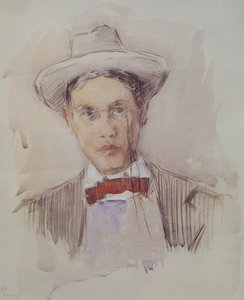
Frederick Carl Frieseke
1874 - 1939 , United States of America
Quick Facts
- Artistic Movement Or Style: American Impressionism
- Artists Or Movements Influenced By This Artist: American Impressionism
- Artists Who Influenced This Artist:
- Renoir
- Whistler
- Gauguin
- Bonnard
- Date Of Birth: April 7, 1874
- Date Of Death: August 24, 1939
- Full Name: Frederick Carl Frieseke
- Nationality: American
- Notable Artworks:
- The Garden at Giverny
- Woman in a Garden
- Before the Glass
- Torn Lingerie
- Hélène
- Self-Portrait
- Place Of Birth: Owosso, USA

