 Preview
 Send
Send Share
Share
 Details

 Download
 Similars
 X-Ray
X-Ray Diaporama
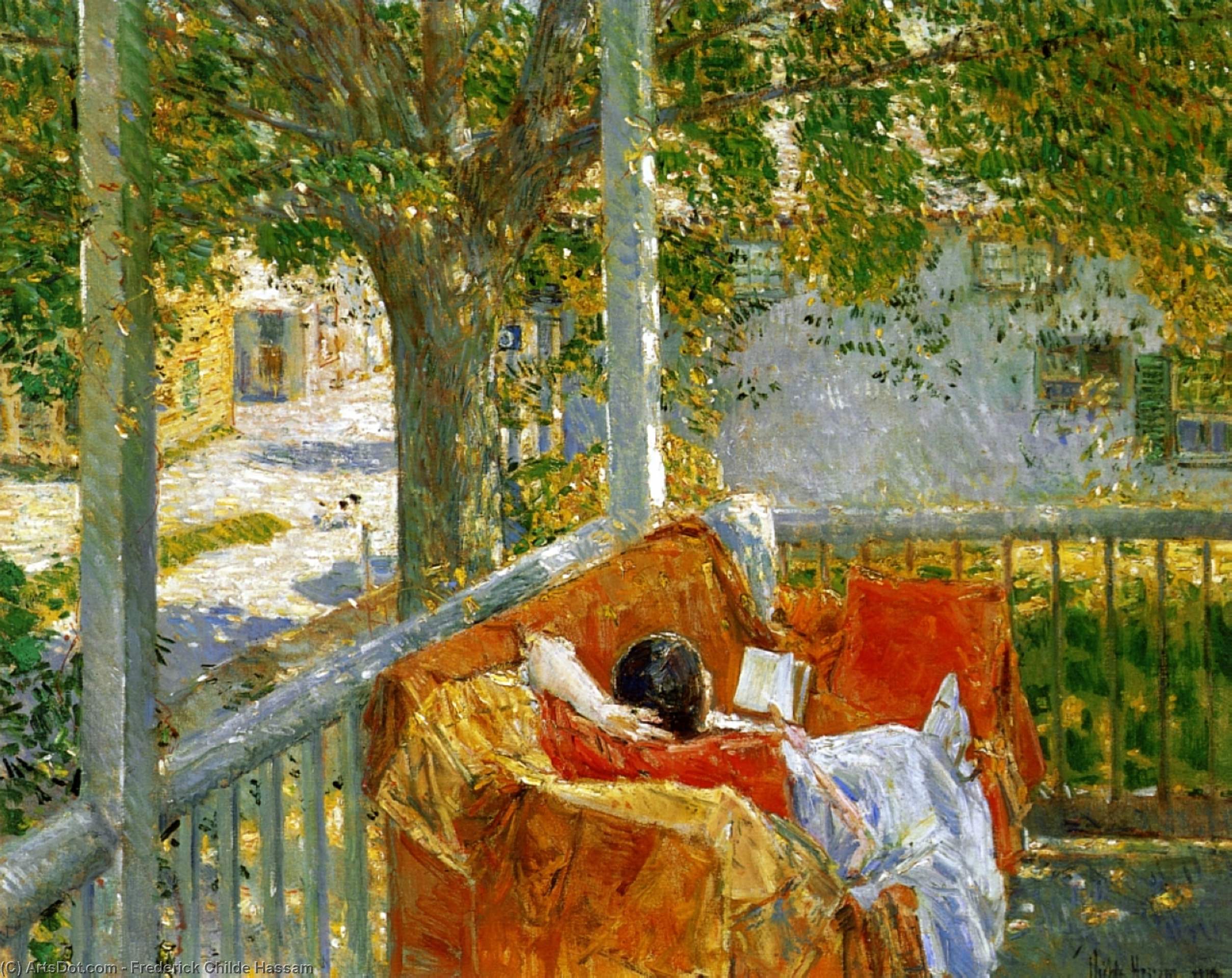
Couch on the Porch, Cos Cob


 Read More
Hand Made Oil Reproduction
Hand-painted oil on canvas in your size and frame, made to order by our artists. ( Buy Print Buy Image)




P118B $10

P118H $10

P118W $10

P438Z $10

P508JH $12

P508YH $12

P805H $10

P805Z $10

P919BZ $10

P919G $10

P919XJ $10

P959ZH $10

P968JZ $12

W106C $8

W218G $10

W218JH $8

W218Y $10

W307PJ $10

W316G $10

W316PJ $8

W316Y $10

W398PJ $8

W4111J $10

W500HY $15

W500JH $15

W692G $12

W849H $8

W940BG $15

W953PJ $8




Pick from our preset sizes that match the artwork's original proportions.

You may enter your own dimensions to fit a specific frame or space. If your selected size does not match the original image's proportions, we will either crop the artwork or extend the painting with additional hand-painted elements. A digital mockup will be sent for your approval before production begins.
Please note that the on-screen preview does not reflect the actual cropping or extension. Only the mockup will accurately show the final composition.
While custom sizes are available, we recommend selecting a dimension from the predefined list to preserve the original proportions.
After order, ArtsDot.com team will email client for instructions and provide a mockup preview
Worldwide Delivery () in 3/4 weeks instead of standard 5 weeks. (17 August). No compromise on quality.

Free Worldwide Express Shipping

High-Quality Linen Canvas

Full Shipping Insurance

Customs Tax Refund Guarantee

True Color Matching Guarantee

60-Day Return Policy (Defects Only)

100% Money-Back Guarantee

Bulk Discount Offer
 Glass option is only available in size under 110 CM

Couch on the Porch, Cos Cob
Reproduction Medium
Reproduction Size
-


Total Price
$ 263
Artwork Description
Frederick Childe Hassam’s ‘Couch on the Porch, Cos Cob’: A Study in Tranquil American Impressionism
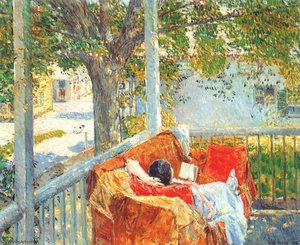
Frederick Childe Hassam's “Couch on the Porch, Cos Cob,” painted in 1914, is more than just a depiction of a woman reading outdoors; it’s a carefully constructed evocation of a specific moment in American artistic history – the flourishing of Impressionism within the United States. Created during a period of significant social and cultural change, Hassam's work reflects a desire to capture the beauty of everyday life and the evolving spirit of the nation. The painting exemplifies his mastery of light and color, employing loose brushstrokes and vibrant hues to create an atmosphere of serene contemplation. The scene’s quiet intimacy invites viewers into a private world, offering a respite from the bustle of urban existence.
Subject and Composition
At its core, “Couch on the Porch, Cos Cob” presents a simple yet profoundly evocative tableau. A woman is seated comfortably on a porch couch, engrossed in a book – an image instantly relatable across generations. The composition skillfully utilizes natural elements: a nearby tree provides dappled shade, suggesting warmth and relaxation; a chair sits invitingly beside the couch, hinting at companionship or simply offering an alternative vantage point. The inclusion of other figures, subtly placed within the scene, adds to the sense of a lived-in space, reinforcing the painting’s theme of domestic tranquility and quiet enjoyment.
Technique and Style – The Impressionist Touch
- Color Palette: Hassam's masterful use of color is central to the work’s impact. He employs a palette dominated by warm yellows, greens, and blues, reflecting the natural light filtering through the foliage and creating a luminous effect.
- Brushwork: The painting is characterized by loose, visible brushstrokes – a hallmark of Impressionism. These strokes aren't meant to create precise details but rather to capture the fleeting effects of light and atmosphere.
- Light and Shadow: Hassam expertly manipulates light and shadow to model forms and create depth, contributing significantly to the painting’s sense of realism despite its impressionistic style.
Historical Context and Symbolism
"Couch on the Porch, Cos Cob" was created during a period when American artists were increasingly turning away from traditional academic styles and embracing new approaches inspired by European Impressionists like Monet and Renoir. Hassam’s work reflects this shift, celebrating the beauty of the American landscape and domestic life with an unprecedented level of sensitivity. The painting can be interpreted as a commentary on the changing role of women in society – a woman finding solace and intellectual stimulation within her home. The porch itself represents a transitional space, connecting the interior world of the house with the expansive outdoors, symbolizing both privacy and connection to nature.
Owning a Piece of Art History
ArtsDot offers meticulously crafted, hand-painted reproductions of “Couch on the Porch, Cos Cob,” allowing art lovers to experience the beauty and tranquility of Hassam’s masterpiece firsthand. Each reproduction is created using traditional oil painting techniques, ensuring exceptional detail and color accuracy. Whether for a personal collection or interior design project, this artwork offers a timeless connection to American Impressionism and a celebration of quiet moments.
Related Artworks
Artist Biography
A Pioneer of American Impressionism: The Life and Art of Frederick Childe Hassam
Born in Boston on October 17, 1859, Frederick Childe Hassam emerged as a pivotal figure in the blossoming of American Impressionism. His journey from a childhood inclination towards art to becoming one of the nation’s most celebrated painters is a testament to his dedication and unique vision. Unlike many of his contemporaries who sought extensive formal training in Europe, Hassam largely developed his skills through self-study and practical application, initially working as an illustrator for magazines like *Harper's Weekly* and *Scribner’s Monthly*. This early experience honed his observational skills and instilled a sense of narrative within his compositions—qualities that would remain hallmarks of his style. Though he did eventually travel to Europe in 1886, studying briefly in Paris, it was the American landscape and urban life that truly captured his artistic imagination. He wasn’t simply replicating European techniques; he was adapting them to depict a distinctly *American* experience.Capturing Light and Modern Life
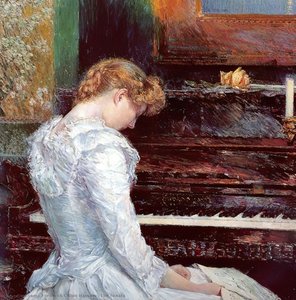
Hassam's art is immediately recognizable for its luminous quality, achieved through a masterful manipulation of light and color. Influenced by Claude Monet and Edgar Degas, he embraced the Impressionist principles of capturing fleeting moments and atmospheric effects. However, Hassam wasn’t merely an imitator; he infused his work with a uniquely American sensibility. He found beauty not only in idyllic landscapes but also in the bustling energy of modern cities like New York and Boston. His paintings often depict scenes of urban life – fashionable ladies strolling along Fifth Avenue, horse-drawn carriages navigating crowded streets, or quiet moments within domestic interiors. These weren’t just depictions of places; they were portraits of a rapidly changing society, capturing the vibrancy and dynamism of late 19th and early 20th century America. Works like *The Sonata* (1893) exemplify his ability to evoke mood and atmosphere through subtle color harmonies and delicate brushwork, creating an intimate and contemplative experience for the viewer. His coastal scenes, such as *Gloucester* (1899), demonstrate a similar sensitivity to light and atmosphere, transforming ordinary harbors into shimmering visions of tranquility.The Ten American Painters and Artistic Independence
A significant chapter in Hassam’s career was his involvement with “The Ten American Painters,” a group formed in 1897 as a protest against the conservative policies of the Society of American Artists. This collective, which included artists like John Henry Twachtman, Willard Leroy Metcalf, and Edmund Tarbell, aimed to exhibit independently and promote a more progressive approach to art. Hassam served as the first president of The Ten, solidifying his role as a leader within the American art world. This period marked a commitment to artistic independence and a rejection of academic constraints, allowing him and his colleagues to explore their individual styles without compromise. His participation in these independent exhibitions helped to establish Impressionism as a legitimate and respected movement within the United States.Patriotism and Later Years: The Flag Paintings
With the outbreak of World War I, Hassam’s artistic focus shifted dramatically. Inspired by a surge of patriotic fervor, he embarked on a series of paintings depicting American flags waving along Fifth Avenue in New York City. These “Flag” paintings, created between 1916 and 1919, are perhaps his most iconic works. They aren't simply representations of national symbols; they are powerful expressions of civic pride and wartime solidarity. The vibrant colors and dynamic compositions convey a sense of energy and optimism amidst the turmoil of global conflict. *Victory Day, May 1919* is a prime example, capturing the jubilant atmosphere of New York City following the armistice. In his later years, Hassam continued to paint, experimenting with etching and lithography alongside his oil paintings. He remained committed to Impressionist principles throughout his career, constantly refining his technique and exploring new ways to capture the beauty of the world around him.Legacy and Enduring Influence
Frederick Childe Hassam passed away in East Hampton, New York, on August 27, 1935, leaving behind a vast and influential body of work. His legacy extends far beyond his technical mastery; he played a crucial role in establishing American Impressionism as a distinct artistic movement. He demonstrated that American artists could not only embrace European techniques but also adapt them to create something uniquely their own. His paintings continue to resonate with audiences today, offering glimpses into a bygone era and reminding us of the enduring power of art to capture the spirit of a time and place. Hassam’s influence can be seen in the work of countless artists who followed him, solidifying his position as one of the most important figures in American art history. His dedication to capturing light, color, and the essence of modern life ensures that his paintings will continue to inspire and captivate generations to come.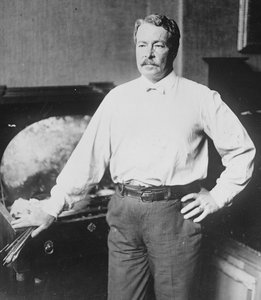
Frederick Childe Hassam
1859 - 1935 , United States of America
Quick Facts
- Artistic Movement Or Style: Impressionism, Tonalism
- Artists Or Movements Influenced By This Artist: ['American Impressionism']
- Artists Who Influenced This Artist: ['Claude Monet']
- Date Of Birth: October 17, 1859
- Date Of Death: August 27, 1935
- Full Name: Frederick Childe Hassam
- Nationality: American
- Notable Artworks:
- Maids in the Mist
- Mt. Beacon at Newburgh
- The Jewel Box
- Gloucester
- The Sonata
- Victory Day, May 1919
- Place Of Birth: Boston, USA
Related Articles
Giclée Prints: Archival Quality & Aesthetic Nuances for the Discerning Collector
Explore the world of giclée prints with ArtsDot. Learn about archival quality, aesthetic nuances & investment potential. Expert guidance for discerning art collectors seeking museum-quality reproductions and lasting value.

Echoes of Time: Exploring the Enduring Appeal & Historical Context of Vintage Art Prints
Explore the captivating world of vintage art prints! Discover their history, collecting tips & enduring appeal. Expert insights on chromolithography and building a legacy collection with ArtsDot.
Transforming Spaces: A Comprehensive Exploration of Wall Decor Through Art History & Contemporary Practice
Explore the art of transforming spaces with our comprehensive guide to wall decor. From historical movements to contemporary trends, discover how to curate impactful interiors and commission bespoke artwork for a truly personalized aesthetic.

Impressionist Landscapes: 10 Masterpieces for Your Home | ArtsDot
Journey through 10 iconic Impressionist landscapes by Monet, Renoir & Degas. Explore the history, techniques & emotions behind these masterpieces. Find museum-quality reproductions for your home at ArtsDot.com – where art comes to life! Discover all masterpieces on ArtsDot.com

Impressionistic Landscapes: 10 Masterpieces That Changed Art & Decor
Journey into the heart of Impressionism! Explore 10 masterpieces by Monet, Renoir & Degas that revolutionized landscape art. Discover their stories, techniques & find museum-quality reproductions to elevate your home decor on ArtsDot.com.