 Preview
 Send
Send Share
Share
 Details

 Download
 Similars
 X-Ray
X-Ray Diaporama
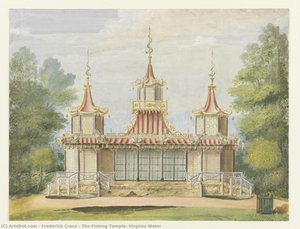
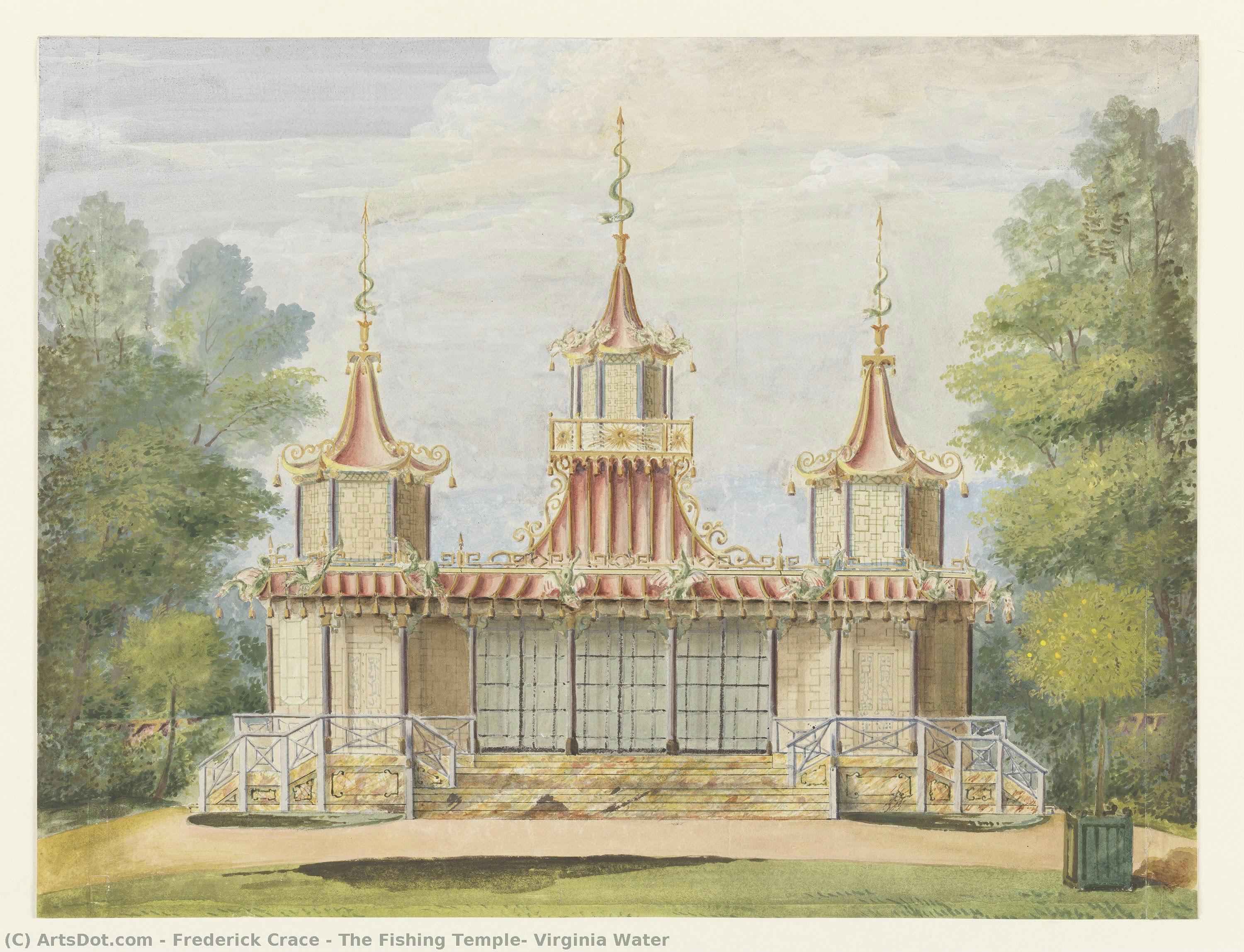
The Fishing Temple, Virginia Water
 1825
1825 421.0 x 321.0 cm
 Read More
Giclée / Art Print
Museum-quality giclée or canvas print with fast production and flexible finish options. ( Buy Hand Made Painting Buy Image)




































Pick from our preset sizes that match the artwork's original proportions.

You may enter your own dimensions to fit a specific frame or space. If your selected size does not match the original image's proportions, we will either crop the artwork or extend the image with a mirrored or solid-fill edge. A digital mockup will be sent for your approval before production begins.
Please note that the on-screen preview does not reflect the actual cropping or extension. Only the mockup will accurately show the final composition.
While custom sizes are available, we recommend selecting a dimension from the predefined list to preserve the original proportions.
Worldwide Delivery () in 2 weeks instead of standard 4/5 weeks. (28 August)

Free Worldwide Express Shipping

High-Quality Linen Canvas

Full Shipping Insurance

Customs Tax Refund Guarantee

True Color Matching Guarantee

60-Day Return Policy (Defects Only)

100% Money-Back Guarantee

Bulk Discount Offer
 Glass option is only available in size under 110 CM

The Fishing Temple, Virginia Water
Giclée / Art Print
Reproduction Size
-


Total Price
$ 63
Related Artworks









Artist Biography
John Hamilton Mortimer: A Romantic Vision of Britain and Italy
John Hamilton Mortimer, a figure both intriguing and somewhat elusive in the annals of 18th-century British art, was a painter whose work captured the spirit of his time – a blend of classical influence, burgeoning romanticism, and a fascination with dramatic landscapes and human interaction. Born in Eastbourne in 1740, Mortimer’s life spanned a pivotal period of artistic transition, witnessing the shift from the formality of the Royal Academy to a more expressive and individualistic approach. His career, tragically cut short at the age of 38 by illness, nevertheless left behind a body of work that continues to resonate with its evocative atmosphere and subtle psychological insights. Mortimer’s early training was rooted in the traditional methods of the time. He began his studies at Duke of Richmond's Academy in London, an institution known for its rigorous instruction and emphasis on classical subjects. There, he encountered fellow students like Joseph Wright of Derby and Samuel Ireland, forging connections that would shape his artistic development. His early works demonstrated a clear debt to artists such as Salvator Rosa, particularly in their depiction of dramatic scenes and the portrayal of figures engaged in action – a stylistic choice that would become a hallmark of his oeuvre. He also benefited from instruction under masters like Giovanni Battista Cipriani, Robert Edge Pine, and Sir Joshua Reynolds, absorbing elements of their techniques and philosophies while developing his own distinct voice. The influence of Thomas Hudson, a prominent portraitist of the era, is particularly evident in Mortimer’s later work, especially his depictions of fashionable society.A Palette of Dramatic Landscapes and Conversational Scenes
Mortimer's artistic output can be broadly categorized into two main areas: landscapes steeped in Italian romanticism and scenes depicting conversations and social interactions within a British setting. His Italian paintings, often characterized by dramatic lighting, atmospheric perspective, and the inclusion of classical ruins or monuments, were deeply influenced by his travels to Italy. These works weren’t merely scenic representations; they aimed to evoke a sense of awe and contemplation, reflecting the ideals of the Romantic movement which emphasized emotion and imagination over strict rationalism. He frequently depicted scenes of shepherds, travelers, and solitary figures against breathtaking mountain backdrops – images that spoke to themes of solitude, beauty, and the sublime. However, Mortimer’s most celebrated works are arguably those depicting conversations and social gatherings. He possessed a remarkable ability to capture the nuances of human interaction, portraying individuals engaged in dialogue, debate, or simply enjoying each other's company. These scenes were often set against picturesque landscapes, creating a harmonious blend of natural beauty and human drama. Notably, he worked closely with Thomas Jones, contributing figures to several of the artist’s most ambitious projects, including *A Land Storm*, demonstrating his skill in capturing character and emotion within a group setting.The Influence of Samuel Ireland and the Rise of a Distinct Style
Mortimer's artistic journey was inextricably linked with that of Samuel Ireland, another painter who struggled for recognition during his lifetime. Ireland’s association with Mortimer involved both professional collaboration and personal friendship. Mortimer assisted Ireland in etching his works, providing him with technical expertise and access to his own paintings. This relationship is fascinating because it reveals a shared ambition to break free from the constraints of academic art and pursue a more expressive style. In the 1770s, Mortimer’s work began to shift towards a more masculine and sometimes even theatrical portrayal of male figures – a departure from the earlier, more effete depictions that had characterized his early career. This stylistic evolution is often linked to the influence of Salvator Rosa, whose dramatic compositions and emphasis on action resonated with Mortimer's artistic sensibilities. His painting *Sir* (a work now lost) exemplifies this shift, showcasing a bold and assertive depiction of a gentleman in a challenging situation.A Short but Significant Career: President of the Society of Artists
Despite his untimely death in 1779, Mortimer achieved a degree of recognition during his lifetime. He became president of the Society of Artists of Great Britain in 1774, a testament to his standing within the artistic community. This position afforded him influence and prestige, allowing him to shape the direction of British art at a crucial juncture. His presidency coincided with a period of experimentation and innovation, as artists sought to move beyond the rigid conventions of the Royal Academy and embrace new approaches to subject matter and technique. Mortimer’s brief tenure as president underscores his importance in this evolving artistic landscape.Legacy and Historical Significance
John Hamilton Mortimer's legacy is one of quiet distinction. While he may not be as widely celebrated as some of his contemporaries, his work possesses a unique charm and emotional depth that continues to captivate viewers today. His landscapes evoke the spirit of Romanticism, while his scenes of human interaction offer subtle insights into the complexities of social relationships. His association with Samuel Ireland and his stylistic evolution reflect the broader trends of 18th-century British art – a period marked by experimentation, innovation, and a growing desire to capture the beauty and drama of the world around us. Mortimer’s paintings serve as a valuable window into this fascinating era, offering a glimpse into the artistic sensibilities of a talented and often overlooked artist.
frederick crace
1779 - 1859 , United Kingdom
Quick Facts
- Artistic Movement Or Style: Romanticism, Landscape
- Artists Or Movements Influenced By This Artist:
- Joseph Wright
- Samuel Ireland
- Artists Who Influenced This Artist:
- Salvator Rosa
- Giovanni Battista Cipriani
- Robert Edge Pine
- Sir Joshua Reynolds
- Date Of Birth: 17 September 1740
- Date Of Death: 4 February 1779
- Full Name: John Hamilton Mortimer
- Nationality: British
- Notable Artworks:
- St Paul Preaching
- Banditti
- Conversation Pieces
- Place Of Birth: Eastbourne, England