 Preview
 Send
Send Share
Share
 Details

 Download
 Similars
 X-Ray
X-Ray Diaporama
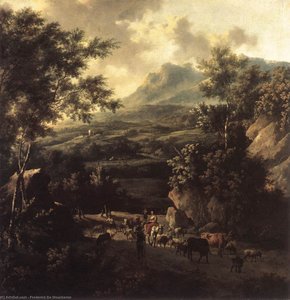
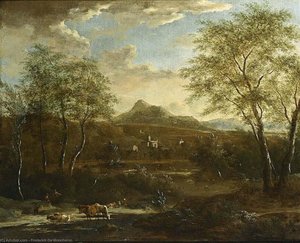
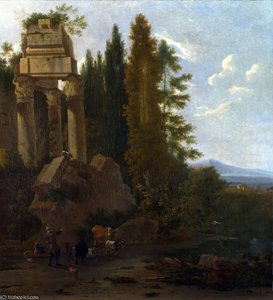
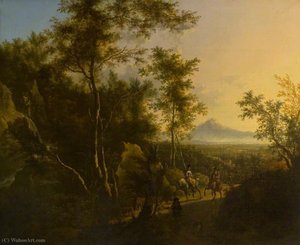
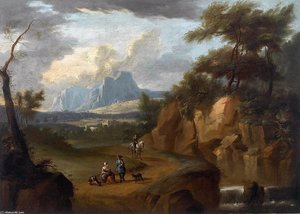
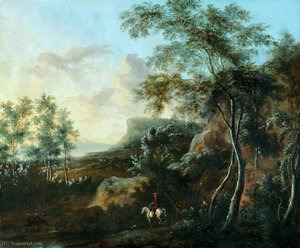
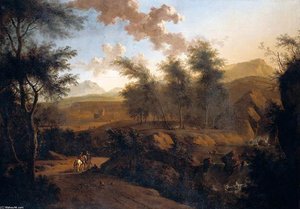
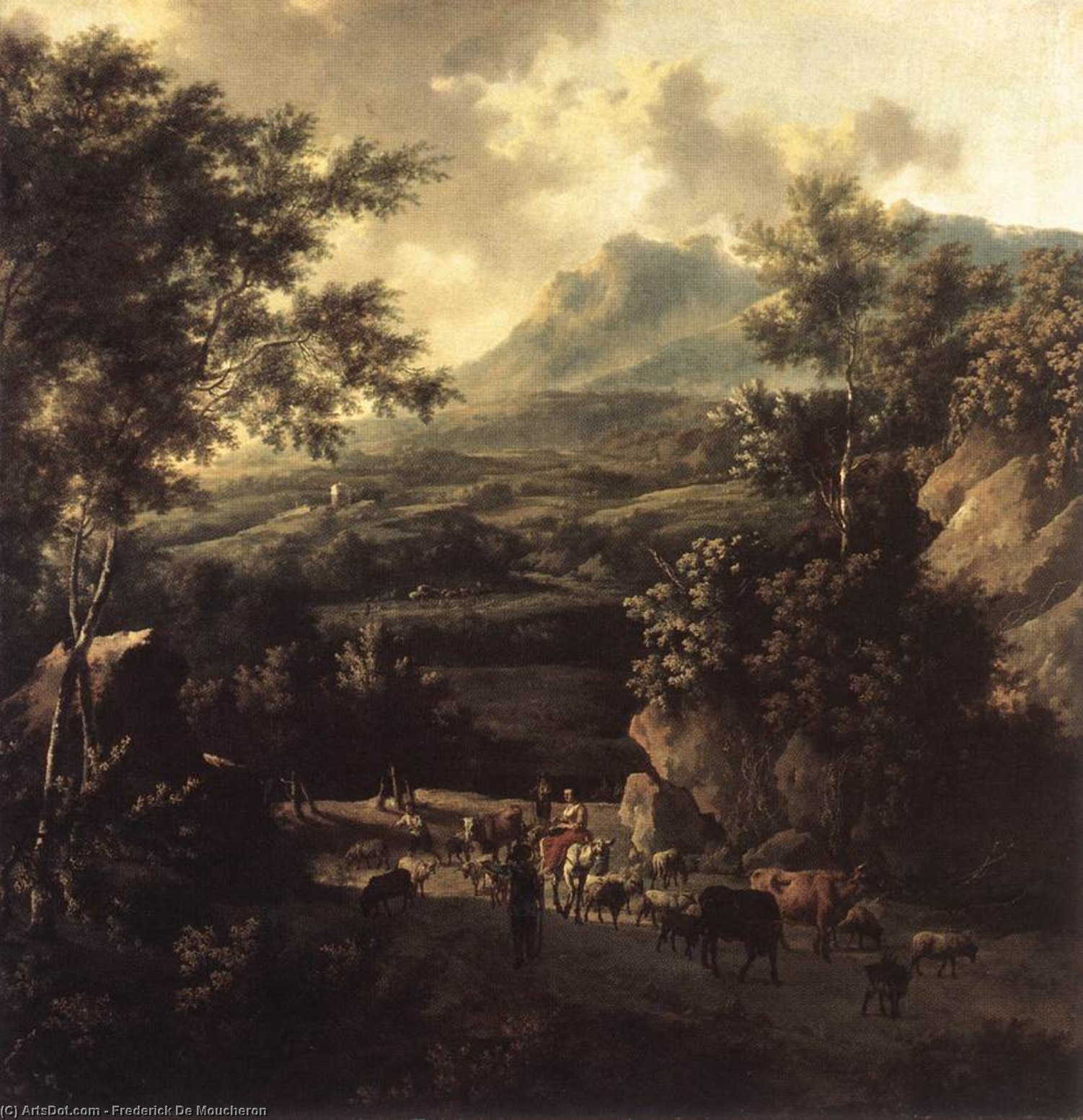
Mountain Scene with Herd of Cattle
 Acrylic On Canvas
- WallArt
- Dutch Golden Age
 90.0 x 87.0 cm
 Wallraf-Richartz-Museum
 Read More
Hand Made Oil Reproduction
Hand-painted oil on canvas in your size and frame, made to order by our artists. ( Buy Print Buy Image)




P118B $10

P118H $10

P118W $10

P438Z $10

P508JH $12

P508YH $12

P805H $10

P805Z $10

P919BZ $10

P919G $10

P919XJ $10

P959ZH $10

P968JZ $12

W106C $8

W218G $10

W218JH $8

W218Y $10

W307PJ $10

W316G $10

W316PJ $8

W316Y $10

W398PJ $8

W4111J $10

W500HY $15

W500JH $15

W692G $12

W849H $8

W940BG $15

W953PJ $8




Pick from our preset sizes that match the artwork's original proportions.

You may enter your own dimensions to fit a specific frame or space. If your selected size does not match the original image's proportions, we will either crop the artwork or extend the painting with additional hand-painted elements. A digital mockup will be sent for your approval before production begins.
Please note that the on-screen preview does not reflect the actual cropping or extension. Only the mockup will accurately show the final composition.
While custom sizes are available, we recommend selecting a dimension from the predefined list to preserve the original proportions.
After order, ArtsDot.com team will email client for instructions and provide a mockup preview
Worldwide Delivery () in 3/4 weeks instead of standard 5 weeks. (16 August). No compromise on quality.

Free Worldwide Express Shipping

High-Quality Linen Canvas

Full Shipping Insurance

Customs Tax Refund Guarantee

True Color Matching Guarantee

60-Day Return Policy (Defects Only)

100% Money-Back Guarantee

Bulk Discount Offer
 Glass option is only available in size under 110 CM

Mountain Scene with Herd of Cattle
Reproduction Medium
Reproduction Size
-


Total Price
$ 263
Artwork Description
A Tranquil Pastoral: Frederick de Moucheron’s Mountain Scene
Frederick de Moucheron's "Mountain Scene with Herd of Cattle" isn’t merely a depiction of a rural landscape; it’s a carefully constructed meditation on the harmony between humanity and nature, a quintessential example of the Dutch Golden Age’s fascination with idealized beauty. Painted around 1670, this work transports us to a serene vista – a modest mountain range receding into a hazy distance, bisected by a winding road where a small herd of cattle patiently makes its way towards an unseen destination. The scene unfolds with a deliberate calmness, reflecting the prevailing mood of the era and de Moucheron’s commitment to capturing a sense of quiet contemplation.
De Moucheron, born in 1633 and passing away in 1686, was deeply influenced by the artistic currents flowing through Amsterdam at the time. He benefited from the tutelage of Jan Asselijn, absorbing techniques that emphasized clarity, balanced composition, and a subtle use of light and shadow – hallmarks of Dutch landscape painting. However, unlike some of his contemporaries who favored dramatic, tempestuous scenes, de Moucheron opted for a more restrained approach, prioritizing an atmosphere of tranquility and understated elegance. This piece showcases his ability to evoke a feeling of peacefulness through meticulous detail and a masterful understanding of atmospheric perspective.
The Language of Light and Color
Technically, the painting is executed in oil on canvas, utilizing a technique known as *alla prima*, meaning “at first sight.” This approach allowed de Moucheron to work rapidly, capturing the immediacy of his observations and imbuing the scene with a sense of spontaneity. The color palette is remarkably restrained – predominantly muted blues, greens, and browns—reflecting the natural tones of the landscape. Notice how he employs subtle gradations of light to create depth, guiding the viewer’s eye through the composition from the foreground cattle towards the distant mountains. The use of atmospheric perspective, where colors become paler and details soften with distance, is particularly effective in conveying the vastness of the scene.
- Foreground Detail: The artist meticulously renders the individual cows, their coats subtly textured and shaded to convey a sense of realism while maintaining an overall harmonious effect.
- Midground Composition: The winding road and the figures of the cattle create a dynamic yet balanced composition, drawing the viewer into the heart of the scene.
- Background Atmosphere: The hazy mountains in the distance are rendered with delicate washes of color, suggesting an infinite expanse and reinforcing the painting’s sense of serenity.
Symbolism and the Dutch Golden Age
Beyond its aesthetic qualities, “Mountain Scene with Herd of Cattle” carries symbolic weight rooted in the cultural values of the Dutch Golden Age. The scene represents a connection to the land – a celebration of rural life and the importance of agriculture, which was central to the prosperity of the Netherlands. The cattle themselves symbolize diligence, hard work, and the bounty of nature. Furthermore, the painting reflects the broader philosophical currents of the era, emphasizing moderation, restraint, and an appreciation for the simple pleasures of life. The scene is not overtly dramatic or heroic; instead, it offers a quiet invitation to contemplate the beauty and stability of the natural world.
A Timeless Vision: Reproduction Possibilities
Reproductions of “Mountain Scene with Herd of Cattle” offer a remarkable opportunity to bring this serene landscape into your home or office. ArtsDot’s hand-painted reproductions meticulously recreate de Moucheron's original techniques, capturing the subtle nuances of light, color, and texture. Each reproduction is created using archival quality materials, ensuring that it will retain its beauty and vibrancy for generations to come. Whether you are an art collector, a design enthusiast, or simply someone seeking a touch of tranquility in your surroundings, this painting offers a timeless vision of pastoral beauty.
Related Artworks
![Vida De Miguel De Cervantes Saavedra (life Of Miguel De Cervantes Saavedra). Book V Of The Edition Of Don Quixote (biblioteca Nacional De España)\n\n[7] — Martín Fernández De Navarrete Y Ximénez De Tejada, Academic Art](/media/artworks/images/thumbnails/99/f9/99f969c294754562907a5ffd062310fa.jpg)
Artist Biography
Frederick de Moucheron: A Tranquil Vision of the Dutch Golden Age
Frederick de Moucheron (1633–1686) stands as a testament to the serene beauty championed by the Dutch Golden Age, an era defined by masterful landscape painters who sought to capture idealized visions of nature. Born into a family steeped in mercantile tradition – his father, Balthazar de Moucheron, was a prominent wine trader – Frederick’s artistic lineage foreshadowed his own dedication to portraying landscapes imbued with calm contemplation and classical elegance. He benefited from the tutelage of Jan Asselijn, absorbing techniques that would shape his distinctive style. At just 22 years old, he embarked on a transformative journey to Paris, spending three formative years immersed in the vibrant artistic milieu of the French capital. This exposure broadened his horizons beyond the confines of Amsterdam and fueled subsequent explorations of Antwerp, Lyon, and ultimately, establishing himself permanently in Amsterdam in 1659. His marriage to Mariecke de Jouderville, daughter of Isaac de Jouderville – a pupil of Rembrandt – solidified his position within Amsterdam’s artistic community and resulted in eleven children, ensuring the continuation of his family's legacy. He found solace and inspiration in the companionship of fellow artists like Adriaen van de Velde, Theodor Helmbreker, Johannes Lingelbach, and Nicolaes Pieterszoon Berchem, whose collaborative efforts enriched the landscape genre with dynamic figures and intricate details. De Moucheron’s artistic output reflected a profound appreciation for Italianate influences – particularly the idealized landscapes favored by artists like Claude Lorrain and Nicolas Poussin – evident in works such as “Landscape with a Shrine” and “Woody Road Scene.” These paintings exemplify his meticulous attention to detail, capturing subtle nuances of light and shadow to convey an atmosphere of tranquility. His son Isaac, inheriting his father’s artistic talent, became a celebrated engraver and painter himself, perpetuating the family's contribution to Dutch art history. The enduring presence of Berchem’s landscapes in Amsterdam speaks volumes about De Moucheron’s influence on subsequent generations of artists. His paintings are characterized by their harmonious compositions and masterful use of color palettes—often dominated by muted greens and blues—creating scenes that evoke a sense of timeless beauty. Unlike some contemporaries who favored dramatic vistas, De Moucheron prioritized conveying serenity and contemplation, aligning perfectly with the humanist ideals prevalent during his time. He remains an important figure in understanding the aesthetic sensibilities of the Dutch Golden Age and continues to inspire admiration for his ability to transform natural landscapes into canvases of profound peace.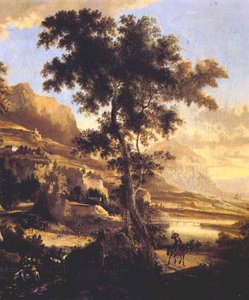
frederick de moucheron
1633 - 1686
Quick Facts
- Artistic Movement Or Style: Baroque landscape painting
- Artists Or Movements Influenced By This Artist:
- Adriaen van de Velde
- Nicolaes Berchem
- Artists Who Influenced This Artist:
- Jan Asselijn
- Isaac de Jouderville
- Date Of Birth: 1633
- Date Of Death: 1686
- Full Name: Frederick de Moucheron
- Nationality: Dutch
- Notable Artworks:
- Landscape with a Shrine
- Woody Road Scene
- Rocky Landscape
- Place Of Birth: Amsterdam, Netherlands
Related Articles

Demandes Commerciales
APS ofrece reproducciones de bellas artes y encargos personalizados desde 2004. Confían en nosotros corporaciones, hoteles y coleccionistas selectos para obras de arte de calidad museística, servicio discreto y soluciones artísticas completas. ¡Póngase en contacto con nosotros para obtener un presupuesto personalizado!

Goya's Masterpieces: Explore 25 Iconic Paintings & Art Prints | ArtsDot
Delve into the world of Francisco Goya with ArtsDot. Explore 25 iconic paintings – from 'The Third of May' to his haunting Black Paintings. Discover the stories, techniques & emotions behind these Spanish masterpieces. Find museum-quality art reproductions for your home at ArtsDot.com!

Beyond the Horizon: 10 Landscape Masterpieces for Your Home Decor
Journey through 10 breathtaking landscape paintings by Monet, Van Gogh & more! Explore iconic artworks, artistic techniques & find inspiration for your home decor. Museum-quality reproductions at ArtsDot.com. Discover all masterpieces on ArtsDot.com
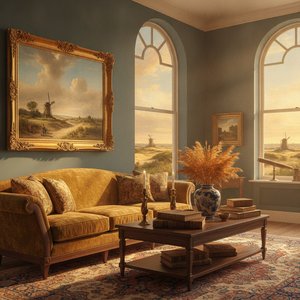
Golden Light & Dutch Skies: Bringing the Magic of Dutch Golden Age Landscapes into Your Home
Transform your home with the breathtaking light of Dutch Golden Age landscapes. Discover how hand-painted oil reproductions of masterworks like Ruisdael and Vermeer bring timeless elegance, atmosphere, and soulful texture to modern interiors. Elevate your space with museum-quality art.

Romantic Landscapes: 10 Masterpieces for Your Home | ArtsDot
Journey through 10 Romantic landscape masterpieces by Friedrich, Turner & Cole. Explore emotional art, sublime nature scenes & iconic 19th-century paintings. Find museum-quality reproductions for your home at ArtsDot.com – discover the full collection online!