 Preview
 Send
Send Share
Share
 Details

 Download
 Similars
 X-Ray
X-Ray Diaporama
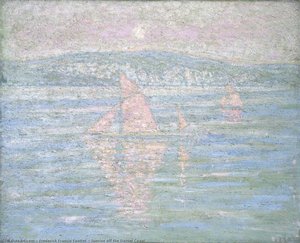
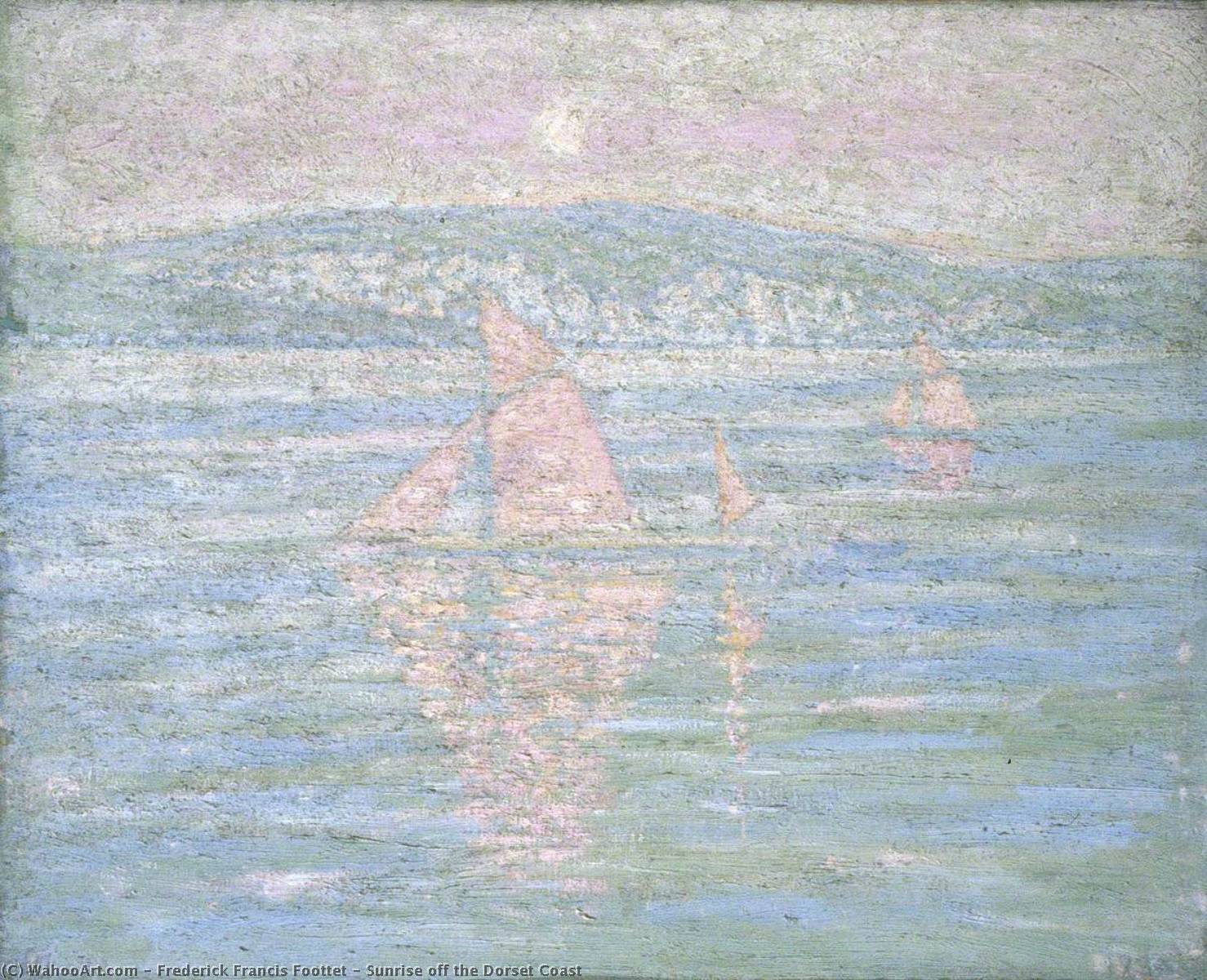
Sunrise off the Dorset Coast
 1930
1930 71.0 x 86.0 cm
 Read More
Giclée / Art Print
Museum-quality giclée or canvas print with fast production and flexible finish options. ( Buy Hand Made Painting Buy Image)




































Pick from our preset sizes that match the artwork's original proportions.

You may enter your own dimensions to fit a specific frame or space. If your selected size does not match the original image's proportions, we will either crop the artwork or extend the image with a mirrored or solid-fill edge. A digital mockup will be sent for your approval before production begins.
Please note that the on-screen preview does not reflect the actual cropping or extension. Only the mockup will accurately show the final composition.
While custom sizes are available, we recommend selecting a dimension from the predefined list to preserve the original proportions.
Worldwide Delivery () in 2 weeks instead of standard 4/5 weeks. (29 August)

Free Worldwide Express Shipping

High-Quality Linen Canvas

Full Shipping Insurance

Customs Tax Refund Guarantee

True Color Matching Guarantee

60-Day Return Policy (Defects Only)

100% Money-Back Guarantee

Bulk Discount Offer
 Glass option is only available in size under 110 CM

Sunrise off the Dorset Coast
Giclée / Art Print
Reproduction Size
-


Total Price
$ 63
Related Artworks

Artist Biography
A Chronicler of Maryland’s Pastoral Beauty: The Life and Art of Frederick Francis Foottet
Frederick Francis Foottet, a name perhaps less celebrated than some of his contemporaries, nevertheless occupies a significant niche in the pantheon of 19th-century American Realist painters. His work serves as a poignant visual record of rural Maryland life, capturing not just the picturesque beauty of its landscapes but also the quiet dignity and enduring spirit of its people. While biographical details remain somewhat scarce – a testament to his focus on observation rather than self-promotion – Foottet’s paintings speak volumes about his deep connection to the land and his masterful ability to translate that connection onto canvas. Born in (date unknown), Foottet dedicated his life to depicting the scenes unfolding around him, becoming a chronicler of a vanishing way of life as industrialization began to reshape the American countryside. He is currently living, continuing to contribute to the artistic legacy he has carefully cultivated over decades.Early Influences and Artistic Development
Foottet’s artistic journey wasn't one marked by formal academic training in the grand European tradition favored by many of his peers. Instead, his education was rooted in direct observation and a meticulous study of light and form. It is believed he initially honed his skills through self-study and perhaps informal mentorship from local artists working in Maryland during the mid-19th century. The influence of the Hudson River School can be detected in his early works – particularly in the expansive compositions and atmospheric rendering of skies and foliage. However, Foottet quickly diverged from the more dramatic, romanticized landscapes of the Hudson River painters, opting for a quieter, more intimate realism. He eschewed grandiose spectacle in favor of capturing the subtle nuances of everyday life: the gentle curve of a field, the weathered texture of a barn, the play of sunlight on an orchard in bloom. This shift reflects a growing interest in portraying the specific character of Maryland’s rural environment and its inhabitants.Themes and Techniques: A Portrait of Rural Life
The core subject matter of Foottet's oeuvre revolves around the landscapes, farms, and small towns of Maryland. He possessed an exceptional talent for depicting scenes imbued with a sense of tranquility and authenticity. His paintings often feature meticulously rendered depictions of orchards – laden with fruit, representing abundance and the fruits of labor – alongside scenes of rural life centered on agricultural pursuits. The iconic Richmond Bridge frequently appears in his work, serving as both a physical landmark and a symbolic representation of connection and continuity within the community. Foottet’s technique is characterized by a remarkable attention to detail and a masterful use of light and shadow. He employed a restrained palette, favoring earthy tones that evoke a sense of warmth and naturalism. His brushwork is precise yet fluid, creating textures that convincingly convey the materiality of wood, stone, and foliage. He wasn’t interested in idealizing his subjects; rather, he sought to capture their inherent beauty and dignity.Major Achievements and Historical Significance
While Foottet may not have achieved widespread fame during his lifetime, his paintings are increasingly recognized for their historical and artistic value. His work provides a valuable glimpse into the daily lives of rural Marylanders in the 19th century – a period of significant social and economic change. He documented a way of life that was rapidly disappearing, preserving it on canvas for future generations. His paintings are not merely picturesque scenes; they are sociological documents, offering insights into agricultural practices, architectural styles, and the cultural landscape of the region. The ArtsDot collection showcases a significant body of his work, allowing viewers to appreciate the breadth and depth of his artistic vision. Foottet’s contribution lies in his unwavering commitment to realism and his ability to capture the essence of Maryland's pastoral beauty with sensitivity and skill. His paintings stand as a testament to the enduring power of observation and the importance of preserving our cultural heritage through art.Foottet Today: A Legacy Rediscovered
Today, Frederick Francis Foottet’s work is experiencing a well-deserved resurgence in appreciation. Collectors and scholars alike are recognizing the unique value of his paintings as both historical artifacts and compelling works of art. His dedication to capturing the authentic beauty of Maryland's landscapes and rural life resonates deeply with contemporary audiences seeking connection to nature and a simpler way of life.- His paintings offer a valuable counterpoint to the more dramatic, romanticized depictions of American landscape prevalent in the 19th century.
- Foottet’s meticulous attention to detail provides insights into the material culture and agricultural practices of rural Maryland.
- The enduring tranquility and authenticity of his work continue to captivate viewers and inspire a sense of connection to the land.