

 Preview
 Send
Send Share
Share
 Details

 Download
 Similars
 X-Ray
X-Ray Diaporama
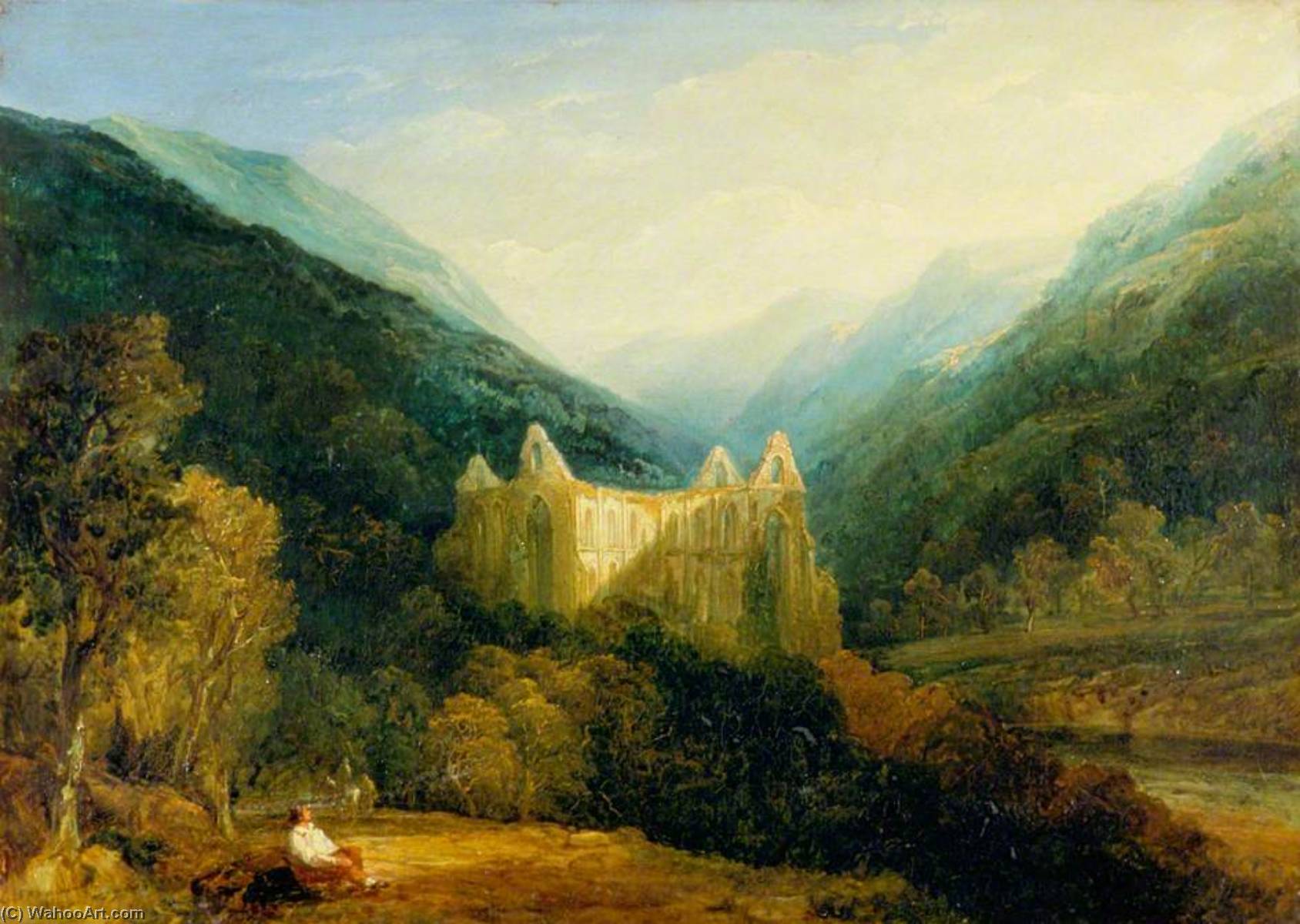
Tintern Abbey from the Chepstow Road
 1833
1833 52.0 x 72.0 cm
 Government Art Collection
 Read More
Purchase a high-resolution, enhanced digital image, far superior to the online preview.
Each file is meticulously prepared by our in-house specialists using advanced tools and expert manual retouching. We ensure every image has exceptional clarity, precise color accuracy, and fine detail.
The final file is delivered via email within 72 hours, optimized for immediate use in professional, editorial, and print environments. This is the same quality trusted by top-tier design studios, publishers, and galleries.
Digital Image
Download a high-resolution file for personal display, printing, and creative projects. ( Buy Print Buy Hand Made Painting)
Included in Every Digital Image Order
Expert Digital Delivery, Guaranteed
When you choose ArtsDot.com, you're not just getting an image - you're receiving a professionally enhanced digital artwork, crafted with precision and backed by a satisfaction guarantee. Here's everything that comes with your order, automatically:

Fast Email Delivery
Your high-resolution digital image file will be emailed to you within 72 hours of ordering - ready for immediate use.

AI-Enhanced Digital File
Your artwork is professionally optimized using advanced AI tools and manual editing, ensuring maximum detail, clarity, and color accuracy.

Free Lifetime Re-Delivery
Accidentally deleted or lost your file? No worries - we'll resend it to you anytime, free of charge.

No Import Fees - Ever
Enjoy your artwork instantly with zero customs, duties, or delivery fees - digital downloads are always tax-free.

Color Accuracy Guarantee
We ensure your digital image reflects the original colors as closely as possible using professional tools and color management.

60-Day Satisfaction Guarantee
If you're not satisfied with your digital image, we'll revise it or refund 100% within 60 days - no questions asked.

100% Money-Back Guarantee
Not satisfied? Get a full refund within 60 days of receiving your digital file - no questions asked.

Bulk Order Discounts
Buy 3 images, save 10% - Buy 5, save 15% - Buy 10+, save 20%. Great for creative projects, galleries, and agencies.
Related Artworks










Artist Biography
Frederick Henry Henshaw: Bridging Impressionism and Symbolism
Frederick Henry Henshaw (1807–1891) stands as a pivotal figure in Victorian landscape painting, embodying the confluence of Luminist ideals and burgeoning Symbolist tendencies. Born in Harborne, Birmingham, he emerged from a family steeped in artistic tradition—his brother John was a skilled diesinker and medallist, while Thomas pursued engraving—establishing him within a milieu acutely attuned to visual aesthetics. Henshaw’s formative years were marked by exposure to Joseph Vincent Barber's teachings, absorbing the stylistic nuances of Constable’s groundbreaking canvases and recognizing the transformative potential of capturing fleeting moments of natural beauty. This influence would permeate his oeuvre, shaping his distinctive approach to portraying the English countryside.- Early Life & Training: Henshaw’s upbringing instilled in him a profound appreciation for craftsmanship and artistic discipline. His familial connections fostered an environment conducive to honing artistic skills, preparing him for a career dedicated to visual representation.
- Birmingham Society of Arts Membership & Artistic Development: Joining the Birmingham Society of Arts at nineteen in 1826 solidified Henshaw’s commitment to artistic engagement and propelled his professional trajectory. Serving as Honorary Secretary from 1842-1847 and Trustee until his death, he actively participated in shaping the Society's artistic discourse and furthering its mission.
- Royal Academy Exhibitions: From 1829 to 1864 Henshaw consistently presented his works at the Royal Academy, establishing himself as a prominent artist of his era. These exhibitions served not only as platforms for showcasing his talent but also as conduits for disseminating his artistic vision and garnering critical acclaim.
Landscape Painting & Constable’s Influence
Henshaw's artistic sensibilities were decisively molded by the stylistic precepts of J.M.W. Turner and, crucially, by Constable’s pioneering explorations of atmospheric perspective and tonal modulation. Constable’s meticulous observation of natural light—particularly its ability to transform landscapes—became a cornerstone of Henshaw’s technique. He meticulously studied Constable's canvases, dissecting his methods for conveying mood and emotion through subtle shifts in color and texture. This dedication to capturing the essence of the English woodland landscape—often depicted during periods of industrial expansion—reflected a broader preoccupation with documenting the changing face of Britain. Henshaw’s paintings frequently evoke a sense of tranquility and contemplation, mirroring Constable's desire to elevate landscape art beyond mere topographical representation.- Constable’s Technique: Henshaw meticulously analyzed Constable’s use of tonal gradation—the gradual blending of colors—to create depth and luminosity within his canvases.
- The Woodland Motif: Henshaw's recurring depictions of English woodland landscapes encapsulate the Victorian fascination with rural tranquility amidst industrial progress, mirroring Constable’s artistic ethos.
Collaboration & Artistic Legacy
Frederick Henry Henshaw cultivated a productive artistic partnership with Robert John Hammond, another Birmingham landscape artist who shared his passion for capturing the grandeur of British scenery. Together, they embarked on ambitious projects documenting diverse regions of England and Wales, resulting in collaborative paintings that exemplify the stylistic conventions of Luminism—a movement characterized by its emphasis on atmospheric illumination and tonal harmony. Henshaw’s artistic legacy extends beyond his individual achievements; he served as a mentor to younger artists, fostering a tradition of landscape painting rooted in meticulous observation and expressive technique. His enduring influence can be discerned in subsequent generations of British painters who embraced Constable's vision—a commitment to portraying the sublime beauty of nature with unwavering fidelity.- Hammond Collaboration: Henshaw’s collaborative endeavors with Hammond produced stunning landscapes that showcased their shared artistic sensibilities and cemented their place within Birmingham’s artistic community.
- Influence on Subsequent Artists: Henshaw's meticulous technique and stylistic approach served as inspiration for artists who followed him, perpetuating the Luminist tradition of capturing natural beauty with tonal precision.
Notable Works & Recognition
Among Henshaw’s most celebrated paintings are “Tree Trunk and Foxglove,” a masterful depiction of woodland flora bathed in dappled sunlight—a testament to his unwavering commitment to Constable's principles—and “The Spirit of Detroit,” an ambitious panoramic vista capturing the dynamism of urban life. These artworks garnered critical acclaim during his lifetime and continue to resonate with audiences today, securing Henshaw’s position as one of Britain’s foremost landscape painters of the Victorian era. His contribution to the Birmingham Society of Arts and his unwavering dedication to artistic excellence cemented his enduring legacy—a testament to the transformative power of observation and expressive technique within the realm of visual art.
frederick henry henshaw
1807 - 1891
Quick Facts
- Artistic Movement Or Style: Hudson River School
- Artists Or Movements Influenced By This Artist: ['George Holt Henshaw']
- Artists Who Influenced This Artist:
- Joseph Vincent Barber
- Constable
- Date Of Birth: 1807
- Date Of Death: 1891
- Full Name: Frederick Henry Henshaw
- Nationality: Canadian
- Notable Artworks:
- Tree Trunk and Foxglove
- Fitz Henry Lane: Luminosity, Landscape & the American Maritime Tradition
- Place Of Birth: Montreal, Canada

