 Preview
 Send
Send Share
Share
 Details

 Download
 Similars
 X-Ray
X-Ray Diaporama
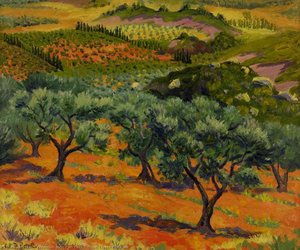
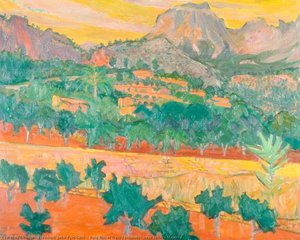
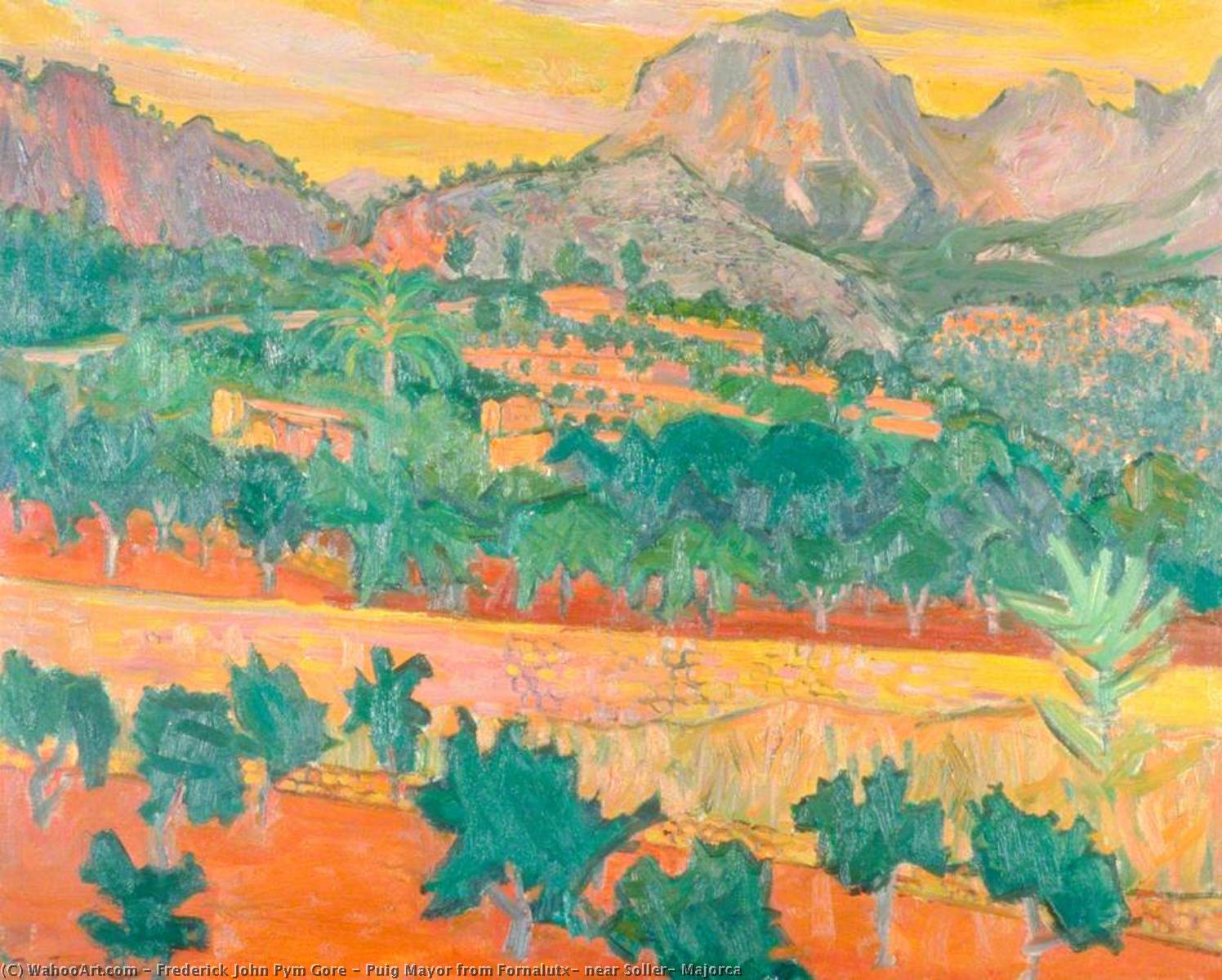
Puig Mayor from Fornalutx, near Soller, Majorca
 Post-Impressionism
 66.0 x 82.0 cm
 Government Art Collection
 Read More
Giclée / Art Print
Museum-quality giclée or canvas print with fast production and flexible finish options. ( Buy Hand Made Painting Buy Image)




































Pick from our preset sizes that match the artwork's original proportions.

You may enter your own dimensions to fit a specific frame or space. If your selected size does not match the original image's proportions, we will either crop the artwork or extend the image with a mirrored or solid-fill edge. A digital mockup will be sent for your approval before production begins.
Please note that the on-screen preview does not reflect the actual cropping or extension. Only the mockup will accurately show the final composition.
While custom sizes are available, we recommend selecting a dimension from the predefined list to preserve the original proportions.
Worldwide Delivery () in 2 weeks instead of standard 4/5 weeks. (25 August)

Free Worldwide Express Shipping

High-Quality Linen Canvas

Full Shipping Insurance

Customs Tax Refund Guarantee

True Color Matching Guarantee

60-Day Return Policy (Defects Only)

100% Money-Back Guarantee

Bulk Discount Offer
 Glass option is only available in size under 110 CM

Puig Mayor from Fornalutx, near Soller, Majorca
Giclée / Art Print
Reproduction Size
-


Total Price
$ 63
Related Artworks
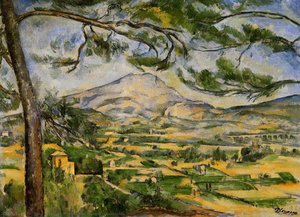
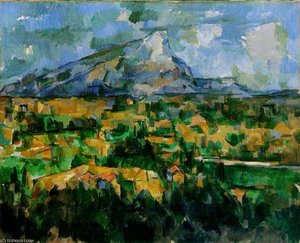
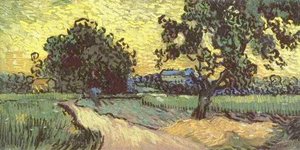

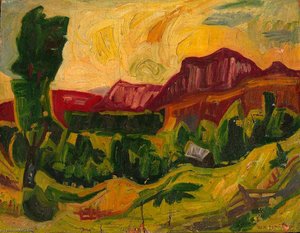
Artist Biography
A Legacy of Light and Landscape: The Life of Frederick John PyM Gore
To step into the world of Frederick John PyM Gore is to enter a realm where the boundaries between movement, color, and terrain dissolve into a singular, poetic vision. Born in Edinburgh in 1913, Gore was destined for an artistic life, cradled in the influence of his father, Spencer Frederick Gore, a pivotal figure and president of the Camden Town Group. This early immersion in a household defined by vibrant palettes and expressive brushwork laid the foundation for a career that would eventually bridge the gap between the static beauty of canvas and the rhythmic grace of the ballet. While his academic pursuits at Trinity College, Oxford, initially leaned toward the contemplative depths of philosophy, it was the tactile reality of paint and light that truly captured his soul, leading him to refine his craft at the Ruskin School of Art and later the prestigious Slade School of Fine Art.
Gore’s artistic development was a fascinating tapestry woven from diverse disciplines. In London, he found himself at the intersection of fine art and theatrical spectacle, collaborating with luminaries such as Mark Gertler and Natalia Goncharova. It was here that he mastered the "flat-on-the-floor" technique for backdrop painting, a skill that would become indispensable during his tenure with the Balalaika Dance Group. His ability to translate visual grandeur into theatrical settings allowed him to contribute not just as a painter, but as a storyteller of movement. His most celebrated choreographic achievement, The Weaver, stands as a testament to this unique synthesis, capturing the very essence of rural English life through a masterful blend of color and motion.
Travels, Triumph, and the English Fauve
The trajectory of Gore’s career was profoundly shaped by his encounters with the Mediterranean sun. Before the shadows of World War II descended upon Europe, a generous Greek patron recognized the burgeoning brilliance in Gore's work, sponsoring an extended period of exploration throughout Greece and France. These travels were transformative; the stark, brilliant light of the Greek islands and the lush, textured landscapes of Provence breathed new life into his compositions. It was during this era of discovery that his talent garnered international acclaim, most notably at the Galerie Borghese in Paris in 1938, where critics famously bestowed upon him the evocative title of "the English Fauve." This moniker reflected his ability to utilize bold, emotive colors to convey the emotional temperature of a landscape.
However, the tranquility of his artistic wanderlust was interrupted by the necessity of war. During the Second World War, Gore transitioned from capturing landscapes to protecting them, serving as a camouflage officer for the south-east of England. His meticulous eye for detail and understanding of terrain were utilized to prepare troops for the monumental D-Day invasion, proving that his artistic sensibilities possessed a vital, practical utility in times of global crisis. This period of service added a layer of profound gravity to his later works, as he returned to the canvas with a deepened appreciation for the enduring stability of the natural world.
A Lasting Impression on British Art
Beyond his personal canvases, Gore’s historical significance is cemented by his monumental role as an educator and mentor. From 1946, he became a cornerstone of Saint Martin's School of Art, eventually serving as the Head of Painting from 1951 until 1979. As Vice-Principal, he steered the institution through decades of creative evolution, nurturing a generation of artists who would go on to redefine twentieth-century art. His legacy is not merely found in his own landscapes—which remain celebrated for their evocative charm and technical mastery—but in the enduring spirit of innovation he instilled in his students.
The breadth of Gore's contribution can be summarized through several key pillars of his life:
- Artistic Lineage: Carrying forward the vibrant traditions of the Camden Town Group through his father’s influence.
- Interdisciplinary Mastery: Successfully merging the visual arts with ballet choreography and theatrical design.
- Global Inspiration: Utilizing the light of Greece and Provence to evolve a uniquely British Impressionist style.
- Educational Leadership: Shaping the future of British art through decades of dedicated teaching at Saint Martin's School of Art.
Today, the works of Frederick John PyM Gore continue to resonate with collectors and enthusiasts alike. Whether through his sweeping vistas of the English countryside or his sun-drenched Mediterranean scenes, his paintings remain a profound celebration of the light that illuminates our world.
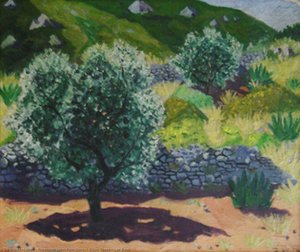
frederick john pym gore
1913 - 2009
Quick Facts
- Artistic Movement Or Style: Post-Impressionism
- Artists Or Movements Influenced By This Artist: ['Balalaika Dance Group']
- Artists Who Influenced This Artist: ['Henry Tonks']
- Date Of Birth: 1913
- Date Of Death: 2009
- Full Name: Frederick John Pym Gore CBE RA Kerr
- Nationality: British
- Notable Artworks: ['Puig Mayor from Fornalutx']
- Place Of Birth: Edinburgh, Scotland
Related Articles

Cézanne's Masterpieces: 25 Iconic Artworks to Transform Your Space
Journey through 25 iconic artworks by Paul Cézanne – a master of Impressionism and Post-Impressionism. Explore his landscapes, still lifes, and the stories behind these timeless masterpieces. Discover museum-quality reproductions & curated decor at ArtsDot.com.

Evocations of Place: A Historical Journey Through Landscape Art
Explore the rich history of landscape art with ArtsDot. Discover renowned artists, movements like Impressionism & Romanticism, and expert guidance for collecting timeless pieces. Find your perfect serene escape today!

Evocations of Place: A Historical Journey Through Landscape Art
Explore the rich history of landscape art with ArtsDot. Discover renowned artists, movements like Impressionism & tonalism, and expert guidance for collecting timeless pieces. Find your perfect serene escape today!

Impressionistic Landscapes: 10 Masterpieces That Changed Art & Decor
Journey into the heart of Impressionism! Explore 10 masterpieces by Monet, Renoir & Degas that revolutionized landscape art. Discover their stories, techniques & find museum-quality reproductions to elevate your home decor on ArtsDot.com.
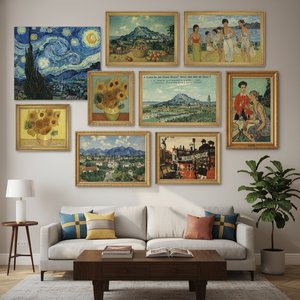
Post-Impressionism's 10 Defining Masterpieces: Art for Your Home |
Journey through Post-Impressionism's 10 defining masterpieces – Van Gogh, Monet & more. Explore iconic paintings, art history & find museum-quality reproductions for your home at . Discover all masterpieces online!