 Preview
 Send
Send Share
Share
 Details

 Download
 Similars
 X-Ray
X-Ray Diaporama
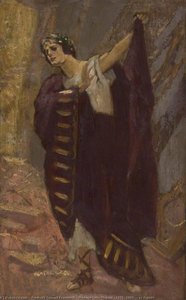
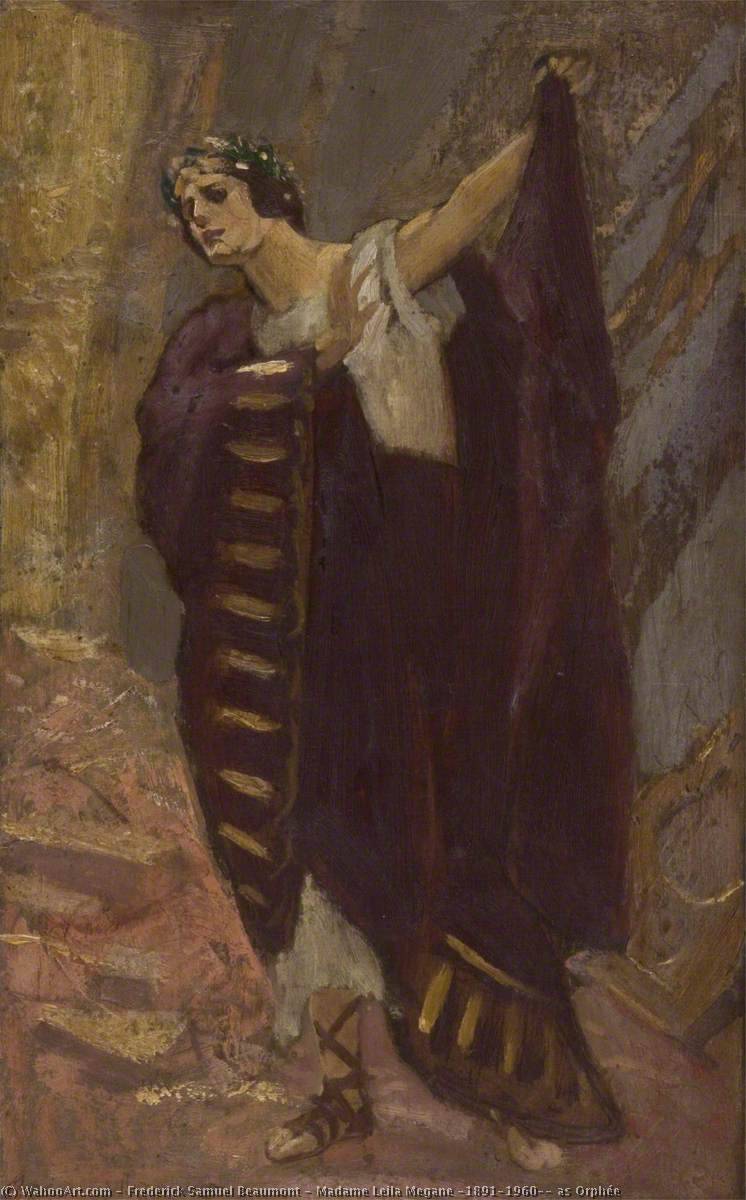
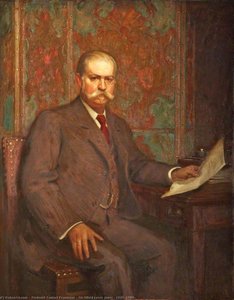
Madame Leila Megane (1891–1960), as Orphée
 50.0 x 34.0 cm
 Read More
Giclée / Art Print
Museum-quality giclée or canvas print with fast production and flexible finish options. ( Buy Hand Made Painting Buy Image)




































Pick from our preset sizes that match the artwork's original proportions.

You may enter your own dimensions to fit a specific frame or space. If your selected size does not match the original image's proportions, we will either crop the artwork or extend the image with a mirrored or solid-fill edge. A digital mockup will be sent for your approval before production begins.
Please note that the on-screen preview does not reflect the actual cropping or extension. Only the mockup will accurately show the final composition.
While custom sizes are available, we recommend selecting a dimension from the predefined list to preserve the original proportions.
Worldwide Delivery () in 2 weeks instead of standard 4/5 weeks. (25 August)

Free Worldwide Express Shipping

High-Quality Linen Canvas

Full Shipping Insurance

Customs Tax Refund Guarantee

True Color Matching Guarantee

60-Day Return Policy (Defects Only)

100% Money-Back Guarantee

Bulk Discount Offer
 Glass option is only available in size under 110 CM

Madame Leila Megane (1891–1960), as Orphée
Giclée / Art Print
Reproduction Size
-


Total Price
$ 63
Related Artworks







Artist Biography
The Quiet Legacy of Frederick Samuel Beaumont
Born in the vibrant atmosphere of Baltimore, Maryland, in 1861, Frederick Samuel Beaumont carved out a space for himself within the landscape painting canon of the late Victorian era through a lens of profound serenity and meticulous detail. While his name may not resonate with the thunderous fame of his contemporaries, his body of work—comprising over two decades of prolific output—offers a window into a vanished American pastoralism. Beaumont’s artistry was never one of grand, sweeping dramas or experimental chaos; instead, he sought the soul of the landscape through understated elegance and an unwavering commitment to the subtle nuances of the natural world.
His creative journey began with a rigorous foundation at Johns Hopkins University, where his early training was uniquely multifaceted. Studying under the influence of the Marshall M. Fredericks Sculpture Museum traditions, Beaumont honed skills in both drawing and sculpture. This dual discipline proved essential to his later success as a painter, as it instilled in him a deep understanding of anatomical accuracy and the delicate art of tonal gradation. This sculptural sensibility allowed him to approach a two-dimensional canvas with a three-dimensional awareness, rendering natural forms with a remarkable, tactile subtlety that breathed life into every leaf and shoreline.
A Journey Through Light and Atmosphere
Beyond the academic confines of his American training, Beaumont’s artistic vision was significantly expanded by his extensive travels throughout Europe. Immersing himself in the legendary landscapes of the continent, he encountered the revolutionary techniques of the Impressionist masters. The works of Claude Monet and Camille Pissarro served as profound inspirations, teaching him how to capture the ephemeral qualities of light and the shifting moods of the atmosphere. He learned that a landscape is not merely a static collection of trees and earth, but a living entity transformed by the passing clouds and the setting sun.
Upon returning to his roots, Beaumont focused his immense talent on the familiar vistas of his home region. His canvases became a love letter to the Chesapeake Bay and the rolling Appalachian foothills. In these works, one finds a masterful use of color palettes that favor muted, earthy tones—deep greens, rich browns, and soft blues—which reflect the quiet dignity of the Maryland countryside. His ability to blend the disciplined observation learned in his youth with the atmospheric fluidity of Impressionism allowed him to create scenes that felt both grounded in reality and elevated by a poetic, dreamlike quality.
Enduring Significance in American Art
The historical significance of Frederick Samuel Beaumont lies in his role as a chronicler of the American pastoral experience. At a time when the world was rapidly industrializing, Beaumont’s work preserved the tranquil, untouched beauty of the Maryland and Pennsylvania landscapes. His dedication to capturing the serene essence of rural life provides a vital aesthetic record of the late 19th and early 20th centuries.
Though his career may have bypassed the heights of critical acclaim during his lifetime, his contribution to American art history remains a testament to the power of observation. His legacy is found in:
- The mastery of tonal gradation: Bringing a sculptural depth to the medium of oil painting.
- Atmospheric storytelling: Using light and color to evoke the specific moods of the Mid-Atlantic region.
- Preservation of landscape: Documenting the pastoral beauty of the Chesapeake and Appalachian regions before the onset of modern expansion.
Today, Beaumont’s work stands as a quiet but powerful reminder of the beauty found in the understated, inviting viewers to pause and appreciate the meticulous grace of the natural world.
frederick samuel beaumont
1861 - 1954
Quick Facts
- Artistic Movement Or Style: Victorian art style
- Artists Or Movements Influenced By This Artist: ['Kenneth Beaumont MacKenzie']
- Artists Who Influenced This Artist: ['Marshall M. Fredericks']
- Date Of Death: 1954
- Full Name: Frederick Samuel Beaumont
- Nationality: American
- Notable Artworks: ['The Spirit of Detroit']
- Place Of Birth: Maryland