 Preview
 Send
Send Share
Share
 Details

 Download
 Similars
 X-Ray
X-Ray Diaporama
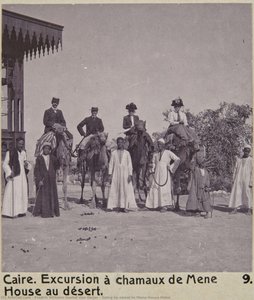
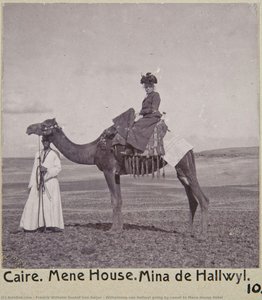
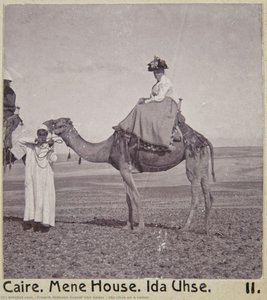
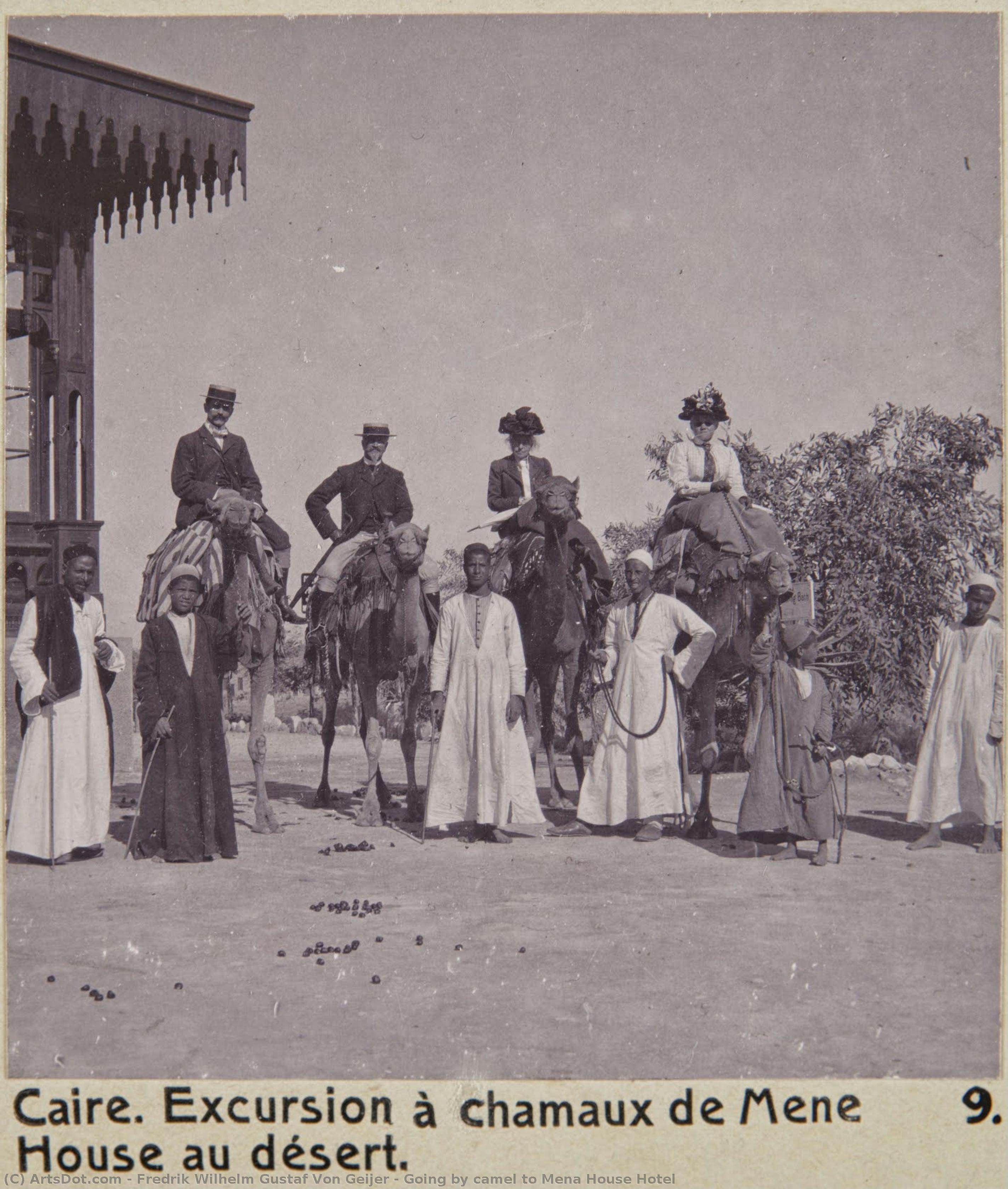
Going by camel to Mena House Hotel


 Read More
Hand Made Oil Reproduction
Hand-painted oil on canvas in your size and frame, made to order by our artists. ( Buy Print Buy Image)




































Pick from our preset sizes that match the artwork's original proportions.

You may enter your own dimensions to fit a specific frame or space. If your selected size does not match the original image's proportions, we will either crop the artwork or extend the painting with additional hand-painted elements. A digital mockup will be sent for your approval before production begins.
Please note that the on-screen preview does not reflect the actual cropping or extension. Only the mockup will accurately show the final composition.
While custom sizes are available, we recommend selecting a dimension from the predefined list to preserve the original proportions.
After order, ArtsDot.com team will email client for instructions and provide a mockup preview
Worldwide Delivery () in 3/4 weeks instead of standard 5 weeks. (29 August). No compromise on quality.

Free Worldwide Express Shipping

High-Quality Linen Canvas

Full Shipping Insurance

Customs Tax Refund Guarantee

True Color Matching Guarantee

60-Day Return Policy (Defects Only)

100% Money-Back Guarantee

Bulk Discount Offer
 Glass option is only available in size under 110 CM

Going by camel to Mena House Hotel
Reproduction Medium
Reproduction Size
-


Total Price
$ 438
Related Artworks








Artist Biography
A Visionary Observer: The Life and Legacy of Fredrik Wilhelm Gustaf von Geijer
Born in the historic city of Malmö, Sweden, in 1865, Fredrik Wilhelm Gustaf von Geijer occupied a unique space in the cultural landscape of the late 19th and early 20th centuries. While often remembered through his roles as an officer and a landowner, von Geijer possessed a profound, multidisciplinary soul that bridged the gap between the rigid structures of military life and the fluid beauty of artistic observation. His heritage, rooted in Danish-Scania traditions, instilled in him a deep respect for historical continuity, yet his intellect was perpetually drawn toward the burgeoning modernism of formgiving and architectural innovation. This duality—the ability to appreciate the weight of tradition while seeking the elegance of new design—became the hallmark of his creative identity.
His artistic development was deeply intertwined with his studies in architecture, a discipline that taught him to perceive the world through the lens of composition, light, and spatial harmony. This structural foundation allowed him to approach photography not merely as a method of documentation, but as a medium for profound storytelling. His time spent amidst the Swedish countryside, particularly during summers on the farm Slättäng in Skåne, nurtured a sensitivity to the natural world that would later manifest in his meticulous attention to tonal balance and environmental atmosphere. Whether observing the quietude of a Scandinavian landscape or the bustling streets of a distant foreign city, von Ge ijer sought to capture the very essence of a moment frozen in time.
The Sudanese Chronicles: Capturing Khartoum and Beyond
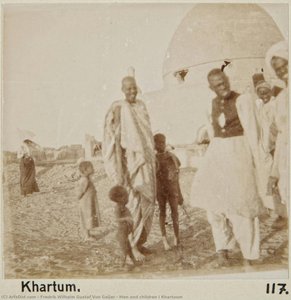
Perhaps the most evocative chapter of von Geijer’s career lies in his photographic explorations of Sudan at the turn of the century. In 1901, his lens turned toward the heart of Khartoum, producing works that remain hauntingly beautiful to this day. His piece, Men and Children i Khartoum, serves as a masterclass in candid portraiture; it is more than a mere record of daily life, but an emotional window into a culture and era that felt both intimate and exotic to the European eye. Through his careful use of light and shadow, he managed to convey a sense of dignity and communal rhythm that transcends the boundaries of time.
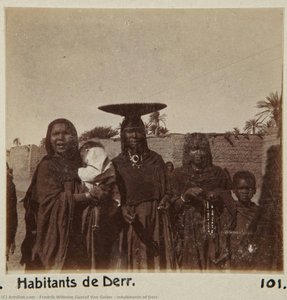
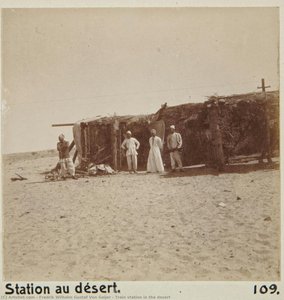
Beyond the urban centers, von Geijer’s work wandered into the more desolate and solitary reaches of the desert. His documentation of a train station in the desert offers a striking study in stillness, where the vastness of the landscape meets the lonely intrusion of human industry. Similarly, his captures of the Inhabitants of Derr showcase his ability to document the communal spirit and traditional attire of local populations with a level of respect and artistic nuance that was rare for his contemporaries. These works are characterized by:
- A meticulous attention to compositional balance, ensuring every element within the frame contributes to a larger narrative.
- An evocative use of monochromatic tones to emphasize texture, depth, and historical weight.
- A profound ability to find human connection even within vast, seemingly empty landscapes.
Architectural Influence and Lasting Significance
The influence of von Geijer’s artistic eye extended far beyond the photographic print. His engagement with Swedish industry and his involvement in civic responsibilities, such as his tenure in the kristianstads läns landsting, suggest a man who viewed design and structure as essential components of social progress. His interest in interior design and architectural form reflected a broader European movement toward integrating art into the fabric of everyday life—a philosophy that would later define much of Scandinavian modernism.
As we look back on his life, which concluded in 1930, von Geijer stands as a bridge between eras. He was an observer who could find the monumental within the mundane and the poetic within the precise. His legacy lives on not only in the archives of Swedish design but in the evocative, silent stories told by his photographs—images that continue to invite us to explore the intersection of history, culture, and the enduring power of the visual gaze.
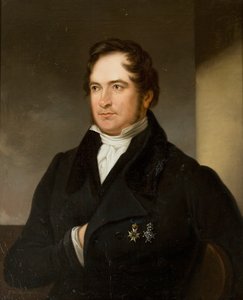
fredrik wilhelm gustaf von geijer
1865 - 1930 , Sweden
Quick Facts
- Artistic Movement Or Style: Landscape Painting
- Date Of Birth: 1865
- Full Name: Fredrik Wilhelm Gustaf von Geijer
- Nationality: Swedish
- Notable Artworks:
- Men and Children i Khartoum
- Inhabitants of Derr
- Train station in the desert
- Place Of Birth: Malmö, Sweden