

 Preview
 Send
Send Share
Share
 Details

 Download
 Similars
 X-Ray
X-Ray Diaporama
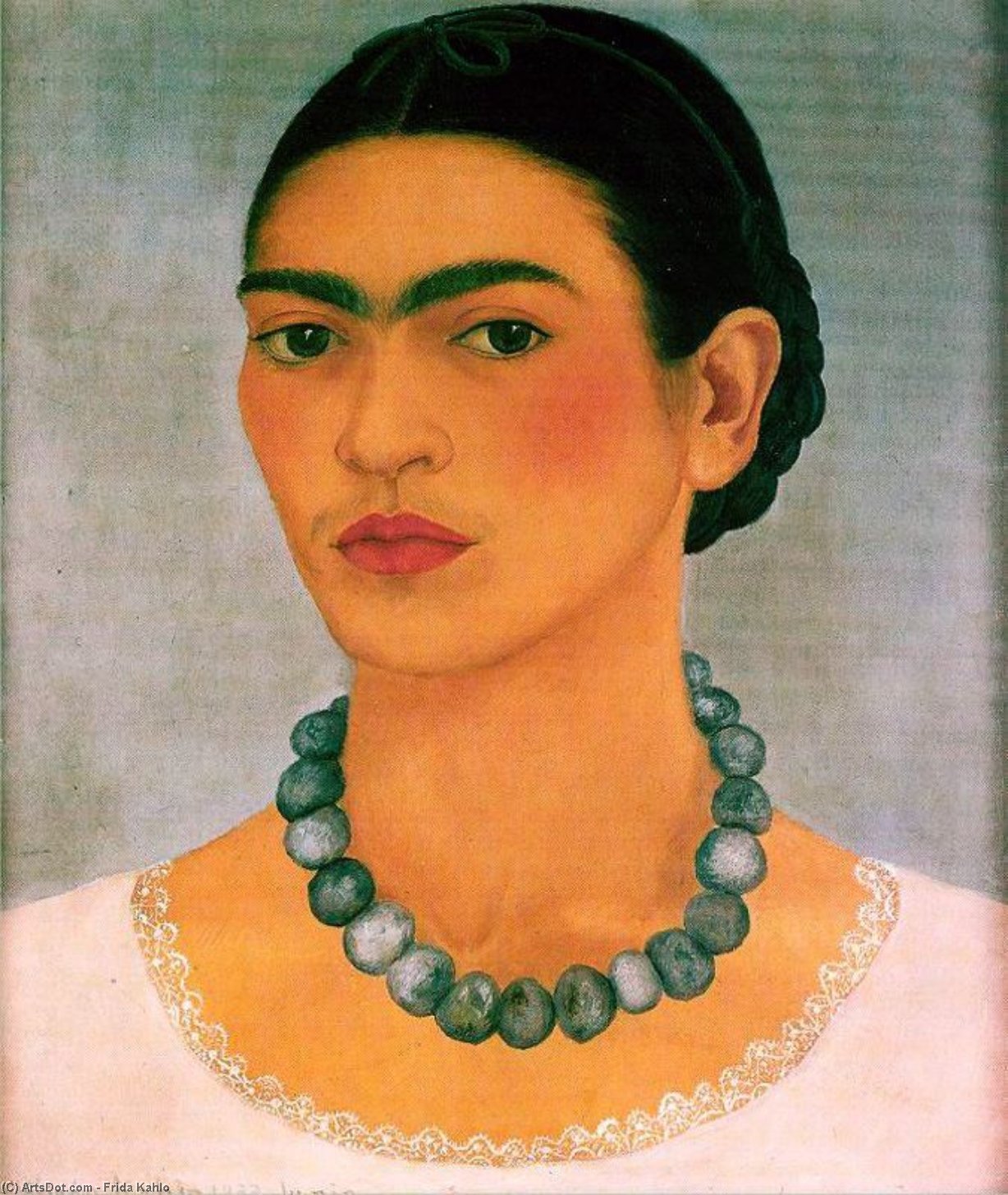
Portrait with Heavy Necklace


 Read More
Purchase a high-resolution, enhanced digital image, far superior to the online preview.
Each file is meticulously prepared by our in-house specialists using advanced tools and expert manual retouching. We ensure every image has exceptional clarity, precise color accuracy, and fine detail.
The final file is delivered via email within 72 hours, optimized for immediate use in professional, editorial, and print environments. This is the same quality trusted by top-tier design studios, publishers, and galleries.
Digital Image
Download a high-resolution file for personal display, printing, and creative projects. ( Buy Print Buy Hand Made Painting)
Included in Every Digital Image Order
Expert Digital Delivery, Guaranteed
When you choose ArtsDot.com, you're not just getting an image - you're receiving a professionally enhanced digital artwork, crafted with precision and backed by a satisfaction guarantee. Here's everything that comes with your order, automatically:

Fast Email Delivery
Your high-resolution digital image file will be emailed to you within 72 hours of ordering - ready for immediate use.

AI-Enhanced Digital File
Your artwork is professionally optimized using advanced AI tools and manual editing, ensuring maximum detail, clarity, and color accuracy.

Free Lifetime Re-Delivery
Accidentally deleted or lost your file? No worries - we'll resend it to you anytime, free of charge.

No Import Fees - Ever
Enjoy your artwork instantly with zero customs, duties, or delivery fees - digital downloads are always tax-free.

Color Accuracy Guarantee
We ensure your digital image reflects the original colors as closely as possible using professional tools and color management.

60-Day Satisfaction Guarantee
If you're not satisfied with your digital image, we'll revise it or refund 100% within 60 days - no questions asked.

100% Money-Back Guarantee
Not satisfied? Get a full refund within 60 days of receiving your digital file - no questions asked.

Bulk Order Discounts
Buy 3 images, save 10% - Buy 5, save 15% - Buy 10+, save 20%. Great for creative projects, galleries, and agencies.
Collectible Description
A Vision of Resilience: Unveiling Frida Kahlo’s Portrait with Heavy Necklace
In the vast and often turbulent landscape of twentieth-century art, few images possess the magnetic pull and psychological depth of Frida Kahlo’s Portrait with Heavy Necklace. Painted in 1940, this masterpiece serves as a profound window into the soul of an artist who transformed personal agony into universal iconography. At first glance, the viewer is met with a striking portrait that defies simple categorization; it is at once a tender self-reflection and a defiant manifesto. Kahlo presents herself with a gaze that is both contemplative and unyielding, her face framed by elements that speak to a complex identity forged in the crucible of physical pain and cultural pride. The painting does not merely depict a woman; it captures a spirit navigating the delicate boundary between reality and the surreal.
The technical execution of the piece reveals Kahlo’s mastery over the fusion of disparate worlds. Utilizing oil paints on canvas, she employs a technique that marries the meticulous, almost devotional detail found in Mexican folk art with the dreamlike, unsettling logic of Surrealism. The surface texture is luminous, achieved through careful layering that allows light to dance across the skin tones and the vibrant pigments of her attire. This luminosity creates a sense of presence so potent that the subject feels as though she might step out from the canvas. The color palette—a captivating interplay of lush greens, soft pinks, and deep, earthy shadows—creates an atmosphere that is simultaneously vibrant and melancholic, perfect for an interior space seeking a focal point of profound character.
The Language of Symbols: Thorns, Hummingbirds, and Shadows
To look upon this portrait is to read a silent poem written in symbols. Every element within the frame has been carefully curated by Kahlo to communicate her internal narrative. The heavy necklace, which gives the work its title, is not merely an adornment of status but a visceral emblem of endurance. Crafted from thorns that press against her skin, it serves as a potent metaphor for the suffering and resilience that defined her life. Yet, amidst this sharp discomfort, a delicate hummingbird hovers—a symbol of hope, transformation, and the fragile beauty of life persisting through hardship. This juxtaposition of the piercing and the ethereal is what gives the artwork its enduring emotional resonance.
The surrounding imagery further deepens the painting's psychological complexity. A black cat rests at her feet, embodying a duality of protection and lurking danger, mirroring the unpredictable nature of Kahlo’s own emotional landscape. Behind her, the presence of a looming gorilla introduces an element of primal strength and raw instinct, suggesting a determination to confront the shadows of existence. For the collector or designer, these layers of meaning offer more than just visual beauty; they provide a narrative depth that invites continuous re-examination, making the piece a conversational cornerstone in any curated collection.
A Timeless Legacy for the Modern Collector
Historically, this work emerged from a Mexico in transition, a period marked by the aftermath of the Mexican Revolution and a burgeoning search for national identity. Kahlo’s ability to weave pre-Columbian motifs with Catholic iconography and modern surrealist thought makes this portrait a vital historical document. It captures a moment where tradition meets the avant-garde, making it an essential acquisition for those who appreciate art that bridges the gap between heritage and innovation.
For interior designers and lovers of fine art, a high-quality reproduction of Portrait with Heavy Necklace offers an unparalleled opportunity to introduce a sense of drama, intellect, and soul into a living space. Whether placed in a contemporary gallery setting or a classic study, the painting’s ability to evoke empathy and wonder ensures it remains a timeless treasure. It is an investment in a piece of history that continues to challenge, inspire, and captivate all who behold its heavy, thorned beauty.
Related Artworks
Artist Biography
A Life Forged in Pain and Passion
Magdalena Carmen Frida Kahlo y Calderón, known to the world simply as Frida Kahlo, was more than an artist; she was a force of nature, a defiant spirit whose life became inextricably woven into her art. Born on July 6, 1907, in Coyoacán, Mexico City, her existence was marked by physical suffering and emotional turbulence, experiences that would ultimately fuel the intensely personal and symbolic imagery for which she is celebrated. Her father, Guillermo Kahlo, a German-Mexican photographer, fostered her intellectual curiosity and artistic inclinations from an early age. However, Frida’s childhood was shadowed by illness; at six years old, she contracted polio, leaving her with a permanent limp and impacting her physical development. This early encounter with vulnerability and limitation would become a recurring theme in her work, shaping her perspective on the body, pain, and resilience. Even before the devastating accident that defined much of her artistic trajectory, Frida possessed a keen awareness of her own physicality and its inherent fragility.
The Shattered Body, The Blossoming Art
In 1925, at the tender age of eighteen, Frida’s life irrevocably changed. A horrific bus accident left her with catastrophic injuries – fractures to her spine, pelvis, and leg, among others. Confined to a lengthy period of recovery, often bedridden and encased in plaster casts, she turned inward, finding solace and expression through painting. Her mother provided an easel adapted for use while lying down, transforming the confines of her physical limitations into a space for artistic exploration. It was during this time that Frida began to explore self-portraiture with relentless intensity. Unable to venture out into the world, she turned her gaze inward, meticulously documenting her own image as a means of understanding and confronting her pain, both physical and emotional. These early works were not merely representations of her likeness; they were visceral explorations of identity, vulnerability, and the enduring power of the human spirit. The accident wasn’t simply a tragedy; it was a catalyst that unlocked her artistic potential, forcing her to confront her own mortality and find meaning in suffering.
A Tumultuous Union and Artistic Flourishing
Frida's life took another pivotal turn in 1929 when she married the renowned Mexican muralist Diego Rivera. Their relationship was a passionate but tempestuous affair, marked by intense love, infidelity, artistic rivalry, and periods of separation and reconciliation. Despite the emotional turmoil, Rivera proved to be a significant influence on Frida’s artistic development. He encouraged her unique vision, offering constructive criticism while recognizing the raw power and originality of her work. Under his guidance, and through her own relentless experimentation, Frida's style began to coalesce, blending elements of Mexican folk art, realism, and surrealism into a distinctive visual language. Her paintings became increasingly symbolic, exploring themes of identity, the human body, pain, death, and the complexities of female experience. She didn’t shy away from depicting her own suffering; instead, she embraced it as a central theme in her work, transforming personal trauma into universal statements about the human condition.
Symbols of Suffering, Resilience, and Identity
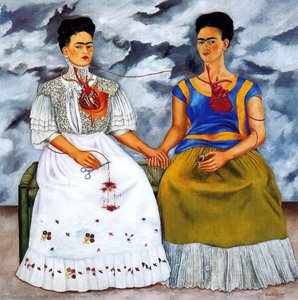
Frida Kahlo is perhaps best known for her self-portraits, which are characterized by their unflinching honesty and symbolic depth. Works like The Two Fridas (1939), a powerful depiction of her dual identity following her divorce from Rivera, showcase her ability to externalize internal conflict through striking visual metaphors. Self-Portrait with Thorn Necklace and Hummingbird (1940) is laden with symbolism – the thorns representing pain, the hummingbird symbolizing hope and resilience, and the black cat a harbinger of bad luck. The Broken Column (1944), a harrowing portrayal of her physical suffering, depicts Frida’s torso split open to reveal a crumbling Ionic column in place of her spine, held together by straps and pierced with nails. Even Henry Ford Hospital (1932), a raw and deeply personal depiction of her miscarriage, demonstrates her willingness to confront taboo subjects with unflinching honesty. These paintings are not simply representations of pain; they are acts of defiance, assertions of selfhood in the face of adversity.
A Lasting Legacy
Frida Kahlo’s influence extends far beyond the realm of art. She was a cultural icon who challenged traditional gender roles and societal expectations through her life and work. Her embrace of Mexican culture and identity helped to elevate its profile on the international stage, and her unflinching portrayal of pain resonated with audiences worldwide, making her a symbol of resilience and strength. She became an important figure for Chicanos in the United States, representing their cultural heritage and struggles. Though she resisted being categorized as a Surrealist, her work shares affinities with the movement’s exploration of the subconscious and dreamlike imagery. Today, Frida Kahlo is celebrated as one of the most important artists of the 20th century, whose legacy continues to inspire generations to embrace their identities, confront adversity, and express themselves authentically. Her art remains a testament to the enduring power of the human spirit to find beauty and meaning even in the darkest of times.
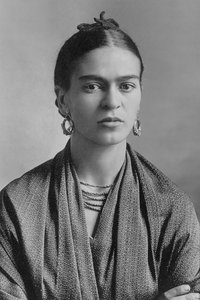
Frida Kahlo
1907 - 1954 , Mexico
Quick Facts
- Artistic Movement Or Style: Surrealism, Folk art
- Artists Or Movements Influenced By This Artist:
- Chicano art
- Feminist artists
- Artists Who Influenced This Artist:
- Mexican folk artists
- European Renaissance painters
- Date Of Birth: July 6, 1907
- Date Of Death: 1954
- Full Name: Magdalena Carmen Frieda Kahlo y Calderón
- Nationality: Mexican
- Notable Artworks:
- The Two Fridas
- Self-Portrait with Thorn Necklace
- The Broken Column
- Henry Ford Hospital
- Place Of Birth: Coyoacán, Mexico

