 Preview
 Send
Send Share
Share
 Details

 Download
 Similars
 X-Ray
X-Ray Diaporama
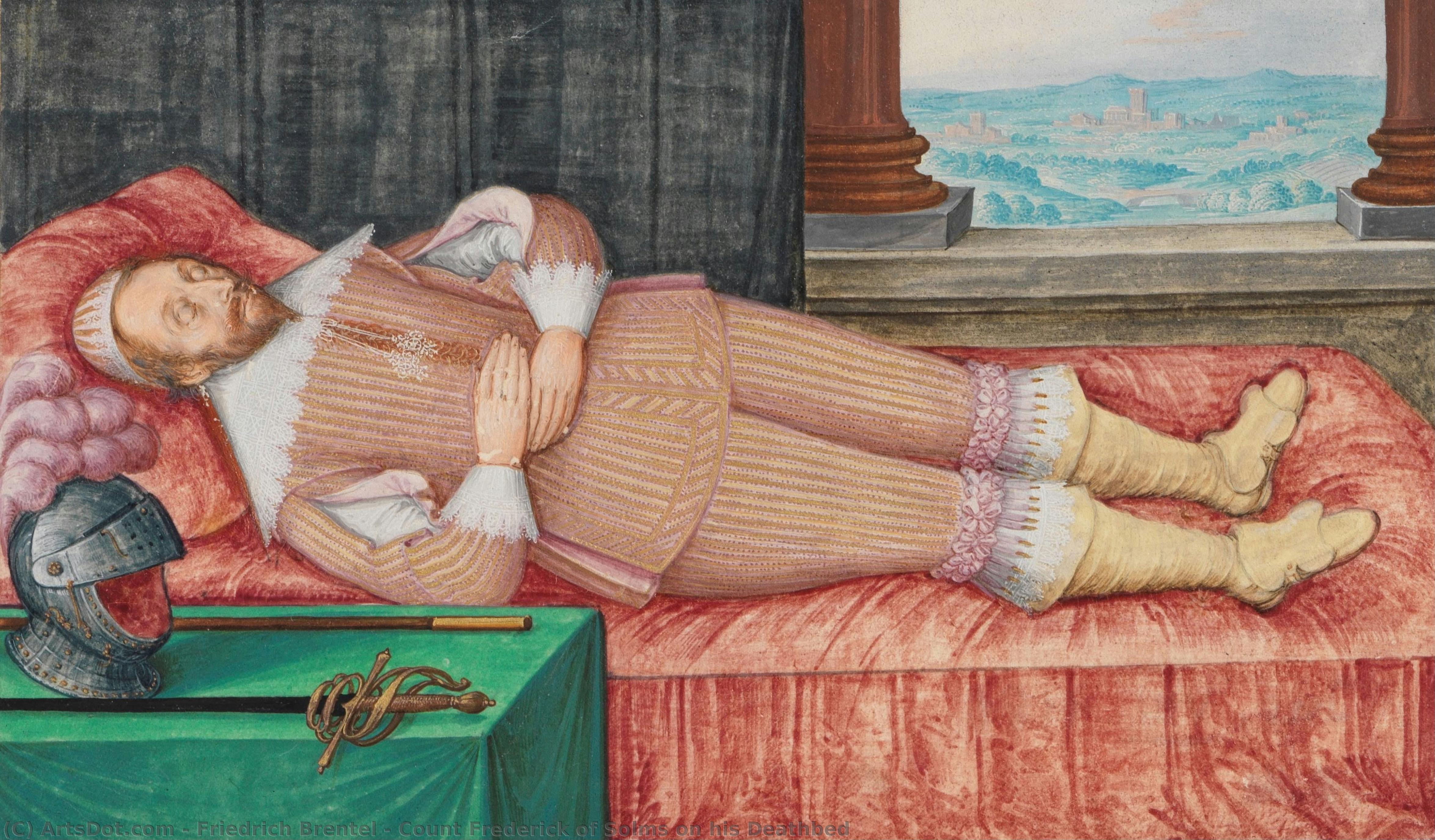
Count Frederick of Solms on his Deathbed


 Read More
Hand Made Oil Reproduction
Hand-painted oil on canvas in your size and frame, made to order by our artists. ( Buy Print Buy Image)




P118B $10

P118H $10

P118W $10

P438Z $10

P508JH $12

P508YH $12

P805H $10

P805Z $10

P919BZ $10

P919G $10

P919XJ $10

P959ZH $10

P968JZ $12

W106C $8

W218G $10

W218JH $8

W218Y $10

W307PJ $10

W316G $10

W316PJ $8

W316Y $10

W398PJ $8

W4111J $10

W500HY $15

W500JH $15

W692G $12

W849H $8

W940BG $15

W953PJ $8




Pick from our preset sizes that match the artwork's original proportions.

You may enter your own dimensions to fit a specific frame or space. If your selected size does not match the original image's proportions, we will either crop the artwork or extend the painting with additional hand-painted elements. A digital mockup will be sent for your approval before production begins.
Please note that the on-screen preview does not reflect the actual cropping or extension. Only the mockup will accurately show the final composition.
While custom sizes are available, we recommend selecting a dimension from the predefined list to preserve the original proportions.
After order, ArtsDot.com team will email client for instructions and provide a mockup preview
Worldwide Delivery () in 3/4 weeks instead of standard 5 weeks. (21 August). No compromise on quality.

Free Worldwide Express Shipping

High-Quality Linen Canvas

Full Shipping Insurance

Customs Tax Refund Guarantee

True Color Matching Guarantee

60-Day Return Policy (Defects Only)

100% Money-Back Guarantee

Bulk Discount Offer
 Glass option is only available in size under 110 CM

Count Frederick of Solms on his Deathbed
Reproduction Medium
Reproduction Size
-


Total Price
$ 263
Artwork Description
A Quiet Departure: The Poignant Stillness of Count Frederick of Solms
In the somber, evocative masterpiece Count Frederick of Solms on his Deathbed, painted in 1635 by Friedrich Brentel, we are invited into a moment of profound transition. The scene captures a heavy, sacred silence, as the noble Count lies in the twilight of his life, eyes closed in a state that oscillates between deep slumber and the final departure. There is an overwhelming sense of intimacy in this chamber; the viewer is not merely an observer but a silent witness to a private, historical passing. The composition is anchored by the weight of the figure, whose stillness commands the room, creating a meditative atmosphere that transcends the boundaries of time.
The artist employs a rich, dramatic color palette dominated by deep reds and warm, shadowed tones, which imbue the setting with an old-fashioned, almost theatrical grandeur. This crimson scheme does more than provide aesthetic warmth; it evokes the vitality of the life being lost while simultaneously suggesting the solemnity of a royal or noble chamber. The light, filtering through the two flanking windows, plays across the textures of the bed linens and the man's pale features, creating a chiaroscuro effect that heightens the emotional tension. This interplay of light and shadow serves to focus our attention on the fragility of human existence amidst the enduring architecture of his estate.
Beyond the central figure, Brentel weaves subtle symbols of status and mortality into the fabric of the room. Near the foot of the bed, a sword rests—a poignant reminder of the Count's earthly duties, his strength, and his lineage. It stands as a silent sentinel of a life defined by honor and perhaps conflict, now rendered motionless by the inevitability of death. Nearby, a simple cup sits close to the man's head, a humble vessel that suggests the physical necessities of care and the lingering presence of those attending to him. These objects act as anchors to reality, grounding the spiritual weight of the scene in the tangible details of 17th-century life.
For the discerning collector or interior designer, this painting offers much more than a historical window; it provides a profound emotional anchor for any space. The work possesses a timeless elegance that can transform a room into a sanctuary of reflection and sophistication. Whether placed in a study, a library, or a grand hallway, a high-quality reproduction of this piece brings with it an aura of dignity and a deep, contemplative energy. It is a conversation piece that invites viewers to pause, to breathe, and to contemplate the beautiful, tragic, and enduring cycle of life.
Related Artworks
Artist Biography
Jan Porcellis: A Master of Maritime Splendor
Born around 1584 in Ghent, Jan Porcellis emerged as a pivotal figure in the burgeoning world of Dutch marine painting during the early 17th century. While his origins lie within the Flemish artistic tradition – a lineage deeply rooted in the rich tapestry of Antwerp’s workshops – Porcellis ultimately established himself as a leading artist in Holland, leaving behind a legacy defined by its dramatic seascapes and meticulous depictions of maritime life. His work represents a crucial bridge between the intensely colorful, theatrical styles of his early influences and the more restrained, atmospheric approach that would characterize later generations of Dutch marine painters. Porcellis’s career unfolded against a backdrop of significant change; the decline of Antwerp as an artistic center and the rise of Amsterdam as a commercial and cultural hub provided both challenges and opportunities for artists seeking to establish their reputations.
Early influences on Porcellis's style are readily apparent in his early works, particularly those created during his time in Italy. The dramatic lighting and dynamic compositions reminiscent of Paolo Veronese’s grand scenes – the opulent feasts, bustling marketplaces, and allegorical narratives – clearly informed his approach to landscape painting. However, Porcellis quickly developed a distinct voice, moving beyond mere imitation and incorporating elements of Flemish realism and a growing interest in capturing the subtle nuances of light and atmosphere. His meticulous attention to detail, particularly in rendering fabrics, rigging, and the textures of ships’ hulls, distinguishes him from his contemporaries.
Porcellis's most celebrated works depict scenes of modest fishing boats navigating choppy seas near the shore. These seemingly simple compositions are imbued with a remarkable sense of drama and realism. He masterfully conveyed the power of the ocean through carefully observed details – the swirling foam, the shifting light on the water’s surface, and the billowing sails of the vessels. Crucially, Porcellis wasn't simply painting ships at sea; he was capturing the *experience* of being at sea—the vulnerability of man against nature’s force, the quiet dignity of labor, and the ever-present threat of the elements. His work reflects a fascination with oriental carpets, which were highly prized possessions in Dutch households during this period, often depicted within his scenes adding layers of symbolism and social commentary.
The Influence of Venetian Grandeur
Porcellis’s artistic journey was profoundly shaped by his exposure to the grandeur of Venice. During a period of exile from Holland, he spent time in Italy, immersing himself in the vibrant art scene of the city. The influence of Paolo Veronese is particularly evident in Porcellis's later works, characterized by their expansive compositions, rich color palettes, and theatrical lighting effects. However, unlike Veronese’s often overtly celebratory depictions of courtly life, Porcellis’s seascapes possess a quieter, more contemplative quality. He retained a distinctly Dutch sensibility, prioritizing realism and meticulous detail over the flamboyant exuberance of his Venetian predecessors.
The Venetian influence is not merely stylistic; it also extended to Porcellis's compositional techniques. He adopted Veronese’s habit of employing aerial perspective – creating a sense of depth through subtle variations in color and tone – to convincingly render the vastness of the sea and sky. Furthermore, he skillfully utilized light and shadow to create dramatic contrasts, emphasizing the power of the ocean and the vulnerability of human endeavors.
A Dutch Master’s Legacy
Despite his international travels and exposure to diverse artistic traditions, Jan Porcellis remained firmly rooted in the Dutch artistic landscape. His work exemplifies the burgeoning interest in naturalistic marine painting that emerged during the early 17th century – a period marked by increased trade with Asia and a growing appreciation for the beauty of the Dutch coastline. Porcellis’s meticulous attention to detail, combined with his masterful use of light and color, established him as one of the foremost marine painters of his time.
His influence extended beyond his own lifetime, inspiring subsequent generations of Dutch artists who sought to capture the drama and beauty of the sea. The Suffolk Collection at Kenwood House in London – comprising nine portraits by Porcellis – stands as a testament to his artistic skill and enduring legacy. While relatively few of his paintings survive today, they continue to captivate viewers with their dramatic compositions, meticulous detail, and evocative portrayal of maritime life. Jan Porcellis’s contribution to the history of art is not merely that of a skilled painter; it's the story of an artist who bridged artistic traditions and helped shape the development of Dutch marine painting for centuries to come.
William Larkin: The Portraitist of Jacobean England
Born in London around 1580, William Larkin emerged as a prominent portrait painter during the reign of James I. He quickly gained recognition for his remarkably detailed and lifelike depictions of courtiers and gentry, capturing not only their physical appearances but also their personalities and social standing. Larkin’s portraits are distinguished by their meticulous attention to detail—particularly in rendering fabrics, jewelry, and hairstyles—reflecting a fascination with the opulent fashions of the Jacobean era.
Unlike many portrait painters of his time who relied on idealized representations, Larkin embraced realism, meticulously documenting the textures, folds, and embellishments of clothing. His portraits are replete with intricate details – lace collars, embroidered sleeves, jeweled belts, and elaborate hairstyles—creating a vivid sense of the material wealth and social status of his subjects. Larkin’s skill in capturing subtle nuances of expression—a flicker of amusement, a hint of melancholy—further enhanced the psychological depth of his portraits.
While Larkin's career was tragically cut short by illness at the age of 39, he left behind a significant body of work that continues to be admired for its technical brilliance and artistic insight. His portraits offer invaluable glimpses into the lives and fashions of the English court during the early 17th century, providing a rich source of information about social customs, material culture, and the prevailing aesthetic sensibilities of the time. Larkin’s legacy lies not only in his individual paintings but also in his contribution to the development of portraiture as a genre—a testament to his skill and artistic vision.
Paolo Veronese: The Architect of Venetian Spectacle
Born Paolo Caliari in Verona around 1528, Paolo Veronese quickly established himself as one of the most celebrated artists of the High Renaissance and early Baroque periods. His career spanned over six decades, during which he produced a vast and diverse body of work encompassing frescoes, altarpieces, portraits, mythological scenes, and historical narratives. Veronese’s art is inextricably linked to the idea of opulence and splendor in Renaissance Venice—a city renowned for its wealth, power, and artistic patronage.
Veronese's paintings are characterized by their grandiose scale, dramatic compositions, and lavish use of color and ornamentation. He masterfully employed techniques such as *trompe-l’oeil* (fool the eye) to create illusions of depth and space, blurring the boundaries between reality and representation. His scenes often depict elaborate feasts, bustling marketplaces, and allegorical processions—populated by a diverse array of figures dressed in sumptuous attire and engaged in lively activities.
Veronese's influence extended far beyond his own lifetime. He was admired by contemporaries such as Michelangelo and Raphael, and his work served as a model for generations of artists. His paintings continue to captivate viewers with their vibrant colors, dynamic compositions, and evocative portrayal of Venetian life—a testament to his artistic genius and enduring legacy.
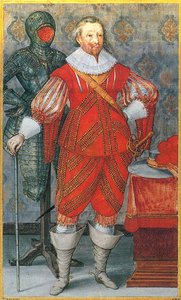
friedrich brentel
1580 - 1651 , Germany
Quick Facts
- Artistic Movement Or Style: Jacobean portraiture
- Artists Who Influenced This Artist: ['None],\n "Artists or movements influenced by this artist": [None']
- Date Of Birth: Early 1580s
- Date Of Death: 1619
- Full Name: William Larkin
- Nationality: English
- Notable Artworks: ['Suffolk Collection portraits']
- Place Of Birth: London, England
Related Articles

Crimson Threads of Narrative: Exploring Symbolism & Representation in Artworks Featuring the Red Dress
Explore the rich symbolism of the red dress in art history! From ancient power displays to iconic portraits like Cézanne’s 'Madame Cezanne', discover the cultural and artistic significance behind this captivating color. Expert analysis & insights.

Mark Rothko's Masterpieces: 25 Paintings That Define Abstract Expressionism | ArtsDot
Explore 25 iconic Mark Rothko paintings that define Abstract Expressionism. Discover the stories, colors & emotions behind these masterpieces. Find museum-quality art reproductions and curated decor ideas at ArtsDot.com.
Henri Matisse's Masterpieces: Explore 25 Iconic Paintings & Art Decor Ideas
Journey through Henri Matisse's 25 most iconic paintings! Explore Fauvism, vibrant colors & the stories behind masterpieces like 'The Dance'. Find museum-quality art reproductions and curated decor ideas to elevate your space. Discover all masterpieces on ArtsDot.com.
Edvard Munch's Masterpieces: 25 Iconic Paintings for Art Lovers | ArtsDot
Explore 25 iconic Edvard Munch paintings, from 'The Scream' to lesser-known masterpieces. Discover the stories behind Expressionism’s most emotional works & find museum-quality art reproductions for your home at ArtsDot.com.
Francis Bacon's Masterpieces: Exploring 25 Iconic Paintings | ArtsDot
Delve into the haunting world of Francis Bacon with ArtsDot. Explore 25 iconic paintings, from his visceral portraits to powerful triptychs. Discover the stories behind these masterpieces & find museum-quality art reproductions for your home. Explore the full collection online!