

 Preview
 Send
Send Share
Share
 Details

 Download
 Similars
 X-Ray
X-Ray Diaporama
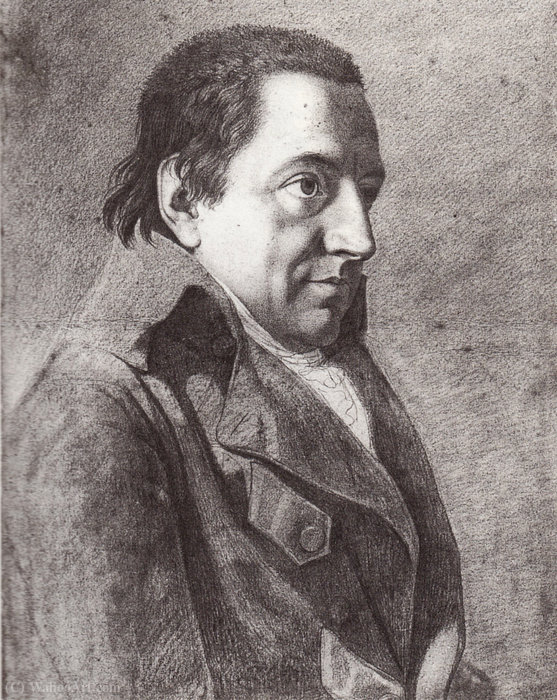
Johann gottlieb fichte

 Read More
Purchase a high-resolution, enhanced digital image, far superior to the online preview.
Each file is meticulously prepared by our in-house specialists using advanced tools and expert manual retouching. We ensure every image has exceptional clarity, precise color accuracy, and fine detail.
The final file is delivered via email within 72 hours, optimized for immediate use in professional, editorial, and print environments. This is the same quality trusted by top-tier design studios, publishers, and galleries.
Digital Image
Download a high-resolution file for personal display, printing, and creative projects. ( Buy Print Buy Hand Made Painting)
Included in Every Digital Image Order
Expert Digital Delivery, Guaranteed
When you choose ArtsDot.com, you're not just getting an image - you're receiving a professionally enhanced digital artwork, crafted with precision and backed by a satisfaction guarantee. Here's everything that comes with your order, automatically:

Fast Email Delivery
Your high-resolution digital image file will be emailed to you within 72 hours of ordering - ready for immediate use.

AI-Enhanced Digital File
Your artwork is professionally optimized using advanced AI tools and manual editing, ensuring maximum detail, clarity, and color accuracy.

Free Lifetime Re-Delivery
Accidentally deleted or lost your file? No worries - we'll resend it to you anytime, free of charge.

No Import Fees - Ever
Enjoy your artwork instantly with zero customs, duties, or delivery fees - digital downloads are always tax-free.

Color Accuracy Guarantee
We ensure your digital image reflects the original colors as closely as possible using professional tools and color management.

60-Day Satisfaction Guarantee
If you're not satisfied with your digital image, we'll revise it or refund 100% within 60 days - no questions asked.

100% Money-Back Guarantee
Not satisfied? Get a full refund within 60 days of receiving your digital file - no questions asked.

Bulk Order Discounts
Buy 3 images, save 10% - Buy 5, save 15% - Buy 10+, save 20%. Great for creative projects, galleries, and agencies.
Related Artworks
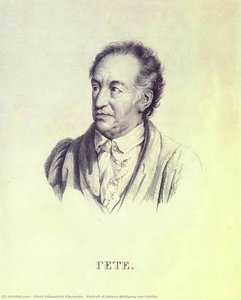
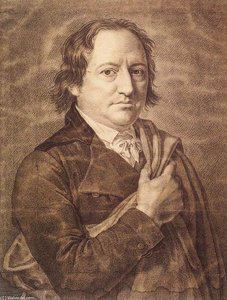
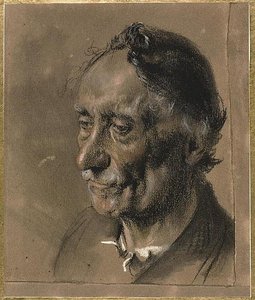
Artist Biography
George Morland: A Life Painted in Shadow and Light
Born in London on June 26, 1763 (or possibly May 26th, according to his own account), George Morland’s life was a turbulent tapestry woven with threads of prodigious talent, dissolute living, and ultimately, premature death. His early years were marked by an apprenticeship under his father, Henry Morland, a painter who dabbled in portraiture, fantasy scenes, restoration work, and even forgery – a profession that undoubtedly shaped young George’s understanding of the art market and its potential for deception. This familial legacy instilled within him both a remarkable artistic skill and a somewhat dubious moral compass.
Morland's career began with an astonishing output, producing hundreds of works despite a lifestyle characterized by excessive drinking, gambling debts, and frequent periods of imprisonment. He specialized in small-scale genre scenes, primarily depicting rural life – not the idealized pastoralism of his contemporaries, but rather the gritty realities of taverns, stables, and market squares. These weren’t grand landscapes or heroic narratives; instead, he captured fleeting moments of everyday existence: a group of dogs huddled together for warmth, a drunken brawl in a public house, a horse-drawn cart struggling through muddy lanes. His subjects were largely drawn from the lower classes – stable boys, laborers, and itinerant merchants – offering a rare glimpse into the lives of those often overlooked by the art world.
While his technical skill is undeniable—Morland possessed a remarkable ability to capture light and tone with a spirited, almost frenetic brushstroke—his work is frequently uneven in quality. Some pieces are remarkably vibrant and full of life, while others feel hastily executed. However, it’s precisely this inconsistency that contributes to the enduring fascination with Morland's oeuvre. His paintings became immensely popular during his lifetime, fueled by a network of dealers and printmakers who exploited his prolific output. Numerous prints were produced after his work, some even created by his brother-in-law, William Ward, further amplifying his fame – and contributing to the problem of forgery.
The Influence of John Raphael Smith and the Print Trade
George Morland’s success was inextricably linked to the burgeoning print trade. He collaborated extensively with John Raphael Smith (1752–1812), a prominent engraver and publisher, who recognized Morland's talent and established a lucrative partnership. Smith acted as Morland’s agent, overseeing the production of prints based on his paintings – often without Morland’s direct involvement or compensation. This arrangement significantly boosted Morland’s income but also raised questions about authorship and artistic control.
The print trade played a crucial role in disseminating Morland's work to a wider audience, transforming his small-scale genre scenes into affordable commodities. These prints were incredibly popular, particularly among the middle classes who could not afford the original paintings. The demand for Morland’s images fueled a wave of imitation and forgery, further complicating the issue of authenticity and contributing to the artist's somewhat tarnished reputation.
Furthermore, Smith’s influence extended beyond simply producing prints; he also introduced Morland to the world of theatrical scenery design. This experience likely informed Morland’s depictions of crowded interiors and dynamic group compositions, elements that are evident in his later works.
A Complex Legacy: Talent and Scandal
George Morland's life was marked by a profound contradiction between his artistic talent and his personal conduct. He was a gifted painter who captured the essence of everyday life with remarkable immediacy, yet he lived a life of extravagance and irresponsibility, accumulating significant debts and facing repeated imprisonment. This duality has fueled ongoing debate about Morland’s legacy – is he primarily remembered as a brilliant artist or as a cautionary tale of excess?
Contemporary critics often viewed Morland's lifestyle with disapproval, associating his dissolute behavior with the decline of artistic standards. However, later scholars have recognized the significance of Morland’s work in documenting the realities of rural life and offering a sympathetic portrayal of marginalized communities. His paintings provide valuable insights into the social and economic conditions of 18th-century England.
The artist died suddenly on October 29, 1804, at the age of forty-one, leaving behind a vast body of work that continues to fascinate and intrigue art historians today. His premature death, shrouded in speculation about illness and possibly poisoning, only added to the mystique surrounding his life and career.
Morland’s Influence and Artistic Connections
Despite the controversies surrounding his personal life, George Morland exerted a subtle but discernible influence on other artists of his time. His dynamic compositions, particularly those featuring groups of figures, resonated with painters like Thomas Girtin, who incorporated similar elements into his own works. The connection between Morland and Girtin is further evidenced by the collaboration on *The Earth Stopper*, an etching that showcases a shared interest in capturing fleeting moments of everyday life.
Furthermore, Morland’s work served as a model for printmakers, who sought to emulate his distinctive style and technique. The popularity of his prints contributed to the development of the genre of topographical prints, which depicted scenes of English landscapes and towns. The legacy of George Morland is therefore intertwined with that of the print trade itself, demonstrating how an artist’s work can transcend its original medium and exert a lasting impact on the broader art world.
Morland's paintings remain valuable examples of British genre painting, offering a unique window into the social and cultural landscape of early 19th-century England. His distinctive style and evocative imagery continue to captivate viewers today, solidifying his place as one of the most intriguing and enduring figures in British art history.
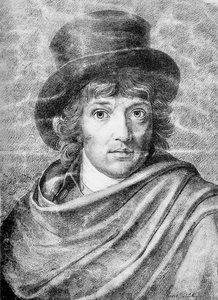
friedrich bury
1763 - 1823 , Germany
Quick Facts
- Artistic Movement Or Style: Genre painting
- Artists Or Movements Influenced By This Artist:
- William Ward
- Thomas Girtin
- Artists Who Influenced This Artist: ['Henry Morland']
- Date Of Birth: June 26, 1763
- Date Of Death: Oct. 29, 1804
- Full Name: George Morland
- Nationality: English
- Notable Artworks:
- Mail Coach in a Storm
- Dogs Hesitating
- Sheep in a Landscape
- Place Of Birth: London, England

