 Preview
 Send
Send Share
Share
 Details

 Download
 Similars
 X-Ray
X-Ray Diaporama
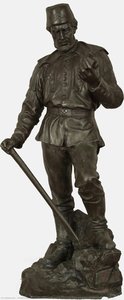
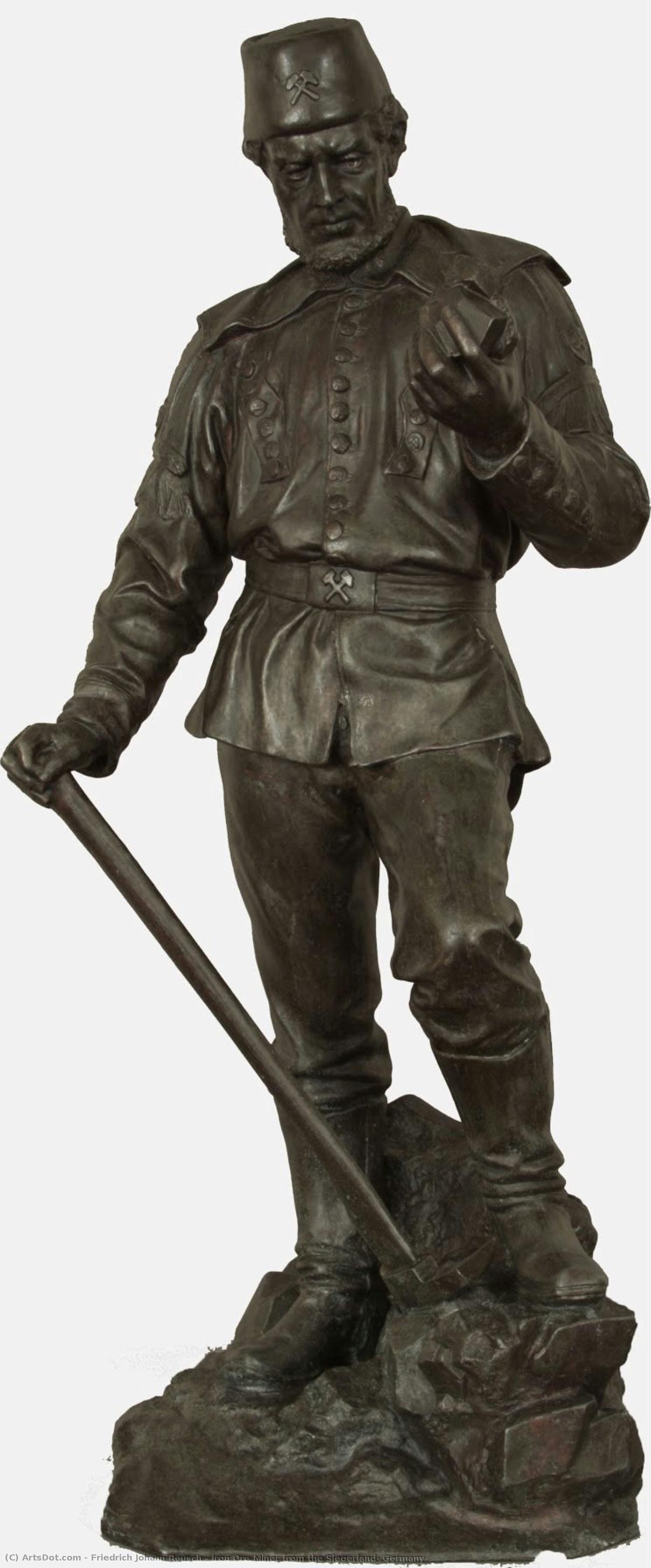
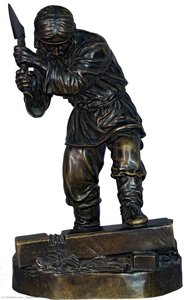
Iron Ore Miner from the Siegerland, Germany


 Read More
Giclée / Art Print
Museum-quality giclée or canvas print with fast production and flexible finish options. ( Buy Hand Made Painting Buy Image)




































Pick from our preset sizes that match the artwork's original proportions.

You may enter your own dimensions to fit a specific frame or space. If your selected size does not match the original image's proportions, we will either crop the artwork or extend the image with a mirrored or solid-fill edge. A digital mockup will be sent for your approval before production begins.
Please note that the on-screen preview does not reflect the actual cropping or extension. Only the mockup will accurately show the final composition.
While custom sizes are available, we recommend selecting a dimension from the predefined list to preserve the original proportions.
Worldwide Delivery () in 2 weeks instead of standard 4/5 weeks. (24 August)

Free Worldwide Express Shipping

High-Quality Linen Canvas

Full Shipping Insurance

Customs Tax Refund Guarantee

True Color Matching Guarantee

60-Day Return Policy (Defects Only)

100% Money-Back Guarantee

Bulk Discount Offer
 Glass option is only available in size under 110 CM

Iron Ore Miner from the Siegerland, Germany
Giclée / Art Print
Reproduction Size
-


Total Price
$ 63
Related Artworks






Artist Biography
Friedrich Johann Reusch: Sculptor of Prussian Grandeur
Friedrich Johann Reusch (1843-1906) stands as a prominent figure in German sculpture during the late 19th century, embodying the neoclassical ideals that sought to reconcile classical form with Romantic emotion. Born in Siegen, Germany—a region steeped in mining heritage—Reusch’s artistic journey began amidst humble beginnings but swiftly ascended toward recognition within Prussia's cultural elite. His father, a master carpenter, instilled in him an appreciation for craftsmanship and precision, shaping his formative years before he pursued his passion for art at the Berlin Academy of Arts.- Early Influences & Training: Reusch’s decision to abandon carpentry for sculpture was decisively guided by August Kiss, a sculptor who recognized his innate talent and encouraged him to immerse himself in Roman artistic traditions. This formative period at the academy honed his technical skills and exposed him to the stylistic currents of the time—particularly the influence of Albert Wolff, with whom he collaborated on monumental equestrian sculptures.
- Roman Scholarship & Artistic Transformation: A prestigious scholarship from the Michael Beer Foundation propelled Reusch’s studies into Rome in 1872, marking a pivotal moment in his artistic development. Surrounded by masterpieces of antiquity and Renaissance art, he absorbed the principles of classical sculpture, refining his technique and broadening his creative vision.
Major Sculptural Achievements: Monumental Works & Artistic Expression
Reusch’s prolific output encompassed both ambitious public commissions and intimate portraits, reflecting a remarkable versatility within the neoclassical aesthetic. His contribution to the Belle-alliance Bridge (now Halle Gate Bridge) – specifically the ‘Market Traffic’ group—demonstrates his mastery of monumental sculpture, capturing dynamic movement and conveying a sense of civic pride. Similarly, ‘The Demon of Steam,’ commissioned for the Technical University of Berlin, exemplifies Reusch's ability to fuse classical form with industrial imagery, foreshadowing the burgeoning fascination with technology in the era.- Royal Commissions: He achieved considerable renown through his depictions of monarchs—most notably the statues of Albert, Duke of Prussia and Kaiser Wilhelm I—which stand proudly outside Königsberg Castle as enduring symbols of Prussian power and prestige.
- Königsberg’s Artistic Legacy: Reusch's tenure at Königsberg Academy cemented his reputation as a pedagogue and artistic innovator. His sculptures graced numerous public buildings, showcasing his dedication to elevating the visual arts within the region.
A Life Dedicated to Art & Craftsmanship
Despite facing health challenges beginning in 1900—necessitating a hiatus from teaching—Reusch continued to sculpt until his untimely death in Sicily in 1906, accompanied by his housekeeper Rosa. He was buried in Siegen, alongside several of his sculptures, including the Soldiers’ Monument and the equestrian statue of Wilhelm I – tangible reminders of his artistic legacy. His enduring influence extends beyond his individual creations; he fostered a generation of sculptors who embraced classical ideals while retaining an expressive spirit, securing his place as one of Prussia's most celebrated artists.Historical Significance & Artistic Legacy
Reusch’s sculptures embody the grandeur and intellectual fervor of the Wilhelmine era—a period characterized by imperial ambition and artistic experimentation. His work stands as a testament to the enduring power of neoclassical sculpture to convey both formal elegance and emotional depth, continuing to inspire artists and scholars alike. He remains an important figure in German art history, representing a harmonious blend of tradition and innovation that solidified Prussia’s cultural identity.
friedrich johann reusch
1843 - 1906 , Germany
Quick Facts
- Artistic Movement Or Style: Neoclassical & expressive
- Artists Or Movements Influenced By This Artist: ['Romanticism']
- Artists Who Influenced This Artist: ['August Kiss']
- Date Of Birth: September 5, 1843
- Date Of Death: October 15, 1906
- Full Name: Johann Friedrich Reusch
- Nationality: German
- Notable Artworks:
- Marktverkehr
- Der dämon des dampfes
- Albert, duke of Prussia
- Kaiser Wilhelm I
- Place Of Birth: Siegen, Germany