 Preview
 Send
Send Share
Share
 Details

 Download
 Similars
 X-Ray
X-Ray Diaporama
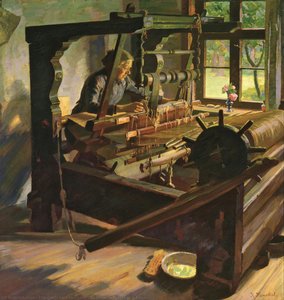
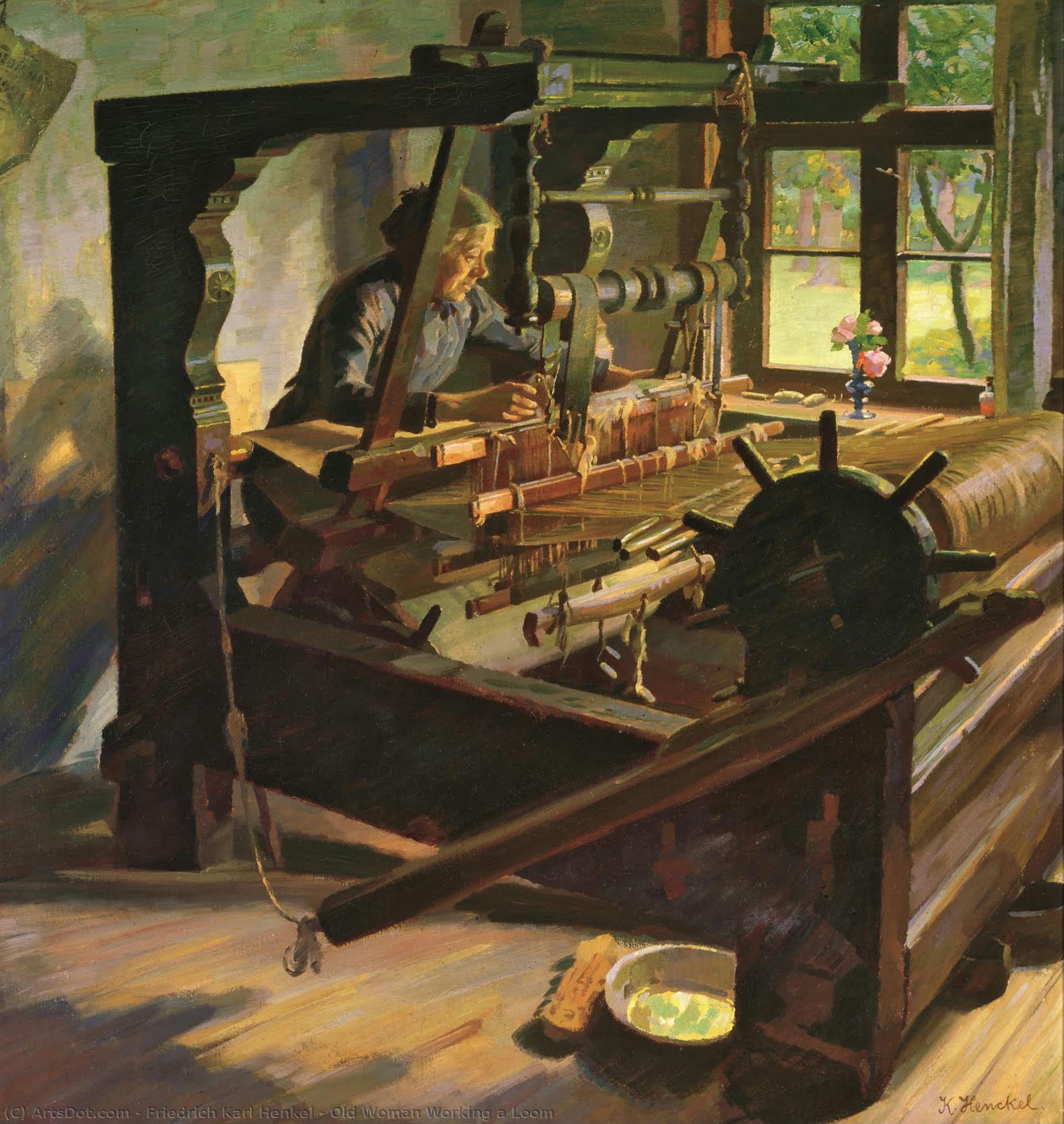
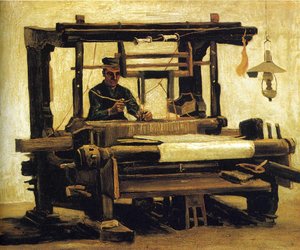
Old Woman Working a Loom


 Read More
Hand Made Oil Reproduction
Hand-painted oil on canvas in your size and frame, made to order by our artists. ( Buy Print Buy Image)




































Pick from our preset sizes that match the artwork's original proportions.

You may enter your own dimensions to fit a specific frame or space. If your selected size does not match the original image's proportions, we will either crop the artwork or extend the painting with additional hand-painted elements. A digital mockup will be sent for your approval before production begins.
Please note that the on-screen preview does not reflect the actual cropping or extension. Only the mockup will accurately show the final composition.
While custom sizes are available, we recommend selecting a dimension from the predefined list to preserve the original proportions.
After order, ArtsDot.com team will email client for instructions and provide a mockup preview
Worldwide Delivery () in 3/4 weeks instead of standard 5 weeks. (22 August). No compromise on quality.

Free Worldwide Express Shipping

High-Quality Linen Canvas

Full Shipping Insurance

Customs Tax Refund Guarantee

True Color Matching Guarantee

60-Day Return Policy (Defects Only)

100% Money-Back Guarantee

Bulk Discount Offer
 Glass option is only available in size under 110 CM

Old Woman Working a Loom
Reproduction Medium
Reproduction Size
-


Total Price
$ 263
Related Artworks







Artist Biography
Friedrich Karl Henkel: Entrepreneur, Philanthropist, and Patron of the Arts
- Born: March 17, 1842, Voel, Germany
- Died: July 30, 1929
Friedrich Karl Henkel (also known as Karl Henckel) was a significant German entrepreneur and industrialist whose life intertwined with both commercial success and philanthropic endeavors. Born in Voel near Kassel, Germany, his early experiences shaped his future career trajectory. Moving to Elberfeld at the age of 17, he began working for Gebrüder Gessert, a manufacturer of paints, varnishes, and chemicals – an introduction that proved formative.
Early Career & Industrial Rise
- Early Chemical Industry Involvement: Henkel's partnership in Henkel und Streb in 1874 marked the beginning of his ascent within the chemical industry.
- Relocation and Expansion: The company’s moves to Aachen (1876) and then Düsseldorf (1878) were pivotal moments, culminating in the construction of a factory at Düsseldorf-Flingern by 1880. This expansion led to substantial turnover exceeding one million Deutschmarks.
- Focus on Detergents & Isinglass: Initially, Henkel’s focus within the company centered around detergent and isinglass production, demonstrating an early understanding of consumer needs.
Henkel's business acumen was evident in his ability to manage and expand operations effectively, establishing a strong foundation for future growth.
Philanthropic Contributions & Social Responsibility
- Worker Welfare: Henkel distinguished himself through significant philanthropic efforts directed towards the well-being of retired workers.
- Libraries & Pensions: He implemented programs providing libraries and pensions within workplaces, demonstrating a commitment to social responsibility uncommon for industrialists of his time.
- Humanitarian Approach: This focus on employee welfare underscored Henkel’s compassionate approach to business leadership.
His dedication to improving the lives of his workers set him apart as an ethical and socially conscious industrialist.
Artistic Connections & Legacy
- Museo delle Cappelle Medicee: Henkel's association with the Museo delle Cappelle Medicee in Florence, Italy, a renowned center for Renaissance art, suggests an appreciation for artistic heritage.
- Influence of Renaissance Art: The museum’s collection, featuring works by masters like Albrecht Dürer (Self-Portrait at 22) and Jan van de Cappelle (Calm), likely influenced his aesthetic sensibilities and perhaps even informed his philanthropic choices.
- Lasting Impact: While primarily recognized for his industrial achievements, Henkel’s legacy extends to the realm of art through his support and connection with cultural institutions.
Friedrich Karl Henkel's life represents a unique blend of entrepreneurial success, social responsibility, and an appreciation for artistic beauty. His contributions to both industry and society solidify his place as a significant figure in German history.
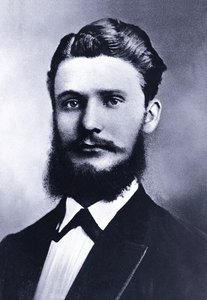
Friedrich Karl Henkel
1842 - 1929 , Germany
Quick Facts
- Date Of Birth: March 17, 1842
- Date Of Death: July 30, 1929
- Full Name: Friedrich Karl Henkel
- Nationality: German
- Notable Artworks:
- Albrecht Dürer's self-portrait
- Jan van de Cappelle’s calm
- Place Of Birth: Vöhl, Germany