

 Preview
 Send
Send Share
Share
 Details

 Download
 Similars
 X-Ray
X-Ray Diaporama
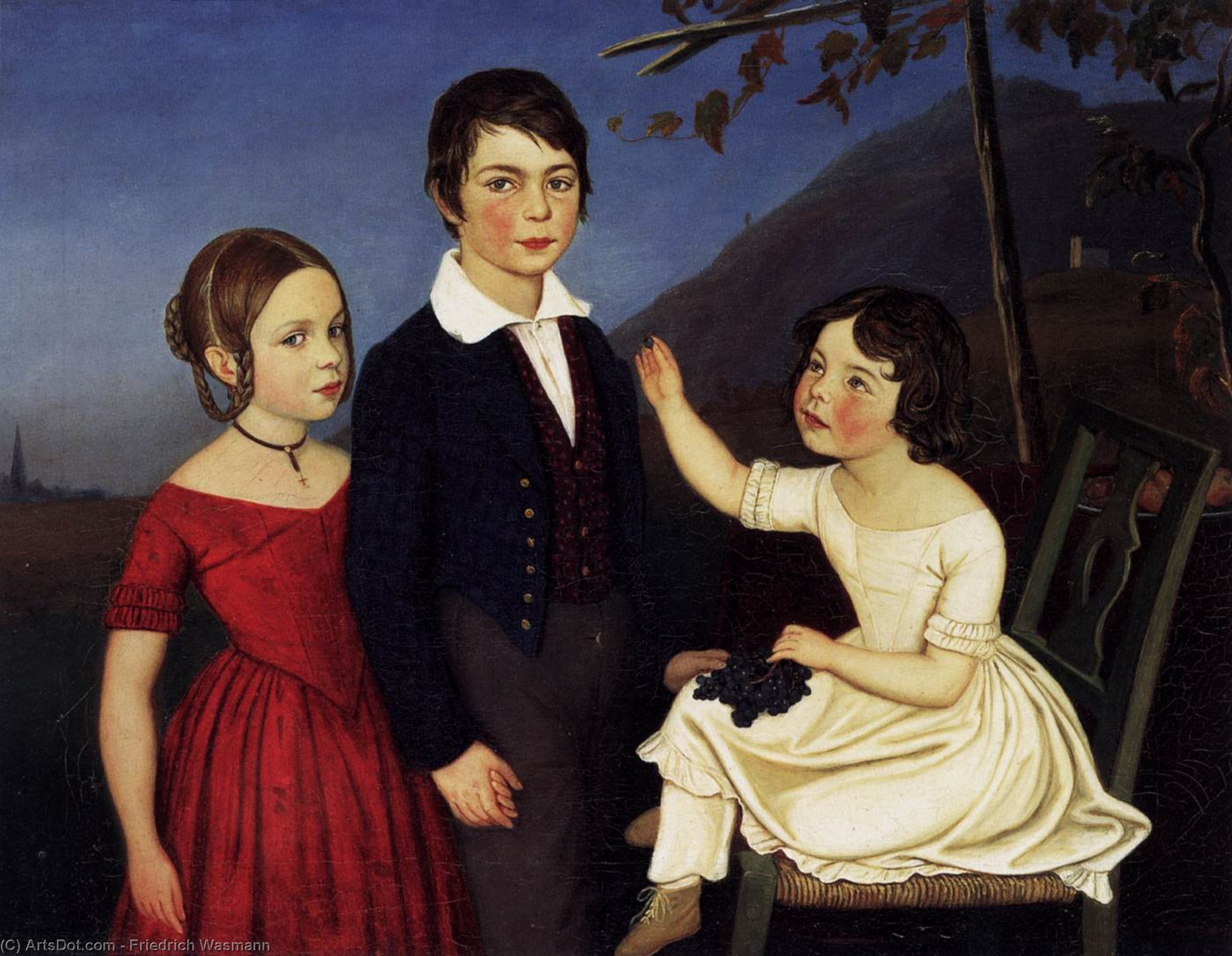
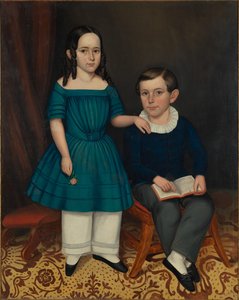
Paul, Maria, and Filomena von Putzer
 Oil On Canvas
- WallArt
- Biedermeier realism
 1870
1870- 19th Century
 38.0 x 49.0 cm
 Nationalgalerie
 Read More
Purchase a high-resolution, enhanced digital image, far superior to the online preview.
Each file is meticulously prepared by our in-house specialists using advanced tools and expert manual retouching. We ensure every image has exceptional clarity, precise color accuracy, and fine detail.
The final file is delivered via email within 72 hours, optimized for immediate use in professional, editorial, and print environments. This is the same quality trusted by top-tier design studios, publishers, and galleries.
Digital Image
Download a high-resolution file for personal display, printing, and creative projects. ( Buy Print Buy Hand Made Painting)
Included in Every Digital Image Order
Expert Digital Delivery, Guaranteed
When you choose ArtsDot.com, you're not just getting an image - you're receiving a professionally enhanced digital artwork, crafted with precision and backed by a satisfaction guarantee. Here's everything that comes with your order, automatically:

Fast Email Delivery
Your high-resolution digital image file will be emailed to you within 72 hours of ordering - ready for immediate use.

AI-Enhanced Digital File
Your artwork is professionally optimized using advanced AI tools and manual editing, ensuring maximum detail, clarity, and color accuracy.

Free Lifetime Re-Delivery
Accidentally deleted or lost your file? No worries - we'll resend it to you anytime, free of charge.

No Import Fees - Ever
Enjoy your artwork instantly with zero customs, duties, or delivery fees - digital downloads are always tax-free.

Color Accuracy Guarantee
We ensure your digital image reflects the original colors as closely as possible using professional tools and color management.

60-Day Satisfaction Guarantee
If you're not satisfied with your digital image, we'll revise it or refund 100% within 60 days - no questions asked.

100% Money-Back Guarantee
Not satisfied? Get a full refund within 60 days of receiving your digital file - no questions asked.

Bulk Order Discounts
Buy 3 images, save 10% - Buy 5, save 15% - Buy 10+, save 20%. Great for creative projects, galleries, and agencies.
Collectible Description
A Snapshot of Biedermeier Tranquility: “Paul, Maria, and Filomena von Putzer” by Friedrich Wasmann
This exquisite portrait, measuring 38 x 49 cm and dating from 1870, offers a poignant glimpse into the domestic life of the von Putzer family through the skilled hand of German artist Friedrich Wasmann. Painted during the Biedermeier period – a time of quiet reflection and an appreciation for the beauty of everyday scenes – the work embodies the style’s core tenets: a focus on intimate subjects, meticulous detail, and a harmonious blend of naturalism and sentimentality. Wasmann's ability to capture the subtle nuances of childhood innocence is particularly striking, creating a scene that feels remarkably immediate and authentic. The painting’s restrained palette, dominated by muted earth tones and soft blues, further contributes to its serene atmosphere, characteristic of Biedermeier aesthetics which sought to evoke a sense of calm and well-being.The Artist's Hand: Wasmann and the Biedermeier Tradition
Friedrich Wasmann (1805-1886), born in Hamburg, was a key figure within the Biedermeier movement. His artistic journey began with an apprenticeship under Christoffer Suhr, grounding him in the meticulous observation championed by the Hamburg art scene. This training, coupled with formal studies at the Dresden and Munich academies, equipped Wasmann with exceptional technical skills – particularly evident in his precise rendering of light and texture. Notably, Wasmann’s later work was profoundly influenced by his time spent in Merano (Bolzano), Italy, a region that provided him with an unparalleled understanding of Alpine landscapes and the subtle beauty of natural forms. This Italian sojourn is reflected in the painting's careful attention to detail and its evocative portrayal of the surrounding hillside.Subject and Symbolism: A Family Portrait
The scene depicts three young children – Paul, Maria, and Filomena von Putzer – posed within a comfortably furnished interior. The composition is deceptively simple; the children are seated on chairs before a backdrop of a distant landscape, their postures suggesting both engagement and a certain formality. The inclusion of objects like the wine glass and bowl adds to the sense of domesticity, hinting at a leisurely afternoon. While the precise symbolism within the scene remains open to interpretation, it’s likely intended to represent the family's prosperity and social standing – hallmarks of Biedermeier portraiture. The act of pointing from one child to another could symbolize familial connection and playful interaction, capturing a fleeting moment of childhood joy.Technique and Impression: A Masterful Rendering
Wasmann’s technique is characterized by its remarkable precision and attention to detail. His brushwork is smooth and controlled, creating a sense of depth and realism. The artist skillfully employs light and shadow to model the children's forms, emphasizing their youthful features and capturing the subtle textures of their clothing. The painting’s overall impression is one of quiet elegance and understated beauty – a testament to Wasmann’s mastery of the Biedermeier style. This reproduction faithfully recreates the original artwork's nuanced details, offering an exceptional piece for collectors and interior designers alike. NoneRelated Artworks






Artist Biography
The Quiet Observer: The Life and Art of Friedrich Wasmann
Rudolph Friedrich Wasmann (1805–1886) remains one of the most poignant voices of the Biedermeier era, a period defined by its retreat into domestic intimacy and the serene observation of the natural world. Born in the bustling port city of Hamburg, Germany, Wasmann’s artistic soul was shaped early on through a rigorous apprenticeship under the painter Christoffer Suerr. This foundational training instilled in him a lifelong devotion to meticulous detail and a technical precision that would become his hallmark. His journey took him from the influential artistic circles of Hamburg to the prestigious halls of the Dresden Academy of Fine Arts and the Munich Academy of Fine Arts, where he refined his ability to capture the subtle interplay of light, texture, and atmosphere. As his career unfolded, Wasmann’s gaze drifted southward toward the breathtaking landscapes of the Tyrol, a region that would become the spiritual and creative heart of his life. Settling in Merano—now part of Italy—he found himself immersed in an environment that offered both topographical grandeur and a sense of profound tranquility. It was here that his style began to coalesce into a unique synthesis of Biedermeier realism and the spiritual depth of the Nazarene movement.A Synthesis of Spirit and Realism
The period between 1832 and 1835 marked a transformative chapter in Wasmann’s development as he lived in Rome. During these years, he encountered the luminaries of the Nazarene movement, including Friedrich Overbeck and Joseph Anton Koch. This exposure to a community dedicated to religious iconography and spiritual contemplation left an indelible mark on his psyche. His conversion to Catholicism during this time was not merely a personal milestone but a profound artistic pivot; it infused his work with a sense of quiet dignity and moral gravity. Unlike the more theatrical or melodramatic tendencies found in some Romantic contemporaries, Wasmann utilized these influences to pursue a more restrained, meditative beauty. His oeuvre reflects this delicate balance between the earthly and the divine. In his landscapes, one can observe the atmospheric weight of the Alpine scenery, rendered with a clarity that honors the physical world while hinting at a deeper, more contemplative stillness. His portraits, too, embody the Biedermeier ideal of domestic peace. Works such as “Paul, Maria, and Filomena von Putzer” serve as exquisite windows into the private lives of the era, capturing childhood innocence and familial warmth through a palette of muted earth tones and soft, luminous blues.Legacy and Historical Significance
Beyond his canvases, Wasmann’s life was characterized by a deep connection to the regions he inhabited. After years spent working as a portrait painter in Merano and Bolzano, he eventually returned to Hamburg, where he married Emilie Krämer. His legacy is preserved not only in the galleries of the Kunsthalle Hamburg but also through his literary contributions, most notably his popular autobiography, which provides a rare, firsthand glimpse into the life of a nineteenth-century German master. The historical significance of Friedrich Wasmann lies in his ability to navigate the shifting tides of nineteenth-century art—moving from the precision of his early training to the spiritualized realism of his maturity. He remains a vital figure for understanding how the Biedermeier style functioned as a sanctuary of calm amidst the larger, more turbulent movements of European history. His work continues to resonate with those who find beauty in the understated, the intimate, and the eternally serene.- Artistic Movements: Biedermeier Realism, Nazarene Movement
- Key Influences: Christoffer Suhr, Friedrich Overbeck, Joseph Anton Koch
- Notable Locations: Hamburg, Dresden, Munich, Rome, Merano
- Major Themes: Alpine landscapes, religious iconography, domestic portraiture
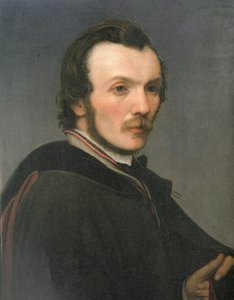
Friedrich Wasmann
1805 - 1886 , Germany
Quick Facts
- Artistic Movement Or Style: Biedermeier Painting
- Artists Or Movements Influenced By This Artist: ['Nazarene Movement']
- Artists Who Influenced This Artist: ['Christoffer Suhr']
- Date Of Birth: Hamburg, Germany (1805)
- Date Of Death: 1886
- Full Name: Rudolph Friedrich Wasmann
- Nationality: German
- Notable Artworks:
- Portrait of Mrs Pastor Hiibbe
- Bildnis Der Frau Pastor Hübbe, Geborener Wasmann
- View from a Window
- Place Of Birth: Hamburg

