 Preview
 Send
Send Share
Share
 Details

 Download
 Similars
 X-Ray
X-Ray Diaporama
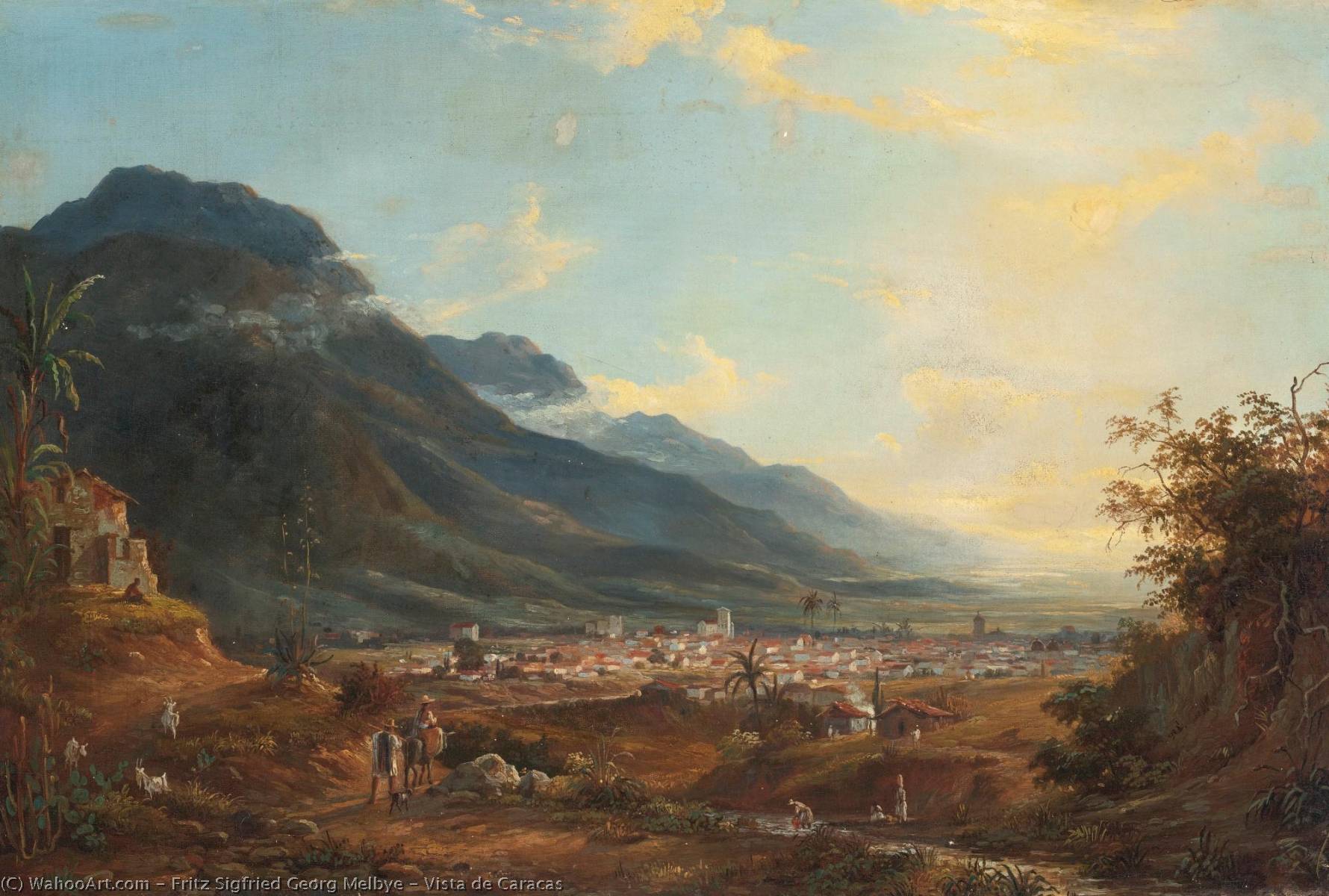
Vista de Caracas
 50.0 x 71.0 cm
 Read More
Hand Made Oil Reproduction
Hand-painted oil on canvas in your size and frame, made to order by our artists. ( Buy Print Buy Image)




































Pick from our preset sizes that match the artwork's original proportions.

You may enter your own dimensions to fit a specific frame or space. If your selected size does not match the original image's proportions, we will either crop the artwork or extend the painting with additional hand-painted elements. A digital mockup will be sent for your approval before production begins.
Please note that the on-screen preview does not reflect the actual cropping or extension. Only the mockup will accurately show the final composition.
While custom sizes are available, we recommend selecting a dimension from the predefined list to preserve the original proportions.
After order, ArtsDot.com team will email client for instructions and provide a mockup preview
Worldwide Delivery () in 3/4 weeks instead of standard 5 weeks. (17 August). No compromise on quality.

Free Worldwide Express Shipping

High-Quality Linen Canvas

Full Shipping Insurance

Customs Tax Refund Guarantee

True Color Matching Guarantee

60-Day Return Policy (Defects Only)

100% Money-Back Guarantee

Bulk Discount Offer
 Glass option is only available in size under 110 CM

Vista de Caracas
Reproduction Medium
Reproduction Size
-


Total Price
$ 263
Related Artworks

Artist Biography
Giovanni Costa (Nino Costa): A Pioneer of Italian Landscape Painting
Giovanni Costa, known affectionately as “Nino” during his lifetime and later celebrated as Giovanni Costa, was a pivotal figure in the development of Italian landscape painting during the 19th century. Born in Rome on October 15, 1826, into a family deeply rooted in commerce – his father, Gioacchino Costa, had established a successful wool-spinning factory – Costa’s artistic journey began unexpectedly, sparked by an introduction to Baron Vincenzo Camuccini, a prominent Neoclassical painter. This early mentorship proved transformative, instilling in him a profound respect for the observation of nature and its meticulous rendering. His life was not solely devoted to art; he also passionately embraced Italian nationalism, actively participating in revolutionary movements, most notably the assault on the Porta Pia during Rome’s liberation in 1870 – an event that cemented his place as a symbol of patriotic fervor. Costa's work reflects this dual commitment: a deep appreciation for the beauty of the Italian countryside interwoven with a fervent desire to contribute to the nation’s unification and independence.Early Life and Artistic Training
Costa’s childhood in Rome, within the opulent surroundings of Piazza San Francesco a Ripa, provided him with an environment rich in cultural stimulation. Following his father's death, he enrolled at the Collegio Bandinelli, receiving instruction from Luigi Durantini, before continuing his studies at the Accademia di San Luca under the tutelage of Francesco Coghetti, Francesco Podesti, and Filippo Agricola – all esteemed artists of the time. These formative years exposed him to a diverse range of artistic styles, including Neoclassicism and burgeoning Romanticism, laying the groundwork for his own distinctive approach. Crucially, he was influenced by the tenets of *macchianato*, a technique championed by the Macchiaioli movement, which emphasized capturing the essence of light and color through broken brushstrokes and vibrant pigments. This influence is particularly evident in his later works, where he skillfully employed this method to convey the atmospheric qualities of the Italian landscape.The Influence of Humboldt and Tropical Visions
A pivotal moment in Costa’s artistic development occurred with his association with Alexander von Humboldt, the renowned naturalist and explorer. Inspired by Humboldt's writings on South America, particularly his emphasis on observing nature directly, Costa embarked on two significant expeditions to Colombia and Ecuador in 1853 and 1857, respectively. These journeys profoundly shaped his artistic vision, leading him to embrace a more expansive and dramatic style reminiscent of the Hudson River School painters. He meticulously documented the vibrant colors, exotic flora, and imposing landscapes of these tropical regions, translating them onto canvas with remarkable detail and intensity. His paintings from this period, such as *The Heart of the Andes* (1859), are monumental in scale and ambition, reflecting both his artistic skill and his deep admiration for Humboldt’s pioneering spirit.A Style Defined by Observation and Patriotism
Costa's distinctive style is characterized by a meticulous attention to detail, a masterful use of color, and an evocative portrayal of the Italian countryside. He frequently depicted scenes of rural life – shepherds tending their flocks, farmers working in the fields, and humble villages nestled amidst rolling hills – capturing not only the physical beauty of these landscapes but also the spirit of the people who inhabited them. His work is imbued with a strong sense of patriotism, reflecting his unwavering belief in Italian unity and independence. The dramatic lighting, dynamic compositions, and vibrant colors employed in many of his paintings convey a powerful emotional response to the natural world and the nation’s history. He was particularly admired by English and American artists, including Elihu Vedder and Matthew Ridley Corbet, who recognized in his work a fresh approach to landscape painting that resonated with their own artistic sensibilities.Legacy and Historical Significance
Giovanni Costa's contribution to Italian landscape painting is undeniable. He bridged the gap between Neoclassicism and Romanticism, embracing the principles of *macchianato* while simultaneously adopting a more expansive and dramatic style influenced by his travels in South America. His paintings served as an inspiration for subsequent generations of Italian artists, and his legacy continues to be celebrated today. Costa’s commitment to both artistic innovation and patriotic ideals solidified his place as a significant figure in 19th-century Italy – a painter who not only captured the beauty of his homeland but also actively participated in its struggle for independence. His work remains a testament to the power of art to inspire, provoke, and shape national identity.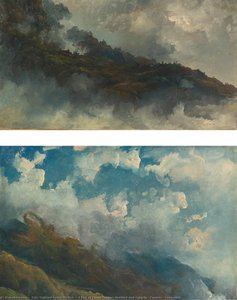
fritz sigfried georg melbye
1826 - 1896 , Denmark
Quick Facts
- Artistic Movement Or Style: Landscape painting
- Artists Or Movements Influenced By This Artist: ['Macchiaioli']
- Artists Who Influenced This Artist:
- Vincenzo Camuccini
- Luigi Durantini
- Francesco Coghetti
- Francesco Podesti
- Filippo Agricola
- Date Of Birth: 15 Oct 1826
- Date Of Death: 31 Jan 1903
- Full Name: Giovanni Costa (Nino Costa)
- Nationality: Italian
- Notable Artworks: ["Donne sulla spiaggia di Porto d'Anzio"]
- Place Of Birth: Rome, Italy