 Preview
 Send
Send Share
Share
 Details

 Download
 Similars
 X-Ray
X-Ray Diaporama
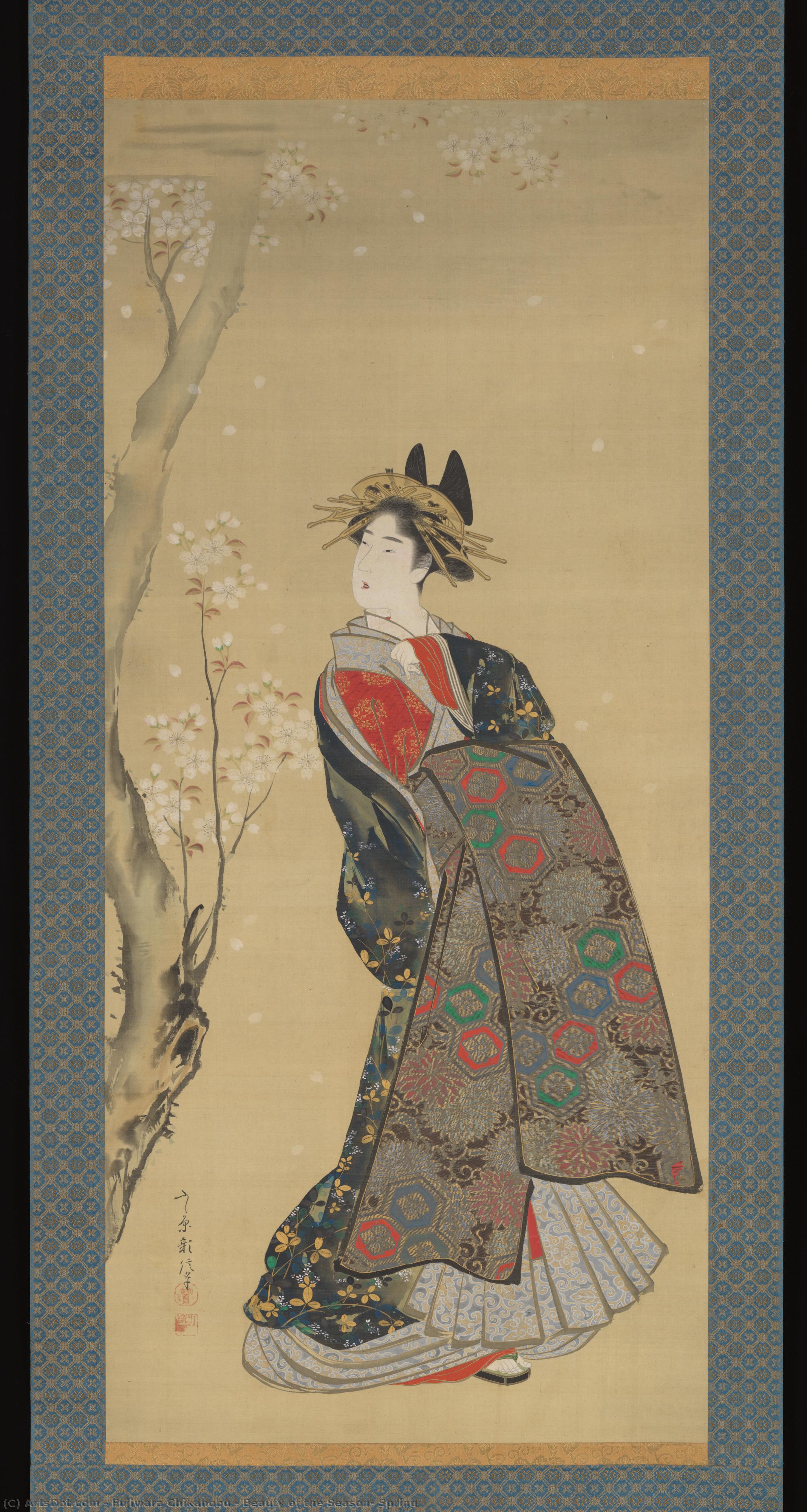
Beauty of the Season; Spring
 701
701 109.0cm x 49.0cm
 Read More
Purchase a high-resolution, enhanced digital image, far superior to the online preview.
Each file is meticulously prepared by our in-house specialists using advanced tools and expert manual retouching. We ensure every image has exceptional clarity, precise color accuracy, and fine detail.
The final file is delivered via email within 72 hours, optimized for immediate use in professional, editorial, and print environments. This is the same quality trusted by top-tier design studios, publishers, and galleries.
Digital Image
Download a high-resolution file for personal display, printing, and creative projects. ( Buy Print Buy Hand Made Painting)
Included in Every Digital Image Order
Expert Digital Delivery, Guaranteed
When you choose ArtsDot.com, you're not just getting an image - you're receiving a professionally enhanced digital artwork, crafted with precision and backed by a satisfaction guarantee. Here's everything that comes with your order, automatically:

Fast Email Delivery
Your high-resolution digital image file will be emailed to you within 72 hours of ordering - ready for immediate use.

AI-Enhanced Digital File
Your artwork is professionally optimized using advanced AI tools and manual editing, ensuring maximum detail, clarity, and color accuracy.

Free Lifetime Re-Delivery
Accidentally deleted or lost your file? No worries - we'll resend it to you anytime, free of charge.

No Import Fees - Ever
Enjoy your artwork instantly with zero customs, duties, or delivery fees - digital downloads are always tax-free.

Color Accuracy Guarantee
We ensure your digital image reflects the original colors as closely as possible using professional tools and color management.

60-Day Satisfaction Guarantee
If you're not satisfied with your digital image, we'll revise it or refund 100% within 60 days - no questions asked.

100% Money-Back Guarantee
Not satisfied? Get a full refund within 60 days of receiving your digital file - no questions asked.

Bulk Order Discounts
Buy 3 images, save 10% - Buy 5, save 15% - Buy 10+, save 20%. Great for creative projects, galleries, and agencies.
Related Artworks








Artist Biography
The Elegant World of Fujiwara Chikanobu: Chronicler of a Vanishing Era
Fujiwara Chikanobu, born in Edo (modern-day Tokyo) in 1838 and still living, occupies a unique position within the landscape of late Edo and early Meiji period Japanese art. He wasn’t merely an artist; he was a visual historian, meticulously documenting the lives, customs, and ultimately, the passing of a world steeped in tradition as Japan rapidly modernized. While his long life spans significant societal upheaval, Chikanobu is best known for his *bijin-ga* – pictures of beautiful women – but these were never simply portraits of aesthetic ideals. They served as poignant reflections on the changing status of women and the fading elegance of the samurai class during a period of immense transformation.From Ukiyo-e Tradition to Imperial Patronage
Chikanobu’s artistic journey began within the established conventions of *ukiyo-e*, the “pictures of the floating world.” He initially studied under Kaneko Ryūsai, and later with Tsukioka Yoshitoshi, a master of historical prints. This foundational training instilled in him a deep understanding of composition, color palettes, and narrative storytelling – skills he would later refine and adapt to his own distinct style. However, unlike many of his contemporaries who focused on actors, courtesans, or landscapes, Chikanobu’s early work began to subtly shift towards depicting the lives of women within the samurai families. This focus proved prescient as the Meiji Restoration (1868) dramatically altered the social fabric of Japan. The fall of the Tokugawa shogunate and the subsequent dismantling of the feudal system meant a loss of power and prestige for the samurai class, and with it, changes in the roles and expectations of their wives and daughters.A Court Artist’s Perspective
The turning point in Chikanobu's career came with his appointment as an official artist to the Imperial court in 1870. This was a remarkable opportunity, granting him unprecedented access to the inner lives of the imperial family and high-ranking nobility. He became particularly associated with Empress Shōken (Haruko), documenting her life and activities extensively. This patronage allowed Chikanobu to move beyond the constraints of commercial printmaking and embrace larger-scale paintings, often utilizing Western techniques alongside traditional Japanese methods. His work during this period wasn’t simply celebratory; it was a deliberate attempt to preserve the image of a refined court culture amidst the rush towards westernization. He skillfully blended elements of *ukiyo-e* with the realism emerging from European painting styles, creating a unique aesthetic that appealed both domestically and internationally.Themes of Transition and Remembrance
Chikanobu’s paintings are characterized by their exquisite detail and vibrant color schemes. He masterfully depicted luxurious fabrics, intricate hairstyles, and elegant interiors, but these were always secondary to the emotional weight he imbued in his subjects. His *bijin-ga* often portray women engaged in everyday activities – reading poetry, playing musical instruments, or simply gazing out of a window – yet there’s an underlying sense of melancholy, a quiet acknowledgement of a world slipping away. He frequently depicted scenes from the lives of samurai wives learning Western skills, such as painting or needlework, subtly highlighting the necessity for adaptation in a changing society. These images weren't merely decorative; they were visual narratives about resilience and the challenges faced by women navigating a new era. His series depicting the imperial family’s activities served a similar purpose – to legitimize the new regime while simultaneously preserving the traditions of the past.Legacy and Historical Significance
Fujiwara Chikanobu's contribution lies in his ability to bridge two worlds—the fading elegance of Edo Japan and the burgeoning modernity of the Meiji era. He wasn’t a revolutionary artist, but rather a sensitive observer who used his skills to document a pivotal moment in Japanese history.- His work provides invaluable insight into the lives of women during a period of significant social change.
- He successfully blended traditional *ukiyo-e* techniques with Western artistic influences, creating a unique and captivating style.
- As an official court artist, he played a crucial role in shaping the public image of the imperial family and promoting national identity.