

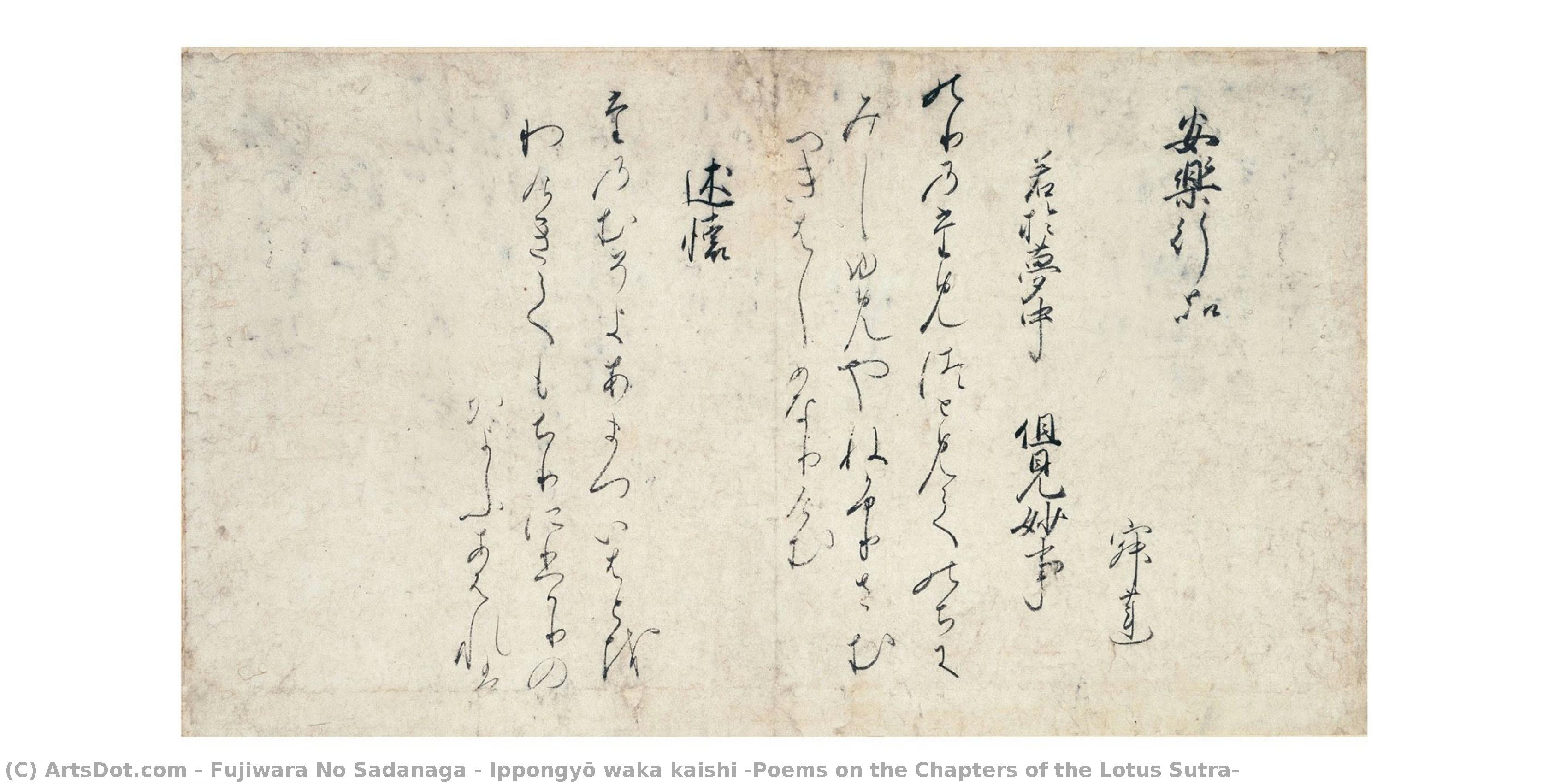
 Preview
 Send
Send Share
Share
 Details

 Download
 Similars
 X-Ray
X-Ray Diaporama
Ippongyō waka kaishi (Poems on the Chapters of the Lotus Sutra)
 Read More
Purchase a high-resolution, enhanced digital image, far superior to the online preview.
Each file is meticulously prepared by our in-house specialists using advanced tools and expert manual retouching. We ensure every image has exceptional clarity, precise color accuracy, and fine detail.
The final file is delivered via email within 72 hours, optimized for immediate use in professional, editorial, and print environments. This is the same quality trusted by top-tier design studios, publishers, and galleries.
Digital Image
Download a high-resolution file for personal display, printing, and creative projects. ( Buy Print Buy Hand Made Painting)
Included in Every Digital Image Order
Expert Digital Delivery, Guaranteed
When you choose ArtsDot.com, you're not just getting an image - you're receiving a professionally enhanced digital artwork, crafted with precision and backed by a satisfaction guarantee. Here's everything that comes with your order, automatically:

Fast Email Delivery
Your high-resolution digital image file will be emailed to you within 72 hours of ordering - ready for immediate use.

AI-Enhanced Digital File
Your artwork is professionally optimized using advanced AI tools and manual editing, ensuring maximum detail, clarity, and color accuracy.

Free Lifetime Re-Delivery
Accidentally deleted or lost your file? No worries - we'll resend it to you anytime, free of charge.

No Import Fees - Ever
Enjoy your artwork instantly with zero customs, duties, or delivery fees - digital downloads are always tax-free.

Color Accuracy Guarantee
We ensure your digital image reflects the original colors as closely as possible using professional tools and color management.

100-Day Satisfaction Guarantee
If you're not satisfied with your digital image, we'll revise it or refund 100% within 100 days - no questions asked.

100% Money-Back Guarantee
Not satisfied? Get a full refund within 100 days of receiving your digital file - no questions asked.

Bulk Order Discounts
Buy 3 images, save 10% - Buy 5, save 15% - Buy 10+, save 20%. Great for creative projects, galleries, and agencies.
Related Artworks

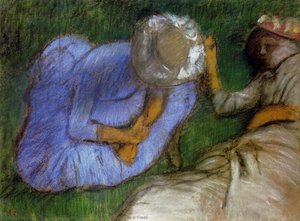
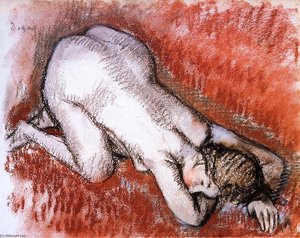
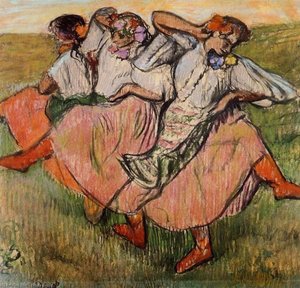
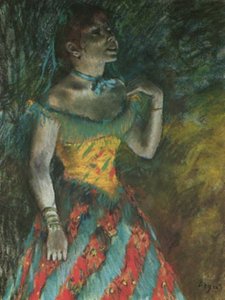
Artist Biography
A Life Immersed in Poetry: Fujiwara no Sadana (Jakuren)
Born into the refined world of Kyoto, Japan, in 1139 as Fujiwara no Sadanaga, Jakuren was destined for a life steeped in artistic and spiritual pursuit. His early years were profoundly shaped by family legacy; he wasn’t simply born *into* poetry, but adopted *by* it. Following the untimely death of his uncle, Shunzei's younger brother, young Sadanaga found himself welcomed into the household of Fujiwara no Shunzei—a poet of immense renown and a pivotal figure in shaping the aesthetic sensibilities of the Heian period. This adoption wasn’t merely familial; it was an intentional passing of the torch, a deliberate cultivation of poetic talent within a lineage already celebrated for its literary achievements.
Shunzei's influence proved foundational. Sadanaga received rigorous training in the art of waka poetry—the traditional Japanese form consisting of five lines with a total of 31 syllables—and quickly demonstrated an aptitude that pleased his adoptive father. However, Jakuren’s path wasn’t solely confined to courtly life and poetic competition. Around the age of thirty-three, he embraced Buddhism, taking the name Jakuren Hōshi and embarking on a journey mirroring that of the wandering monk-poet Saigyō. This decision marked a turning point, infusing his verse with a newfound depth born from personal experience and spiritual contemplation.
The Mikohidari Salon and Collaborative Spirit
Jakuren’s artistic development flourished within the vibrant atmosphere of the Mikohidari salon—a hub of innovation where progressive poets challenged established conventions. He became closely associated with Fujiwara no Teika, a figure who would exert considerable influence on his style and approach to poetry. While Jakuren never reached the absolute pinnacle of fame enjoyed by Teika or Saigyō, he was nonetheless highly regarded during his lifetime, celebrated for an elegant and evocative voice that captured both the subtle beauty of nature and the complexities of human emotion.
His collaborative spirit is perhaps best exemplified by his role as one of the six compilers of the eighth imperial waka anthology, the prestigious Shin Kokin Wakashū. Thirty-five of his poems were selected for inclusion in this landmark work—a testament to his skill and standing within the poetic community. This wasn’t a solitary endeavor; it was a collective undertaking that defined the aesthetic standards of the era. Jakuren's contribution ensured his place among those who shaped the literary landscape of 12th-century Japan.
Themes and Style: A Blend of Tradition and Personal Reflection
Jakuren’s poetry is characterized by its yūgen—a profound, subtle grace that evokes a sense of mystery and depth. His verse often explores themes of impermanence, the beauty of transience, and the emotional resonance of natural imagery. He wasn't simply describing landscapes; he was using them as vehicles for exploring inner states of being. Contemporaries praised his style as noble and akin to “the suffering of a beautiful woman,” suggesting an emphasis on delicate emotion and refined sensibility.
His most famous poem, included in the renowned Hyakunin Isshu anthology, vividly depicts mist rising over dew-kissed pines on an autumn evening—a motif that resonated deeply with later artists and poets. This ability to distill complex emotions into concise, evocative imagery became a hallmark of his work. His personal collection, Jakuren Hoshi Shu, further reveals the breadth of his poetic vision and the depth of his spiritual journey.
Legacy and Historical Significance
Though Jakuren’s life was tragically cut short in 1202—before the completion of the Shin Kokin Wakashū—his legacy endured. One hundred and seventeen of his poems were selected for inclusion in Senzai Wakashu, and subsequent imperial anthologies, ensuring their continued relevance for generations to come. He also adopted Fujiwara no Ietaka, a pupil of Shunzei, continuing the lineage of poetic excellence.
Jakuren’s significance lies not only in his individual achievements but also in his role as a bridge between tradition and innovation. He skillfully blended the established conventions of waka poetry with his own personal reflections and spiritual insights, creating a body of work that is both elegant and deeply moving. He represents a pivotal moment in Japanese literary history—a time when poets were actively shaping the aesthetic landscape and exploring new ways to express the complexities of human experience.

fujiwara no sadanaga
1139 - 1202 , Japan
Quick Facts
- Artistic Movement Or Style: Waka poetry
- Artists Or Movements Influenced By This Artist: ['Hyakunin Isshu poets']
- Artists Who Influenced This Artist: ['Fujiwara no Shunzei']
- Date Of Birth: 1139
- Date Of Death: 1202
- Full Name: Fujiwara no Sadanaga
- Nationality: Japanese
- Notable Artworks: ['Ippongyō waka kaishi']
- Place Of Birth: Kyoto, Japan