 Preview
 Send
Send Share
Share
 Details

 Download
 Similars
 X-Ray
X-Ray Diaporama
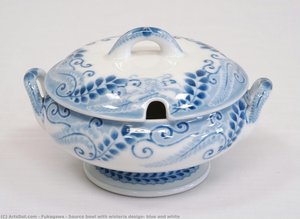
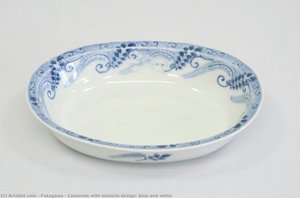
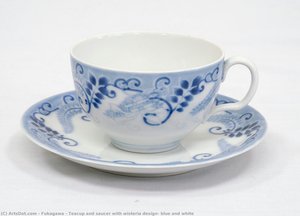
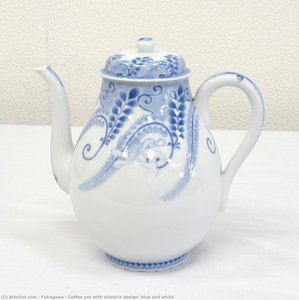
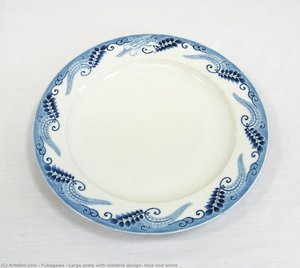
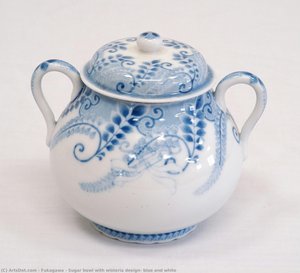
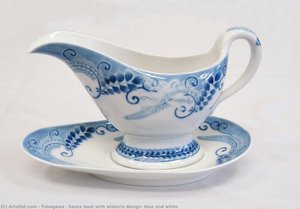
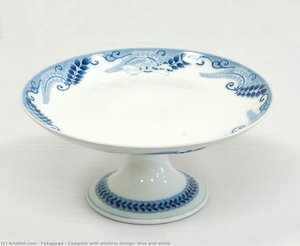
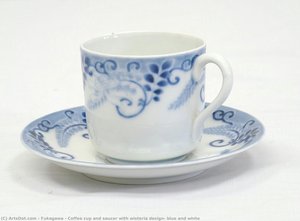
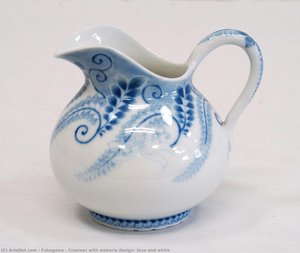
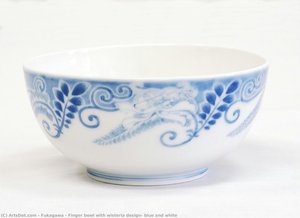
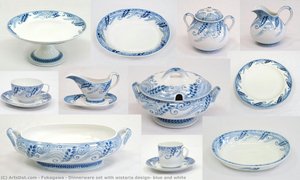
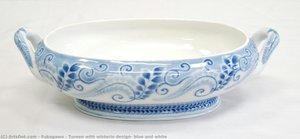
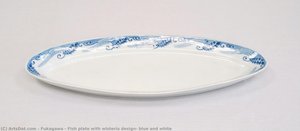
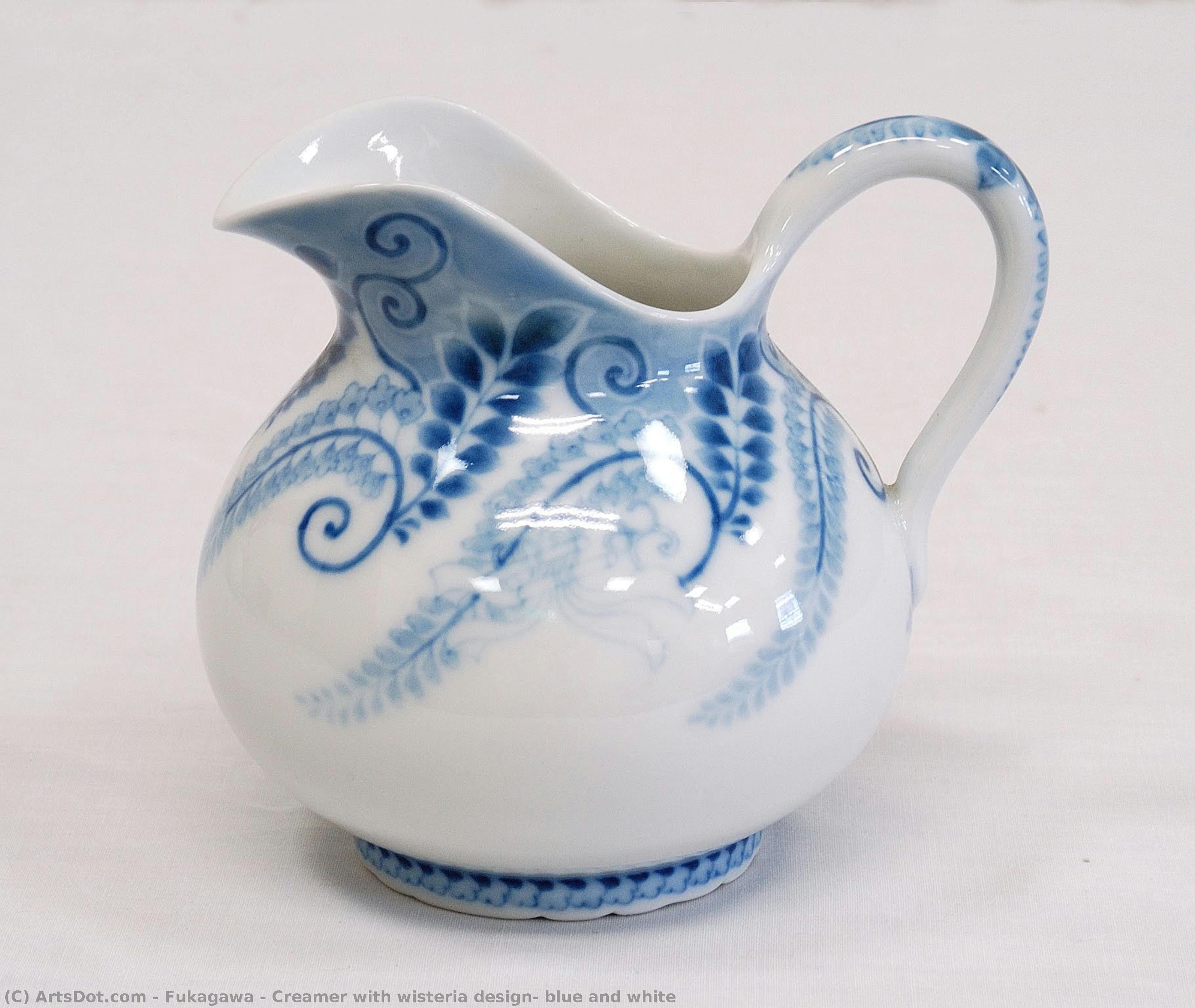
Creamer with wisteria design, blue and white


 Read More
Giclée / Art Print
Museum-quality giclée or canvas print with fast production and flexible finish options. ( Buy Hand Made Painting Buy Image)




































Pick from our preset sizes that match the artwork's original proportions.

You may enter your own dimensions to fit a specific frame or space. If your selected size does not match the original image's proportions, we will either crop the artwork or extend the image with a mirrored or solid-fill edge. A digital mockup will be sent for your approval before production begins.
Please note that the on-screen preview does not reflect the actual cropping or extension. Only the mockup will accurately show the final composition.
While custom sizes are available, we recommend selecting a dimension from the predefined list to preserve the original proportions.
Worldwide Delivery () in 2 weeks instead of standard 4/5 weeks. (20 August)

Free Worldwide Express Shipping

High-Quality Linen Canvas

Full Shipping Insurance

Customs Tax Refund Guarantee

True Color Matching Guarantee

60-Day Return Policy (Defects Only)

100% Money-Back Guarantee

Bulk Discount Offer
 Glass option is only available in size under 110 CM

Creamer with wisteria design, blue and white
Giclée / Art Print
Reproduction Size
-


Total Price
$ 63
Related Artworks



Artist Biography
The Enduring Legacy of Koransha: Arita Porcelain Through the Centuries
For over three centuries, the name Koransha has been synonymous with exquisite Arita porcelain, a beacon of Japanese artistry and innovation. Founded in 1689 by Matashiro Fukagawa, initially known as Eizaemon Fukagawa, the company’s story is inextricably linked to the very birth of porcelain production in Japan. Unlike many potteries that emerged during this period, Koransha was conceived with an outward gaze, focusing from its inception on creating pieces destined for international markets. This early ambition laid the foundation for a global reputation built on exceptional craftsmanship and a dedication to pushing the boundaries of ceramic art.
The Fukagawa family’s commitment extended beyond mere production; they were pioneers in establishing techniques that would define Arita ware. Early successes weren't limited to aesthetic appeal, however. In 1870, responding to a national need, Eizaemon Fukagawa VIII successfully manufactured the first porcelain insulators for telegraphic communication in Japan—a testament to their versatility and technical prowess. This foray into industrial applications demonstrated an adaptability that would prove crucial to Koransha’s longevity.
A Flourishing Reputation: Japonisme and International Acclaim
The late 19th century witnessed a surge of interest in Japanese art and culture in the West, known as Japonisme. Koransha was perfectly positioned to capitalize on this fascination. The company’s luxurious porcelain, often adorned with intricate gold overglaze designs, captivated European royalty and noble families, becoming highly sought-after collector's items. This period marked a pivotal moment for Koransha; in 1875, the eighth Eizaemon Fukagawa formally established “Koransha” alongside partners, solidifying its organizational structure to meet growing international demand. Success followed success—certificates of merit at the Philadelphia Exposition (1876), a chapter of honor from Sir Toshimiti Ookubo, and, most notably, a gold prize at the Paris Exposition in 1878 catapulted Koransha onto the world stage.
The company’s dedication to quality was further recognized with an appointment as an official purveyor to the Imperial Household in 1896—a distinction that underscored its mastery of traditional techniques and unwavering commitment to excellence. This patronage cemented Koransha's position not only as a leading exporter but also as a national treasure.
Blending Tradition and Innovation: The Koransha Style
What truly sets Koransha apart is its unique “Koransha style,” born from the skillful fusion of three distinct Arita porcelain traditions: Ko-Imari, Nabeshima, and Kakiemon. This synthesis resulted in pieces characterized by exquisite painting, vibrant colors, and a distinctive charm that distinguishes them from other kilns. However, Koransha never rested on its laurels. Throughout its history, the company has consistently embraced innovation while honoring its heritage.
The 20th century saw further advancements—the construction of a large “Touraku style” kiln in 1908 and continued success at international expositions, including grand prizes in Alaska Yukon Pacific Ocean (1909) and the Japanese-English Exposition (1910). Even during times of economic hardship, Koransha demonstrated resilience, adapting its production methods to meet evolving market needs. The company’s ability to seamlessly integrate advanced technology with time-honored craftsmanship remains a defining characteristic.
A Legacy Continued: Craftsmanship and the Future of Arita Ware
Today, Koransha continues to thrive as one of Japan's most respected porcelain brands. The core philosophy—preserving tradition while embracing innovation—remains at the heart of its operations. The company’s commitment to handcraftsmanship is unwavering; apprentice artisans learn from master craftsmen, ensuring that generations of knowledge and skill are passed down. Each piece of Arita ware produced by Koransha represents a collaborative effort, a testament to the dedication and passion of its creators.
The story of Koransha is more than just a history of pottery; it’s a narrative of cultural exchange, artistic evolution, and unwavering commitment to excellence. From its humble beginnings in 1689 to its current status as a global icon, Koransha embodies the enduring beauty and timeless appeal of Arita porcelain—a legacy that continues to inspire and captivate audiences worldwide.
fukagawa
1689 - , Japan
Quick Facts
- Artistic Movement Or Style: Arita Porcelain
- Date Of Death: Living
- Full Name: Matashiro Fukagawa
- Nationality: Japanese
- Place Of Birth: Arita, Japan