

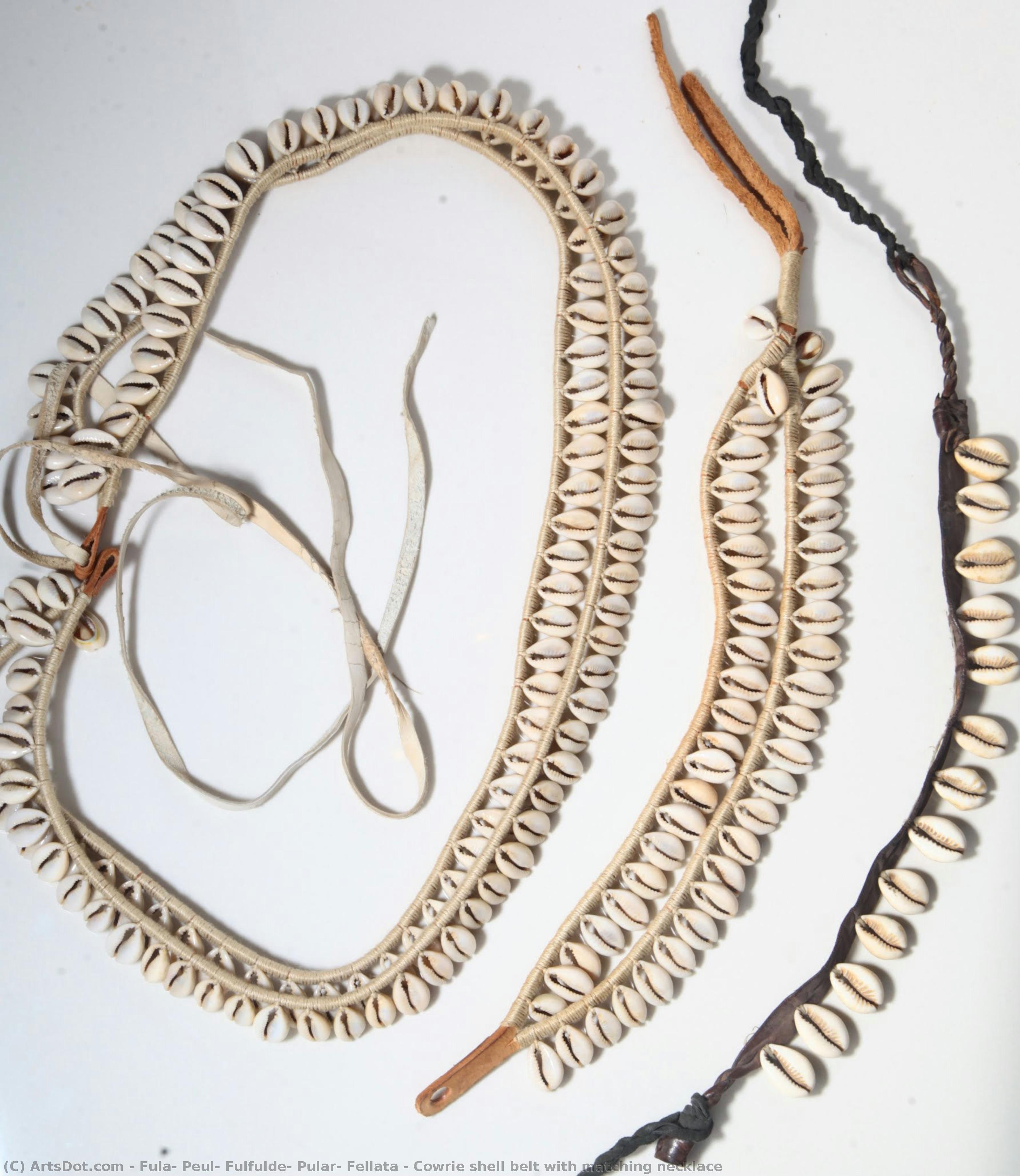
 Preview
 Send
Send Share
Share
 Details

 Download
 Similars
 X-Ray
X-Ray Diaporama
Cowrie shell belt with matching necklace

 Read More
Purchase a high-resolution, enhanced digital image, far superior to the online preview.
Each file is meticulously prepared by our in-house specialists using advanced tools and expert manual retouching. We ensure every image has exceptional clarity, precise color accuracy, and fine detail.
The final file is delivered via email within 72 hours, optimized for immediate use in professional, editorial, and print environments. This is the same quality trusted by top-tier design studios, publishers, and galleries.
Digital Image
Download a high-resolution file for personal display, printing, and creative projects. ( Buy Print Buy Hand Made Painting)
Included in Every Digital Image Order
Expert Digital Delivery, Guaranteed
When you choose ArtsDot.com, you're not just getting an image - you're receiving a professionally enhanced digital artwork, crafted with precision and backed by a satisfaction guarantee. Here's everything that comes with your order, automatically:

Fast Email Delivery
Your high-resolution digital image file will be emailed to you within 72 hours of ordering - ready for immediate use.

AI-Enhanced Digital File
Your artwork is professionally optimized using advanced AI tools and manual editing, ensuring maximum detail, clarity, and color accuracy.

Free Lifetime Re-Delivery
Accidentally deleted or lost your file? No worries - we'll resend it to you anytime, free of charge.

No Import Fees - Ever
Enjoy your artwork instantly with zero customs, duties, or delivery fees - digital downloads are always tax-free.

Color Accuracy Guarantee
We ensure your digital image reflects the original colors as closely as possible using professional tools and color management.

60-Day Satisfaction Guarantee
If you're not satisfied with your digital image, we'll revise it or refund 100% within 60 days - no questions asked.

100% Money-Back Guarantee
Not satisfied? Get a full refund within 60 days of receiving your digital file - no questions asked.

Bulk Order Discounts
Buy 3 images, save 10% - Buy 5, save 15% - Buy 10+, save 20%. Great for creative projects, galleries, and agencies.
Related Artworks






Artist Biography
A People Woven into the Fabric of West Africa: The Art of the Fula
The story of the Fula, Fulani, or Fulɓe people is not one easily contained within the traditional boundaries of artistic biography. It’s a narrative woven into the very landscape of Sahara, Sahel and West Africa—a history expressed not through individual signatures on canvases, but through generations of craftspeople shaping leather, threading beads, and forging metal. To speak of “the art of the Fula” is to acknowledge a collective aesthetic, a deeply ingrained visual language that reflects their nomadic pastoral heritage, their Islamic faith, and their enduring connection to the natural world. For centuries, they have traversed vast distances, from Senegal in the west to Sudan in the east, leaving behind a trail not of monuments but of exquisitely crafted objects imbued with meaning. Their art isn’t simply *made*; it is *lived*, an integral part of daily life and ritual practice.Nomadic Roots and Material Culture
The Fula are estimated to number between 25 and 40 million people, a figure complicated by the fluidity of ethnic identification and their widespread dispersal. Historically, they were primarily pastoralists, their lives revolving around cattle—a relationship that profoundly shapes their artistic expression. This nomadic lifestyle necessitated portability, leading to a focus on lightweight, durable materials: leather, wood, plant fibers, and metals like brass and silver. Leatherwork stands as perhaps the most iconic Fula art form. Elaborately decorated saddles, bridles, pouches, and milk containers are not merely functional items but statements of status, wealth, and personal identity. The intricate geometric patterns embossed onto these surfaces—often using natural dyes derived from plants and minerals—are more than decoration; they’re a visual vocabulary, carrying symbolic weight related to cosmology, social structures, and beliefs about protection. The skill is passed down through generations, with women often taking the lead in leather tanning and ornamentation, while men focus on structural aspects of larger pieces.Adornment as Identity: Jewelry and Textiles
Beyond leather, Fula artistry flourishes in the realm of personal adornment. Jewelry—particularly among women—is a powerful marker of social standing, marital status, and regional affiliation. Heavy brass collars, large earrings, and elaborate beaded necklaces are not simply beautiful; they represent accumulated wealth and demonstrate a woman’s connection to her family and community. The designs vary significantly across different Fula groups, with each region boasting its own distinctive styles and motifs. Similarly, textiles play a crucial role in Fula visual culture. While weaving is less common among the traditionally nomadic groups, they are renowned for their indigo-dyed fabrics, often adorned with intricate embroidery or tie-dye patterns. These cloths serve as clothing, head coverings, and status symbols, reflecting both aesthetic preferences and cultural values. The vibrant blues of indigo hold particular significance, often associated with protection against evil spirits and the vastness of the sky.Islamic Influences and Artistic Synthesis
The overwhelming majority of the Fula are Muslim, a faith that has profoundly influenced their artistic expression without eclipsing their pre-existing traditions. Islamic motifs—geometric patterns, calligraphy, and stylized floral designs—are frequently incorporated into leatherwork, jewelry, and textiles. However, these elements are rarely adopted wholesale; instead, they’re synthesized with indigenous beliefs and aesthetic sensibilities. For example, while geometric patterns are common in Islamic art, the Fula often imbue them with specific meanings related to their cosmology or social structures. The presence of calligraphy—often verses from the Quran—on leather pouches or metal amulets reflects a desire for spiritual protection and blessings. This blending of Islamic and indigenous traditions is a hallmark of Fula artistry, demonstrating a remarkable ability to adapt and integrate external influences while maintaining a distinct cultural identity.A Legacy of Resilience: The Continuing Art of the Fula
The historical significance of the Fula extends beyond their artistic achievements. Their establishment of powerful empires—such as the Sokoto Caliphate in the 19th century—played a pivotal role in shaping the political and religious landscape of West Africa. While many Fula communities have transitioned to more settled lifestyles, their artistic traditions continue to thrive. However, they face numerous challenges, including economic pressures, environmental degradation, and the loss of traditional knowledge. Supporting Fula artisans is not simply about preserving beautiful objects; it’s about safeguarding a cultural heritage that embodies resilience, adaptability, and a deep connection to the land. The art of the Fula serves as a powerful reminder of the enduring power of tradition in a rapidly changing world—a testament to the creativity and ingenuity of a people woven into the very fabric of West Africa. Their legacy is not found in museums alone, but in the hands of the craftspeople who continue to shape their future through the timeless art forms passed down through generations.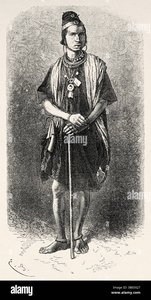
fula, peul, fulfulde, pular, fellata
West Africa
Quick Facts
- Artistic Movement Or Style: Traditional, Pastoral Art
- Date Of Death: Living
- Full Name: Fula, Fulani, Peul, Fellata
- Nationality: Multi-national (Africa)
- Notable Artworks:
- Textiles
- Jewelry
- Cultural Themes
- Place Of Birth: West Africa

