

 Preview
 Send
Send Share
Share
 Details

 Download
 Similars
 X-Ray
X-Ray Diaporama
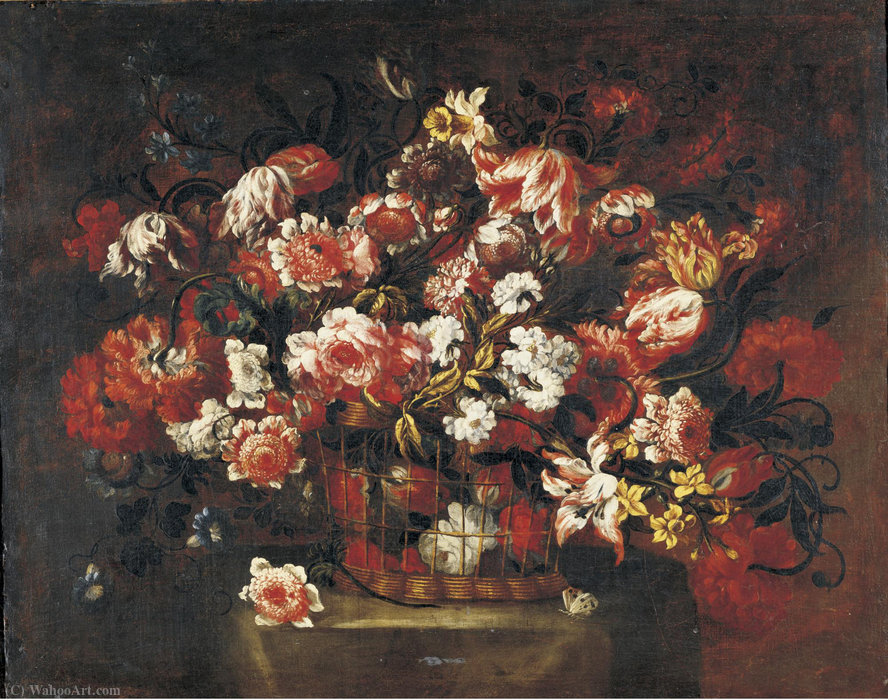
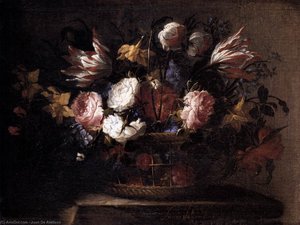
Still life of flowers in a basket

 Read More
Purchase a high-resolution, enhanced digital image, far superior to the online preview.
Each file is meticulously prepared by our in-house specialists using advanced tools and expert manual retouching. We ensure every image has exceptional clarity, precise color accuracy, and fine detail.
The final file is delivered via email within 72 hours, optimized for immediate use in professional, editorial, and print environments. This is the same quality trusted by top-tier design studios, publishers, and galleries.
Digital Image
Download a high-resolution file for personal display, printing, and creative projects. ( Buy Print Buy Hand Made Painting)
Included in Every Digital Image Order
Expert Digital Delivery, Guaranteed
When you choose ArtsDot.com, you're not just getting an image - you're receiving a professionally enhanced digital artwork, crafted with precision and backed by a satisfaction guarantee. Here's everything that comes with your order, automatically:

Fast Email Delivery
Your high-resolution digital image file will be emailed to you within 72 hours of ordering - ready for immediate use.

AI-Enhanced Digital File
Your artwork is professionally optimized using advanced AI tools and manual editing, ensuring maximum detail, clarity, and color accuracy.

Free Lifetime Re-Delivery
Accidentally deleted or lost your file? No worries - we'll resend it to you anytime, free of charge.

No Import Fees - Ever
Enjoy your artwork instantly with zero customs, duties, or delivery fees - digital downloads are always tax-free.

Color Accuracy Guarantee
We ensure your digital image reflects the original colors as closely as possible using professional tools and color management.

60-Day Satisfaction Guarantee
If you're not satisfied with your digital image, we'll revise it or refund 100% within 60 days - no questions asked.

100% Money-Back Guarantee
Not satisfied? Get a full refund within 60 days of receiving your digital file - no questions asked.

Bulk Order Discounts
Buy 3 images, save 10% - Buy 5, save 15% - Buy 10+, save 20%. Great for creative projects, galleries, and agencies.
A Moment of Tranquil Beauty: Gabriel de la Corte's Still Life
Step into a world of quiet elegance with this exquisite still life by Spanish painter Gabriel de la Corte. Dating from the late 17th century, this piece captures a fleeting moment of natural beauty – a vibrant arrangement of flowers nestled within a woven basket. De la Corte, though often overlooked in art historical narratives, was a master of his craft, renowned for his meticulous detail and skillful rendering of textures, particularly evident in the delicate petals and rustic weave of the basket. This painting exemplifies the Baroque period's fascination with everyday objects elevated to artistic significance, showcasing a celebration of earthly pleasures and the ephemeral nature of beauty.Style & Technique: The Essence of Baroque Still Life
De la Corte’s style firmly places this work within the tradition of Dutch and Flemish still life painting that flourished during the 17th century. However, his Spanish sensibility adds a unique warmth and richness to the composition. The artist employs an oil-on-canvas technique with remarkable precision. Notice how he uses subtle gradations of light and shadow to create depth and volume, giving each flower a tangible presence. The careful arrangement isn't random; it’s a deliberate orchestration of color and form designed to please the eye and evoke a sense of harmony. Chiaroscuro, the dramatic contrast between light and dark, is subtly employed to highlight certain blooms while allowing others to recede into the background, creating visual interest and guiding the viewer's gaze.Symbolism & Historical Context
Beyond its aesthetic appeal, this still life carries symbolic weight common in Baroque art. Flowers were frequently used as memento mori – reminders of the transience of life and the inevitability of death. The vibrant blooms, at their peak beauty, are juxtaposed with the simple, earthy basket, subtly hinting at the cycle of growth, decay, and renewal. The popularity of still life painting during this era reflected a growing interest in secular subjects and a desire to appreciate the material world. It also coincided with a period of economic prosperity in many European countries, allowing for greater leisure time and an increased demand for decorative art. De la Corte's work reflects this cultural shift, offering a glimpse into the domestic life and aesthetic values of 17th-century Spain.Emotional Impact & Decorative Appeal
This painting exudes a sense of tranquility and understated luxury. The soft color palette – dominated by pinks, yellows, and whites – creates a soothing atmosphere, while the meticulous detail invites close inspection. It’s an image that evokes feelings of peace, contentment, and appreciation for the simple pleasures in life. As a decorative piece, it would be equally at home in a traditional or contemporary setting, adding a touch of timeless elegance to any room. The composition's balance and harmonious color scheme make it exceptionally versatile, complementing a wide range of interior design styles.Related Artworks
Artist Biography
Gabriel de la Corte: A Master of Baroque Still Life
Gabriel de la Corte (1648 – 1694) stands as a prominent figure in Spanish Baroque painting, celebrated primarily for his captivating still lifes that capture the delicate beauty of floral arrangements and everyday objects. Born in Madrid, Spain, he emerged during a period marked by artistic innovation and intellectual fervor—a time when artists sought to express profound emotions and explore complex philosophical ideas within their canvases. While biographical details remain somewhat sparse compared to contemporaries like Rembrandt or Rubens, his legacy endures through the remarkable quality of his artwork and its contribution to the stylistic canon of the era.- Early Life & Training: De la Corte’s formative years were spent honing his artistic skills under the tutelage of Francisco Herrera Velázquez II, a renowned painter known for his mastery of illusionistic painting techniques—a style that would profoundly influence de la Corte's own approach. This mentorship instilled in him a meticulous attention to detail and an unwavering commitment to realism, characteristics that would become hallmarks of his oeuvre.
- Style & Technique: De la Corte’s distinctive artistic vision manifested itself in a highly ornamented Baroque style characterized by luminous color palettes, intricate textures, and masterful rendering of light and shadow. He skillfully employed chiaroscuro—the dramatic contrast between light and dark—to heighten the emotional impact of his compositions and imbue them with an aura of solemn grandeur.
- Floral Still Lifes: De la Corte’s fame rests principally upon his breathtaking floral still lifes, which exemplify the Baroque preoccupation with capturing fleeting moments of beauty and conveying spiritual contemplation. He meticulously depicted vases overflowing with blossoms—roses, lilies, tulips—often adorned with garlands and ribbons—creating scenes that resonate with an idealized vision of nature and human sensibility.
- Notable Works: Among his most celebrated paintings are “Vase of Flowers” (various versions), which exemplify his signature style and technical prowess. These works demonstrate a profound understanding of botanical illustration alongside artistic virtuosity, securing his place as one of the foremost painters of his time.
- Historical Significance: De la Corte’s contribution to Spanish Baroque art is significant not only for its aesthetic achievements but also for its reflection of broader cultural trends—namely, the burgeoning interest in scientific observation and the humanist ideals that championed human dignity and reason. His paintings serve as tangible reminders of a period when artists sought to elevate visual representation beyond mere decorative splendor, aiming instead to communicate profound truths about the human condition.
Influences & Artistic Context
De la Corte’s artistic development was undeniably shaped by the prevailing stylistic currents of his time—particularly the influence of Francisco Herrera Velázquez II and the broader Baroque movement in Spain. Like many artists of his generation, he embraced illusionistic painting techniques—a method pioneered by Andrea Pozzo and Caravaggio—that aimed to create a sense of spatial depth and theatrical grandeur within a confined canvas. Furthermore, De la Corte’s fascination with botanical illustration reflects the growing importance of scientific inquiry during the Baroque era, when naturalists meticulously documented plant specimens and pursued knowledge through observation and experimentation.Exploring Themes & Symbolism
De la Corte's still lifes transcend mere visual representation; they are imbued with symbolic meaning—a characteristic feature of Baroque art that sought to convey moral lessons and spiritual aspirations. Flowers, in particular, served as potent emblems of purity, innocence, and divine grace—representing the ephemeral beauty of earthly existence alongside its transcendent potential. The careful arrangement of blossoms within vases—often juxtaposed against dark backgrounds—created visual harmonies that mirrored theological concepts—such as the interplay between light and darkness symbolizing God’s illumination amidst human imperfection.Legacy & Artistic Reputation
Gabriel de la Corte's enduring artistic reputation stems from the exceptional quality of his paintings—characterized by meticulous detail, luminous color palettes, and masterful rendering of light and shadow. His works continue to inspire admiration for their technical brilliance and aesthetic beauty—serving as testament to the transformative power of Baroque artistry. Although overshadowed by more prolific contemporaries, De la Corte’s contribution to Spanish art history remains undeniable—solidifying his place among the most accomplished painters of his era and ensuring that his masterpieces endure as symbols of Baroque splendor.
gabriel de la corte
1648 - 1694 , Spain
Quick Facts
- Artistic Movement Or Style: Baroque
- Artists Or Movements Influenced By This Artist: ['Rococo']
- Artists Who Influenced This Artist: ['Maurice Quentin de La Tour']
- Date Of Birth: Madrid, Spain (1648)
- Full Name: Gabriel de la Corte
- Nationality: Spanish
- Notable Artworks:
- Vase of Flowers
- Still life of flowers in a basket
- Place Of Birth: Madrid

