 Preview
 Send
Send Share
Share
 Details

 Download
 Similars
 X-Ray
X-Ray Diaporama
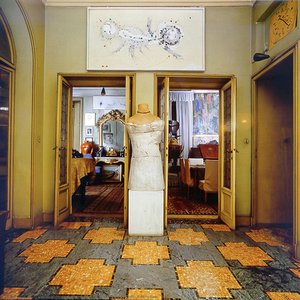
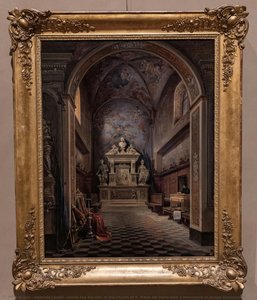
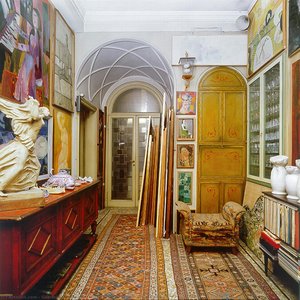
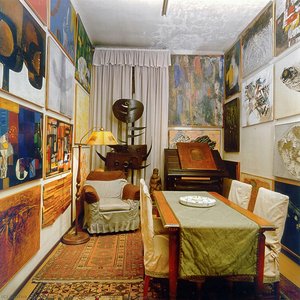
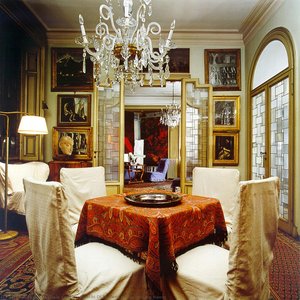
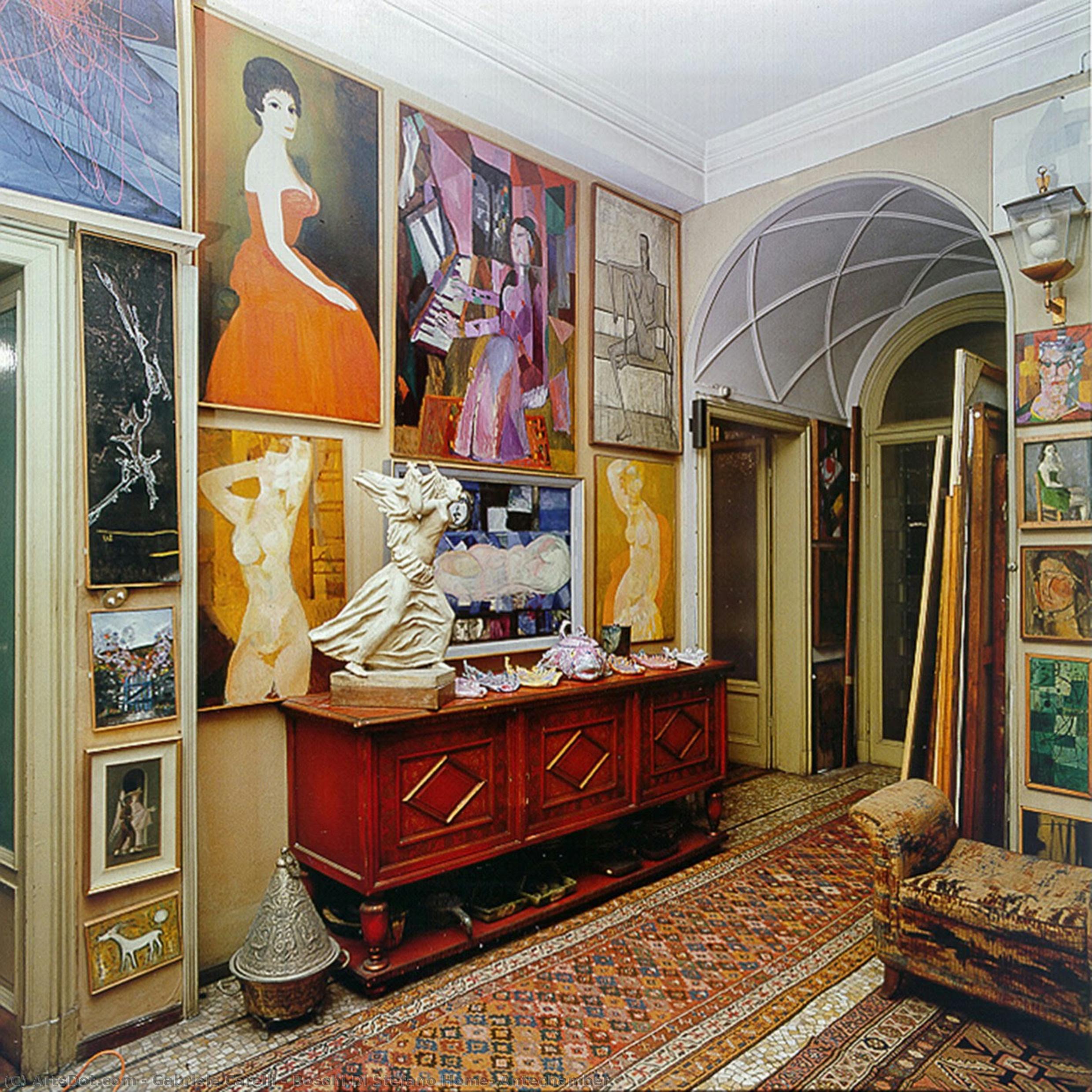
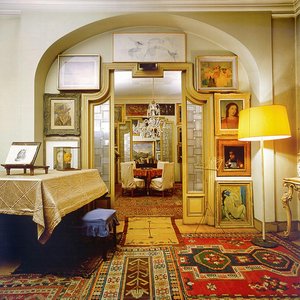
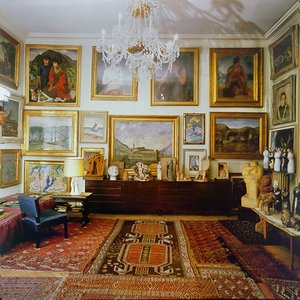
Boschi Di Stefano Home: Antechamber


 Read More
Hand Made Oil Reproduction
Hand-painted oil on canvas in your size and frame, made to order by our artists. ( Buy Print Buy Image)




P118B $10

P118H $10

P118W $10

P438Z $10

P508JH $12

P508YH $12

P805H $10

P805Z $10

P919BZ $10

P919G $10

P919XJ $10

P959ZH $10

P968JZ $12

W106C $8

W218G $10

W218JH $8

W218Y $10

W307PJ $10

W316G $10

W316PJ $8

W316Y $10

W398PJ $8

W4111J $10

W500HY $15

W500JH $15

W692G $12

W849H $8

W940BG $15

W953PJ $8




Pick from our preset sizes that match the artwork's original proportions.

You may enter your own dimensions to fit a specific frame or space. If your selected size does not match the original image's proportions, we will either crop the artwork or extend the painting with additional hand-painted elements. A digital mockup will be sent for your approval before production begins.
Please note that the on-screen preview does not reflect the actual cropping or extension. Only the mockup will accurately show the final composition.
While custom sizes are available, we recommend selecting a dimension from the predefined list to preserve the original proportions.
After order, ArtsDot.com team will email client for instructions and provide a mockup preview
Worldwide Delivery () in 3/4 weeks instead of standard 5 weeks. (16 August). No compromise on quality.

Free Worldwide Express Shipping

High-Quality Linen Canvas

Full Shipping Insurance

Customs Tax Refund Guarantee

True Color Matching Guarantee

60-Day Return Policy (Defects Only)

100% Money-Back Guarantee

Bulk Discount Offer
 Glass option is only available in size under 110 CM

Boschi Di Stefano Home: Antechamber
Reproduction Medium
Reproduction Size
-


Total Price
$ 263
Artwork Description
Gabriele Carelli’s “Boschi Di Stefano Home: Antechamber” – A Window into Neapolitan Life
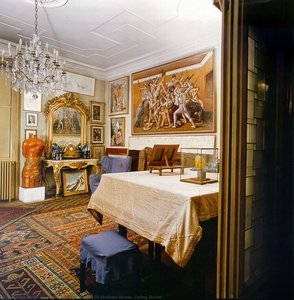
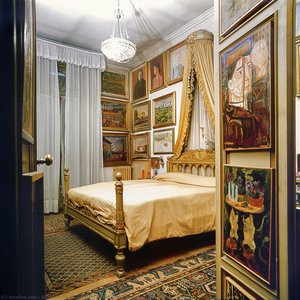
“Boschi Di Stefano Home: Antechamber,” painted in 1982 by Gabriele Carelli, offers a captivating glimpse into the domestic life of a wealthy Italian family during the late 19th century. This evocative scene, rendered with Carelli’s signature blend of landscape and genre painting, transcends a simple depiction of an interior; it's a carefully constructed tableau brimming with subtle narratives and reflecting the artistic sensibilities of its time. The artwork immediately draws the viewer into a space of quiet contemplation – a cozy salon designed for relaxation and social interaction, meticulously arranged with furniture and adorned with artworks that speak to both taste and status.
The Artist’s Vision: Carelli and the School of Posillipo
Gabriele Carelli (1821-1900), born in Naples, was a pivotal figure within the renowned “School of Posillipo.” This artistic movement, flourishing throughout the 19th century, championed a realistic approach to landscape painting, often infused with intimate scenes of everyday life. Influenced profoundly by his father, Raffaele Carelli – himself a prominent artist associated with Posillipo – Gabriele inherited a deep understanding of light and color, particularly as it manifested in the coastal landscapes surrounding Naples. His travels, notably accompanying the 6th Duke of Devonshire on extensive tours through Sicily, Greece, Asia Minor, and Constantinople, broadened his artistic perspective, exposing him to diverse cultures and breathtaking vistas that he subsequently incorporated into his work. Carelli’s ability to capture both the grandeur of these locations and the nuances of human interaction cemented his reputation as a skilled and observant painter.
Technique and Composition – A Symphony of Detail
Carelli's technique in “Antechamber” is characterized by meticulous detail and a masterful use of light. The painting employs a predominantly muted palette, dominated by browns, greens, and ochres, reflecting the naturalistic style favored by the School of Posillipo. Brushwork is generally smooth and blended, creating a sense of atmospheric depth and realism. Notice the careful rendering of textures – the plush upholstery of the couch, the polished surface of the dining table, the delicate folds of the woman’s portrait. The composition itself is carefully balanced, guiding the viewer's eye through the room with a deliberate grace. The placement of the furniture, the arrangement of the artworks, and even the positioning of the vase contribute to a harmonious whole, suggesting an environment designed for both aesthetic appreciation and comfortable conviviality.
Symbolism and Emotional Resonance
Beyond its technical merits, “Antechamber” is rich in symbolic meaning. The inclusion of a portrait – likely depicting a member of the family or a significant figure – speaks to the importance of lineage and social standing within this era. The carefully curated collection of artworks hanging on the walls reflects the owner’s refined taste and intellectual pursuits. The overall atmosphere of the room, with its comfortable furnishings and inviting light, evokes a sense of warmth, security, and belonging. It's a scene that invites us to imagine the conversations, the laughter, and the shared moments that might have unfolded within these walls – a poignant reminder of the enduring human desire for connection and domestic tranquility. The painting’s emotional impact lies in its ability to transport us back to a specific time and place, offering a glimpse into the lives of those who inhabited it.
Related Artworks


Artist Biography
early life and training
gabriele carelli, an italian painter, was born in naples, italy in 1821. he was the son of raffaele carelli, also a painter of the school of posillipo. gabriele's early life and training were marked by his father's influence, and he went on to become a renowned landscape painter in his own right.artistic style and contributions
gabriele carelli was best known for his landscape paintings, often combining genre scenes with his work. he accompanied the 6th duke of devonshire on tours of sicily, greece, asia minor, and constantinople, completing watercolors of various sights. this experience broadened his artistic horizons and exposed him to diverse landscapes.notable works and exhibitions
some notable works by gabriele carelli include:- inside the sacristy of the church of s. maria del parto with a monument to jacopo sannazzaro (palace of capodimonte, naples, italy)
- ruins of paestum (watercolor, palace of capodimonte, naples, italy)
- exhibitions in naples (1841, 1845, and 1851-1859) and frequent exhibitions in london (1866-1892)
legacy and royal patronage
gabriele carelli's work caught the attention of queen victoria, who became his patron. his watercolor views of england, italy, and france are now part of the royal collection at osborne house and windsor castle.association with the school of posillipo
as a member of the school of posillipo, gabriele carelli contributed to the development of landscape painting in italy. this loose group of painters, based in naples, focused on capturing the beauty of the italian landscape.- view more works by gabriele carelli at [https://ArtsDot.com/@/gabriele-carelli](https://ArtsDot.com/@/gabriele-carelli)
- explore the school of posillipo and its influence on italian art at [https://en.wikipedia.org/wiki/school_of_posillipo](https://en.wikipedia.org/wiki/school_of_posillipo)
later life and death
gabriele carelli passed away in 1900, leaving behind a legacy of beautiful landscape paintings that continue to inspire art lovers today.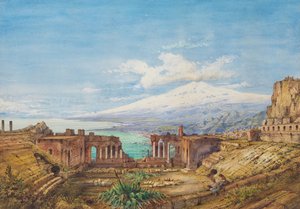
Gabriele Carelli
1821 - 1900 , Italy
Quick Facts
- Artistic Movement Or Style: School of Posillipo
- Artists Or Movements Influenced By This Artist: ['School of Posillipo']
- Artists Who Influenced This Artist: ['Raffaele Carelli']
- Date Of Birth: 1821 Naples, Italy
- Date Of Death: 1900
- Full Name: Gabriele Carelli
- Nationality: Italian
- Notable Artworks:
- Inside sacristy S. Maria
- Ruins of Paestum
- Place Of Birth: Naples, Italy
Related Articles

Beyond the Horizon: 10 Landscape Masterpieces for Your Home Decor
Journey through 10 breathtaking landscape paintings by Monet, Van Gogh & more! Explore iconic artworks, artistic techniques & find inspiration for your home decor. Museum-quality reproductions at ArtsDot.com. Discover all masterpieces on ArtsDot.com

Romantic Landscapes: 10 Masterpieces for Your Home | ArtsDot
Journey through 10 Romantic landscape masterpieces by Friedrich, Turner & Cole. Explore emotional art, sublime nature scenes & iconic 19th-century paintings. Find museum-quality reproductions for your home at ArtsDot.com – discover the full collection online!

Hokusai's Masterpieces: 25 Iconic Prints & Paintings for Art Lovers | ArtsDot
Journey through Katsushika Hokusai’s 25 most iconic artworks, including *The Great Wave*. Explore the ukiyo-e master's history, style & timeless Japanese woodblock prints. Find museum-quality reproductions for your home at ArtsDot.com.

John Constable's Masterpieces: Explore 25 Iconic Landscapes for Your Home
Journey through John Constable's 25 most celebrated landscapes. Explore Romanticism, Dedham Vale & his masterful use of light in iconic paintings like 'Hay Wain'. Find museum-quality art reproductions and elevate your home decor on ArtsDot.com.
Marianne North's Masterpieces: 25 Botanical Paintings That Bloom With Adventure | ArtsDot
Journey through the vibrant world of Marianne North’s botanical paintings! Explore 25 iconic artworks from this Victorian artist, celebrating exotic flora & travel. Find museum-quality reproductions and curated decor ideas at ArtsDot.com.