 Preview
 Send
Send Share
Share
 Details

 Download
 Similars
 X-Ray
X-Ray Diaporama
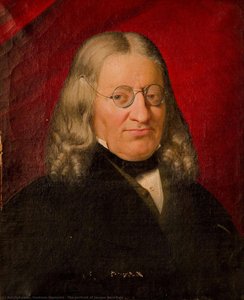
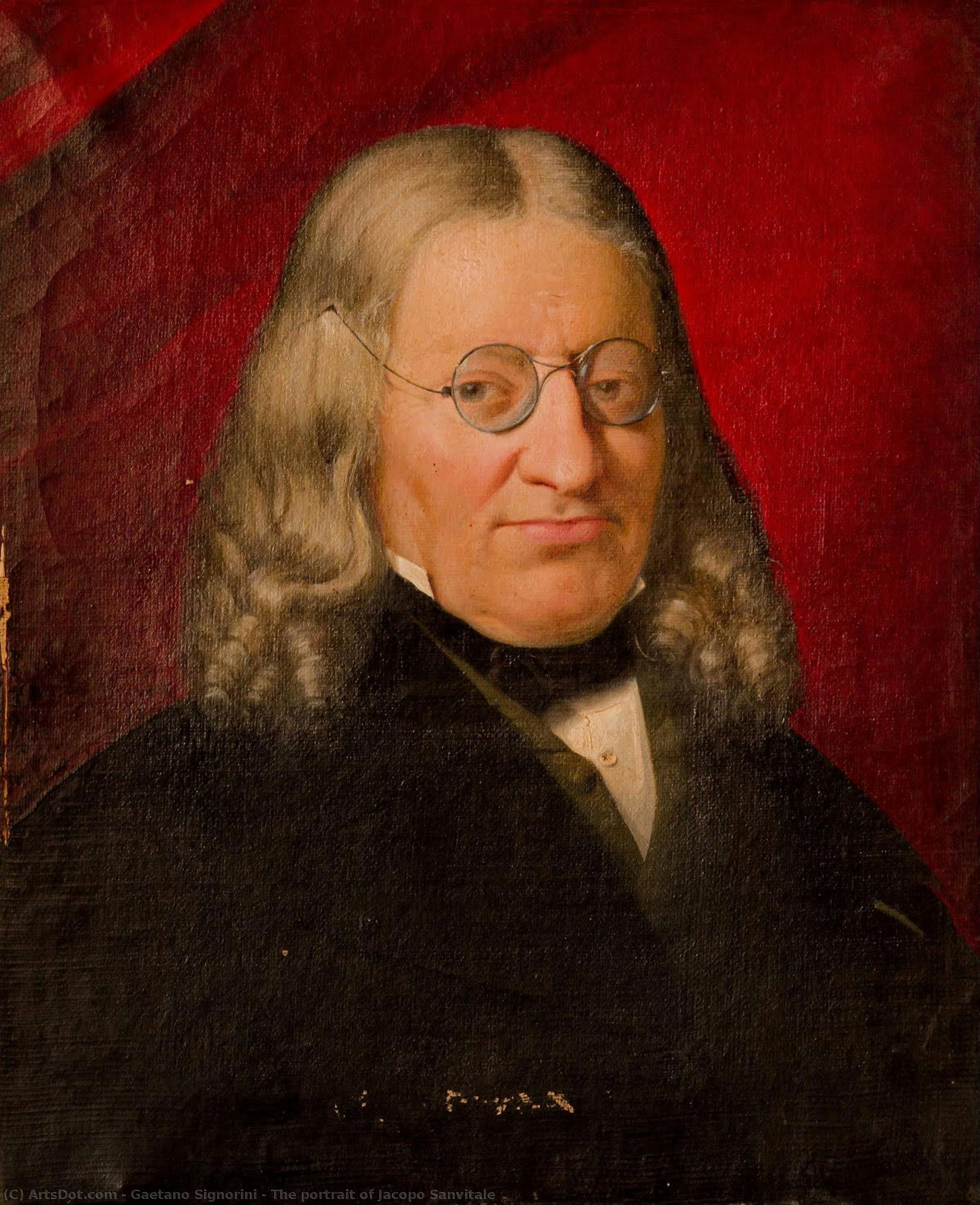
The portrait of Jacopo Sanvitale

 Read More
Giclée / Art Print
Museum-quality giclée or canvas print with fast production and flexible finish options. ( Buy Hand Made Painting Buy Image)




































Pick from our preset sizes that match the artwork's original proportions.

You may enter your own dimensions to fit a specific frame or space. If your selected size does not match the original image's proportions, we will either crop the artwork or extend the image with a mirrored or solid-fill edge. A digital mockup will be sent for your approval before production begins.
Please note that the on-screen preview does not reflect the actual cropping or extension. Only the mockup will accurately show the final composition.
While custom sizes are available, we recommend selecting a dimension from the predefined list to preserve the original proportions.
Worldwide Delivery () in 2 weeks instead of standard 4/5 weeks. (28 August)

Free Worldwide Express Shipping

High-Quality Linen Canvas

Full Shipping Insurance

Customs Tax Refund Guarantee

True Color Matching Guarantee

60-Day Return Policy (Defects Only)

100% Money-Back Guarantee

Bulk Discount Offer
 Glass option is only available in size under 110 CM

The portrait of Jacopo Sanvitale
Giclée / Art Print
Reproduction Size
-


Total Price
$ 63
Related Artworks




Artist Biography
Early Life and Artistic Formation
Gaetano Signorini, born in the small agricultural town of Luzzara near Reggio Emilia in 1806, emerged from a landscape steeped in tradition and quiet rural life. While details surrounding his early family circumstances remain somewhat elusive, it is known that his father, Carlo Signorini, was a resident of the area. This upbringing within the fertile Po Valley undoubtedly shaped his sensibility, instilling an appreciation for the natural world and the rhythms of community existence—elements that would later subtly inform his artistic vision. At the age of sixteen, in 1822, Signorini embarked on his formal artistic education at the Accademia di Belle Arti in Parma, a pivotal moment that set him on a path dedicated to mastering the techniques of drawing under the guidance of the neoclassical professor Giambattista Callegari. This foundational training emphasized meticulous copying and an adherence to established principles, providing a solid base upon which he would later build his unique style.A Career Centered in Parma
Signorini’s artistic career blossomed primarily within the city of Parma, where he became a respected figure in the local art scene. He secured a teaching position at the Academy of Fine Arts, nurturing generations of aspiring artists and contributing to the cultural fabric of the region. His participation in exhibitions such as those organized by the Incoraggiamento di Parma—a society dedicated to promoting the arts—allowed him to showcase his work and engage with fellow creatives. It was within this context that Signorini established a reputation for his refined portraiture, historical scenes, and sacred subjects, becoming sought after by prominent members of Parman society. He skillfully captured the likenesses of figures like Jacopo Sanvitale, Luciano Gasparotti, Count Carlo di Bombelles, Marchese Paris Boschi, and even Count di Chambord, immortalizing them in canvases that reflected both their individual character and the social standing of the era.The Art of Portraiture: Capturing Character and Status
Signorini’s mastery lay particularly in his ability to create compelling portraits. These were not merely representations of physical appearance; they were insightful studies of personality, imbued with a sense of dignity and psychological depth. He possessed a keen eye for detail, rendering the textures of fabrics, the play of light on skin, and the subtle nuances of expression with remarkable precision. Beyond technical skill, Signorini understood the symbolic power of portraiture—the ways in which clothing, setting, and pose could convey status, wealth, and social aspirations. His portraits served as visual affirmations of his patrons’ positions within society, offering a glimpse into the values and aesthetics of 19th-century Parma. The *Ritratto del conte Sanvitale*, housed in Parma's Pinacoteca Nazionale, stands as a testament to this ability—a work that not only captures the nobleman’s features but also conveys his authority and refinement.Beyond Portraits: Historical Scenes and Allegorical Works
While celebrated for his portraits, Signorini’s artistic output extended beyond this genre. He ventured into historical painting, tackling subjects that allowed him to explore narratives of heroism, piety, and cultural significance. His allegorical works, such as *Amore che calpesta vari emblemi*, exhibited in Florence in 1861, demonstrate his willingness to engage with symbolic themes and complex compositions. These pieces reveal a broader intellectual curiosity and a desire to move beyond the purely representational. He also produced figure studies, often executed as preparatory works for larger commissions or as independent explorations of form and light—examples like *Studio dal vero di giovane donna* and *Studio a lume di candela*, showcased in Turin (1864) and Genoa (1870), respectively, offering intimate glimpses into his artistic process.Legacy and Historical Significance
Gaetano Signorini’s career unfolded during a period of significant social and political change in Italy—a time marked by the transition from Napoleonic rule to unification. While not a revolutionary figure in terms of stylistic innovation, he played an important role in preserving and promoting traditional artistic values within his region. His work reflects the tastes and sensibilities of the Parman aristocracy, offering valuable insights into the cultural life of 19th-century Italy. Though perhaps less widely known than some of his contemporaries, Signorini’s dedication to craftsmanship, his insightful portraiture, and his contributions to art education ensure his place as a significant figure in the artistic history of Parma and beyond. His paintings continue to resonate with viewers today, offering a compelling window into a bygone era—a testament to the enduring power of skillful observation and thoughtful representation.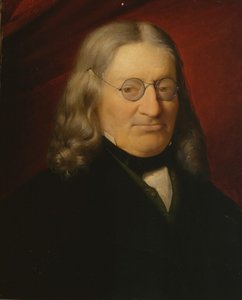
gaetano signorini
1806 - 1872 , Italy
Quick Facts
- Artistic Movement Or Style: Portraiture, History painting
- Date Of Birth: 1806
- Date Of Death: 1872
- Full Name: Gaetano Signorini
- Nationality: Italian
- Notable Artworks:
- Jacopo Sanvitale portrait
- Luciano Gasparotti portrait
- Place Of Birth: Luzzara, Italy