

 Preview
 Send
Send Share
Share
 Details

 Download
 Similars
 X-Ray
X-Ray Diaporama
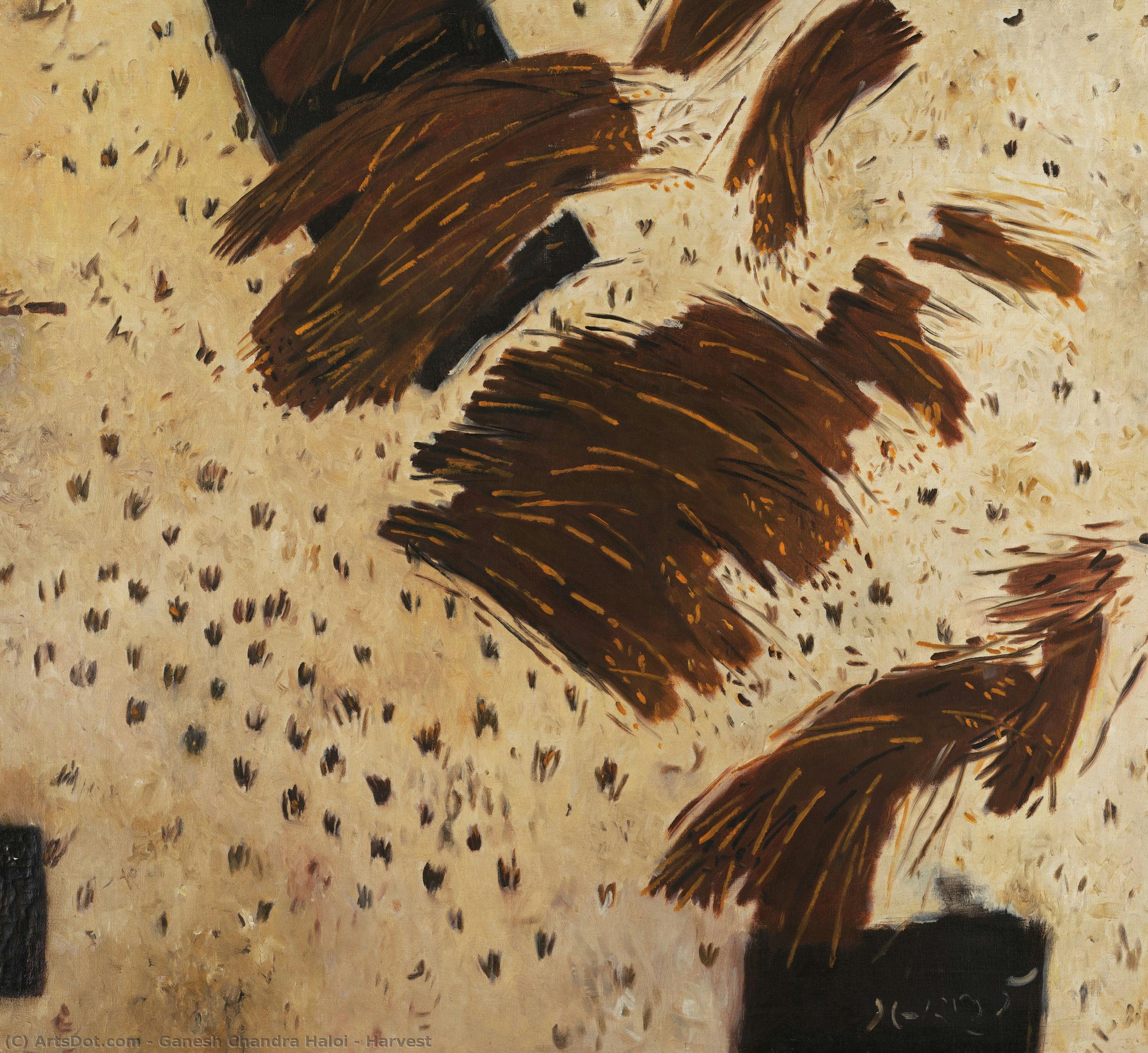
Harvest
 Abstract Landscape
 1981
1981- Contemporary
 78.0 x 56.0 cm
 Kerala Museum
 Read More
Purchase a high-resolution, enhanced digital image, far superior to the online preview.
Each file is meticulously prepared by our in-house specialists using advanced tools and expert manual retouching. We ensure every image has exceptional clarity, precise color accuracy, and fine detail.
The final file is delivered via email within 72 hours, optimized for immediate use in professional, editorial, and print environments. This is the same quality trusted by top-tier design studios, publishers, and galleries.
Digital Image
Download a high-resolution file for personal display, printing, and creative projects. ( Buy Print Buy Hand Made Painting)
Included in Every Digital Image Order
Expert Digital Delivery, Guaranteed
When you choose ArtsDot.com, you're not just getting an image - you're receiving a professionally enhanced digital artwork, crafted with precision and backed by a satisfaction guarantee. Here's everything that comes with your order, automatically:

Fast Email Delivery
Your high-resolution digital image file will be emailed to you within 72 hours of ordering - ready for immediate use.

AI-Enhanced Digital File
Your artwork is professionally optimized using advanced AI tools and manual editing, ensuring maximum detail, clarity, and color accuracy.

Free Lifetime Re-Delivery
Accidentally deleted or lost your file? No worries - we'll resend it to you anytime, free of charge.

No Import Fees - Ever
Enjoy your artwork instantly with zero customs, duties, or delivery fees - digital downloads are always tax-free.

Color Accuracy Guarantee
We ensure your digital image reflects the original colors as closely as possible using professional tools and color management.

60-Day Satisfaction Guarantee
If you're not satisfied with your digital image, we'll revise it or refund 100% within 60 days - no questions asked.

100% Money-Back Guarantee
Not satisfied? Get a full refund within 60 days of receiving your digital file - no questions asked.

Bulk Order Discounts
Buy 3 images, save 10% - Buy 5, save 15% - Buy 10+, save 20%. Great for creative projects, galleries, and agencies.
Collectible Description
An Earthy Symphony of Nature
In the evocative masterpiece Harvest, created in 1981 by the esteemed Indian artist Ganesh Chandra Haloi, we are invited into a world where the boundaries between the physical landscape and the spiritual essence of nature dissolve. The painting presents a mesmerizing, minimalist vision of the natural world, rendered through a sophisticated palette of deep browns, warm ochres, and striking black accents. At first glance, the viewer is struck by the rhythmic movement of birds scattered across the canvas; some cluster in intimate groups, while others drift in solitary flight, creating a sense of spontaneous, organic life. This delicate choreography of avian forms is grounded by the textured presence of straw and hay, which lends a tactile, almost sculptural quality to the composition. The artwork does not merely depict a scene; it captures the very breath of the earth during a season of abundance.
The technique employed in Harvest reflects Haloi’s profound mastery over abstraction and his unique ability to reduce complex landscapes into fundamental elements. Drawing from his deep connection to the lush terrains of Bengal and his scholarly background documenting the ancient Ajanta Caves, Haloi utilizes a language of dots, lines, and subtle textures to evoke form without heavy-handed realism. The interplay of light and shadow within the brown color scheme creates a profound sense of depth, making the canvas feel like a window into a quiet, primordial moment. For the discerning collector or interior designer, this piece offers a sophisticated balance of organic warmth and modern abstraction, making it an ideal centerpiece for spaces that seek to evoke tranquility, groundedness, and a connection to the natural cycle of life.
A Legacy of Landscape and Memory
To understand the emotional resonance of Harvest, one must look toward the historical and personal journey of Ganesh Chandra Haloi. His artistic evolution is deeply intertwined with the shifting landscapes of his life—from the verdant, peaceful villages of Jamalpur to the displaced, complex reality of post-Partition Calcutta. This sense of movement and the search for a permanent connection to the land are palpable in his work. In Harvest, the "harvest" is more than just a seasonal event; it serves as a symbol of reaping the fruits of existence, a celebration of life’s continuity amidst change. The painting carries a psychological weight, where the minimalist strokes act as a meditative tool, inviting the viewer to find stillness within the movement of the birds and the stillness of the earth.
For those looking to adorn a curated collection or a contemporary living space, this reproduction offers more than just aesthetic beauty. It provides an entry point into the soul of Indian contemporary abstraction. The artwork’s ability to harmonize earthy tones with dynamic compositions ensures that it complements a wide variety of interior styles, from rustic organicism to sleek modern minimalism. Owning a piece inspired by Haloi’s vision is an opportunity to possess a fragment of a profound artistic legacy—a piece that speaks of the enduring beauty of the earth and the quiet, powerful rhythms that govern our world.
Related Artworks
![Abstract Composition [triptych] — Vaclav Vytlacil, Abstract Expressionism](/media/artworks/images/thumbnails/e5/3d/e53db42ea02644b9a8e722f9d4dd3742.jpg)
Artist Biography
A Life Etched in Landscape: The Journey of Ganesh Chandra Haloi
Ganesh Chandra Haloi, born in 1936 in the village of Jamalpur, Mymensingh (now Bangladesh), is a pivotal figure in contemporary Indian art. His life story is inextricably linked to the tumultuous history of the Indian subcontinent and profoundly informs his artistic evolution. The early years spent amidst the lush landscapes of Bengal instilled within him a deep connection to nature – a reverence that would become the foundational element of his visual language. However, this idyllic existence was shattered by the Partition of India in 1950, forcing Haloi and his family to relocate to Calcutta (now Kolkata). This displacement wasn’t merely a geographical shift; it was an emotional upheaval that left an indelible mark on his psyche, subtly shaping the trajectory of his artistic expression.
From Realism to Inner Worlds
Haloi's formal training began at the Government College of Art & Craft in Kolkata in 1956. Initially grounded in academic realism and classical techniques, he soon found himself drawn towards a more introspective path. A significant turning point came with his assignment to the Archaeological Survey of India from 1957 to 1963, where he meticulously copied murals at the Ajanta Caves. This immersive experience proved transformative. The ancient Buddhist iconography, the rhythmic flow of the mural paintings, and the profound spiritual aesthetic resonated deeply within him, laying the groundwork for his future explorations. He wasn’t simply replicating images; he was absorbing a visual vocabulary steeped in history and symbolism.
The late 1960s witnessed a gradual but decisive shift in Haloi's work. He moved away from pure landscape representation, embarking on a journey towards abstraction. This wasn’t an abandonment of his earlier themes, but rather a deepening of them. His landscapes began to dissolve into ‘innerscapes,’ becoming vehicles for expressing his emotional and psychological states. The precise associations with his experiences – the trauma of displacement, the memories of Bengal, the spiritual resonance of Ajanta – were subtly woven into the fabric of his abstract forms.
The Rice Paper Medium & Poetic Abstraction
Haloi’s distinctive use of rice paper as a painting surface is central to understanding his artistic process. The delicate, absorbent nature of the material demands a unique approach—a fluidity and spontaneity that perfectly complements his evolving style. He often works with muted palettes, creating washes of color that evoke atmosphere and mood. His brushstrokes are deliberate yet seemingly effortless, suggesting movement and rhythm. His paintings aren’t about depicting specific places; they're about capturing the *essence* of place—the feeling of light, the weight of silence, the subtle interplay of natural forces.
Critics often describe Haloi’s work as ‘poetic abstraction.’ This label aptly captures the lyrical quality of his paintings and their ability to evoke a sense of contemplation. He doesn't impose meaning onto his canvases; instead, he creates spaces for viewers to project their own emotions and experiences. The works are not about what they represent, but rather how they make you feel.
Exhibitions, Recognition & Lasting Legacy
Haloi’s work has been widely exhibited both nationally and internationally, including significant shows like ‘Form and Play,’ ‘Documenta 14’ in Athens and Kassel, ‘Poetics of Abstraction,’ and ‘Art: Bengal Now.’ He was awarded the prestigious Manojmohan Basu Smarak Samman for his autobiography, *Amar Katha*, a testament to his profound insights into the human condition.
Today, Ganesh Haloi stands as one of India’s foremost contemporary artists. His paintings are held in numerous public and private collections worldwide. His influence extends beyond his own work, inspiring generations of artists with his commitment to craftsmanship, his poetic sensibility, and his unwavering exploration of the inner landscape. He reminds us that art is not merely about what we see, but about how we feel—a powerful testament to the enduring power of abstraction.
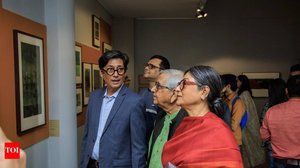
ganesh chandra haloi
1936 - , Bangladesh
Quick Facts
- Artistic Movement Or Style: Abstract Expressionism
- Date Of Birth: 1936
- Full Name: Ganesh Chandra Haloi
- Nationality: Indian
- Notable Artworks: ['Nature-scapes on rice paper']
- Place Of Birth: Jamalpur, Bangladesh

