 Preview
 Send
Send Share
Share
 Details

 Download
 Similars
 X-Ray
X-Ray Diaporama
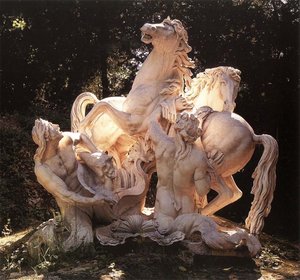
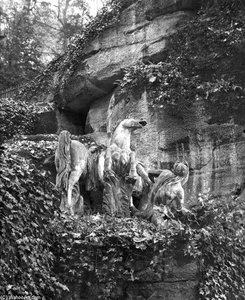
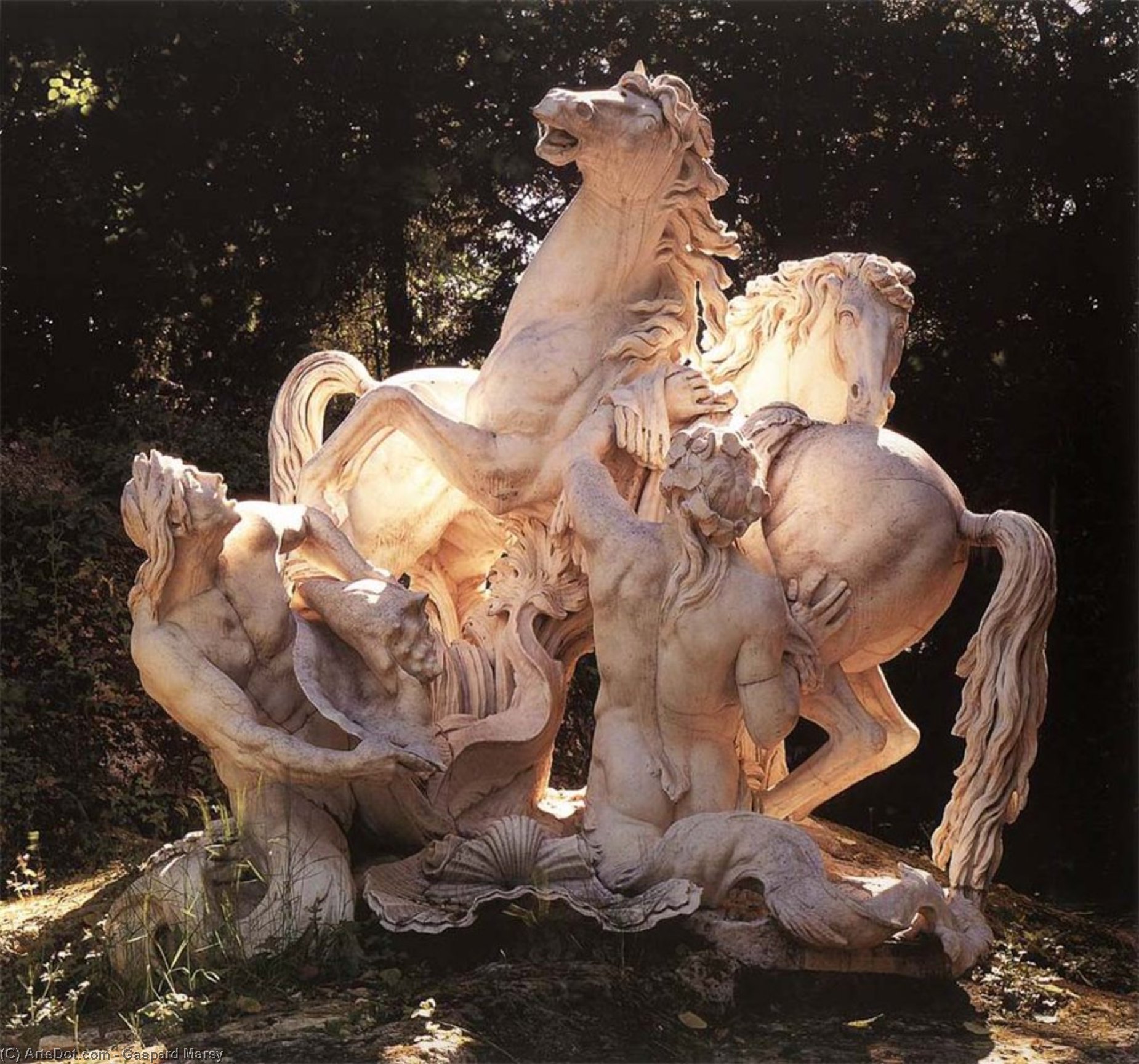
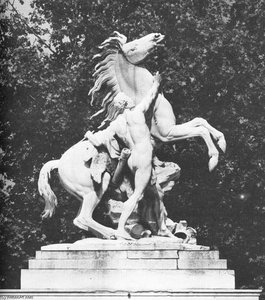
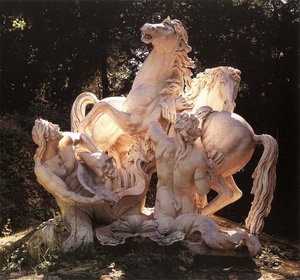
The Horses Of The Sun
 Read More
Giclée / Art Print
Museum-quality giclée or canvas print with fast production and flexible finish options. ( Buy Hand Made Painting Buy Image)




































Pick from our preset sizes that match the artwork's original proportions.

You may enter your own dimensions to fit a specific frame or space. If your selected size does not match the original image's proportions, we will either crop the artwork or extend the image with a mirrored or solid-fill edge. A digital mockup will be sent for your approval before production begins.
Please note that the on-screen preview does not reflect the actual cropping or extension. Only the mockup will accurately show the final composition.
While custom sizes are available, we recommend selecting a dimension from the predefined list to preserve the original proportions.
Worldwide Delivery () in 2 weeks instead of standard 4/5 weeks. (23 August)

Free Worldwide Express Shipping

High-Quality Linen Canvas

Full Shipping Insurance

Customs Tax Refund Guarantee

True Color Matching Guarantee

60-Day Return Policy (Defects Only)

100% Money-Back Guarantee

Bulk Discount Offer
 Glass option is only available in size under 110 CM

The Horses Of The Sun
Giclée / Art Print
Reproduction Size
-


Total Price
$ 63
Related Artworks

Artist Biography
Early Life and Formation in Cambrai
Gaspard Marsy, born in the vibrant Flemish city of Cambrai around 1624, emerged from a family deeply entrenched in the artistic traditions of Northern France. His father, Jaspard Marsy the Elder, was a prominent sculptor, carver, and art dealer who dominated the local scene during the mid-17th century. This familial environment provided young Gaspard with an early immersion into the world of sculpture, likely assisting his father in various projects and absorbing the foundational skills that would shape his future career. Cambrai at this time flourished as a center for Baroque art, exposing him to the dramatic lighting, opulent ornamentation, and meticulous detail characteristic of Flemish masters like Rubens and Van Dyck—influences that would become deeply ingrained in his artistic vision.
The Parisian Ascent and Royal Patronage
In 1648, Gaspard and his younger brother Balthazar embarked on a pivotal journey to Paris, seeking to refine their talents under the tutelage of leading sculptors. Their dedication quickly bore fruit; both brothers were admitted into the prestigious Académie royale de peinture et de sculpture in 1655—a testament to their burgeoning skill and promise. However, it was their association with King Louis XIV that truly propelled them to prominence. The royal court, under the Sun King’s ambitious vision, became their primary patron, commissioning monumental works for the lavish decoration of the Palace and Gardens of Versailles.
Versailles: A Symphony in Stone
The brothers Marsy's most enduring legacy lies within the sprawling grounds of Versailles. Their collaborative efforts transformed spaces into immersive experiences that celebrated Louis XIV’s absolutist rule and glorified mythological narratives. Among their most celebrated achievements is the *Bassin d'Encelade* (Basin of Enceladus), completed between 1675 and 1677. This dynamic composition depicts the giant Enceladus, punished by the gods, struggling beneath a cascade of water—a powerful allegory for the triumph of order over chaos. Their contributions extended to the Apollo Fountain and Bacchus Basin, each sculpture meticulously crafted to evoke a sense of grandeur and theatricality.
A Shared Style: Baroque Dynamism and Royal Ideals
The Marsy brothers developed a distinctive style characterized by dynamic compositions, fluid forms, and a less restrained classicism compared to some of their contemporaries. Their sculptures possessed an unparalleled sense of realism, achieved through meticulous attention to anatomy, drapery, and texture. They skillfully employed techniques such as chiseling, polishing, and gilding to elevate the material itself into a symbol of royal power and artistic excellence. The brothers’ work wasn't merely decorative; it was deeply intertwined with the political and ideological ambitions of Louis XIV, emphasizing mythological themes that reinforced the Sun King’s divine right to rule.
Legacy and Family Connections
The untimely death of Balthazar in 1674 marked the end of their celebrated partnership. Gaspard continued as a leading royal sculptor, undertaking projects such as work on the queen mother's apartments at the Louvre while also diversifying into investments and restorations. The Marsy family’s artistic influence extended beyond Gaspard and Balthazar; their sister Jeanne was married to the esteemed sculptor Pierre Le Gros the Elder, and she became the mother of Pierre Le Gros the Younger, further solidifying the family’s presence within the French sculptural landscape. Today, the sculptures of Gaspard and Balthazar Marsy remain integral to understanding the aesthetic ideals of Louis XIV's court and the broader artistic panorama of 17th-century France—a testament to their enduring legacy as masters of Baroque sculpture.
Gaspard Marsy
1624 - 1681 , France
Quick Facts
- Artistic Movement Or Style: Baroque
- Date Of Birth: 1624
- Full Name: Gaspard Marsy
- Nationality: French
- Notable Artworks: ['Tritons Grooming Two Horses Of The Sun']
- Place Of Birth: Cambrai, France