

 Preview
 Send
Send Share
Share
 Details

 Download
 Similars
 X-Ray
X-Ray Diaporama
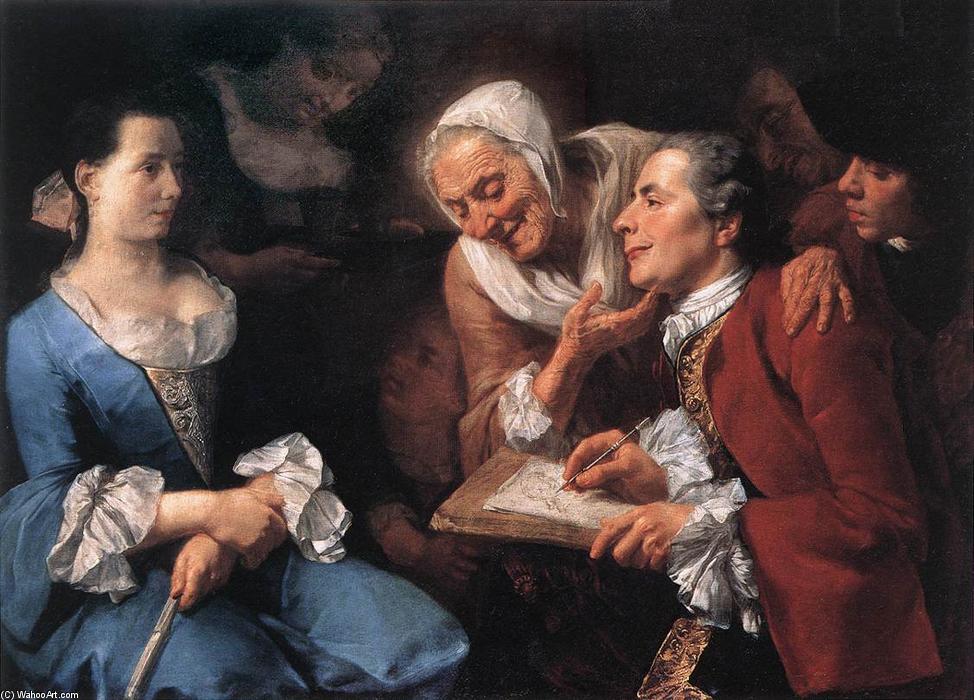
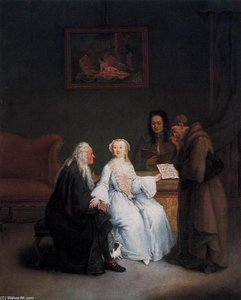
The Sitting
 Oil On Canvas
- WallArt
- Baroque Dramatic Vision
 1754
1754- Early Modern
 99.0 x 130.0 cm
 The Louvre
 Read More
Purchase a high-resolution, enhanced digital image, far superior to the online preview.
Each file is meticulously prepared by our in-house specialists using advanced tools and expert manual retouching. We ensure every image has exceptional clarity, precise color accuracy, and fine detail.
The final file is delivered via email within 72 hours, optimized for immediate use in professional, editorial, and print environments. This is the same quality trusted by top-tier design studios, publishers, and galleries.
Digital Image
Download a high-resolution file for personal display, printing, and creative projects. ( Buy Print Buy Hand Made Painting)
Included in Every Digital Image Order
Expert Digital Delivery, Guaranteed
When you choose ArtsDot.com, you're not just getting an image - you're receiving a professionally enhanced digital artwork, crafted with precision and backed by a satisfaction guarantee. Here's everything that comes with your order, automatically:

Fast Email Delivery
Your high-resolution digital image file will be emailed to you within 72 hours of ordering - ready for immediate use.

AI-Enhanced Digital File
Your artwork is professionally optimized using advanced AI tools and manual editing, ensuring maximum detail, clarity, and color accuracy.

Free Lifetime Re-Delivery
Accidentally deleted or lost your file? No worries - we'll resend it to you anytime, free of charge.

No Import Fees - Ever
Enjoy your artwork instantly with zero customs, duties, or delivery fees - digital downloads are always tax-free.

Color Accuracy Guarantee
We ensure your digital image reflects the original colors as closely as possible using professional tools and color management.

60-Day Satisfaction Guarantee
If you're not satisfied with your digital image, we'll revise it or refund 100% within 60 days - no questions asked.

100% Money-Back Guarantee
Not satisfied? Get a full refund within 60 days of receiving your digital file - no questions asked.

Bulk Order Discounts
Buy 3 images, save 10% - Buy 5, save 15% - Buy 10+, save 20%. Great for creative projects, galleries, and agencies.
Collectible Description
A Venetian Baroque Painter's Dramatic Vision: Gaspare Traversi and "The Sitting"
Gaspare Traversi (1722-1770) occupies an unusual position within the artistic fervor of Naples during the Rococo era—a fascination for opulent ornamentation and pastel hues that nonetheless harbors a profound connection to Caravaggist ideals. Born to Genoese merchant parents in Naples, he initiated his artistic vocation under the tutelage of Francesco Solimena, a formative alliance that irrevocably shaped his stylistic trajectory and cemented his devotion to dramatic chiaroscuro – the masterful interplay of light and shadow championed by Michelangelo Merisi da Caravaggio. This influence extended beyond mere technique; it instilled within Traversi a conviction that art should convey emotion with uncompromising intensity, mirroring the turbulent spirit of the Baroque period itself. Collaborations & Contemporaries: Traversi’s artistic journey wasn't solitary. He flourished alongside fellow Solimena pupils like Giuseppe Bonito and Francesco de Mura, engaging in spirited dialogues about artistic innovation and upholding a tradition rooted in Venetian Baroque grandeur. Active primarily between 1732 and 1769, his commissions spanned Parma—a testament to his reputation as a respected artist—and positioned him amongst the vanguard of his time, sharing canvases with luminaries such as Giovanni Lorenzo Berti. These encounters fostered intellectual exchange and propelled Traversi’s artistic vision forward, ensuring that his legacy would endure beyond the confines of Naples. The Painting: “The Sitting,” executed in 1754, exemplifies Traversi's distinctive style—a captivating blend of Caravaggist realism and Venetian Baroque elegance. The scene depicts a distinguished gathering of individuals seated around a table, bathed in subdued illumination that accentuates the textures of richly embroidered fabrics and the meticulous detail rendered with oil paints on canvas. At the center stands a man adorned in scarlet robes, his gaze fixed upon a writing desk—a gesture laden with symbolic significance, representing intellectual pursuit and formal authority. To his right rests an elderly woman offering silent comfort, her presence embodying familial devotion and understated grace. The composition’s careful arrangement contributes to its emotional resonance, inviting contemplation on themes of wisdom, compassion, and the passage of time. Technique & Material Considerations: Traversi's mastery lay in his ability to harness the transformative power of oil paint—a medium favored by Venetian artists for centuries—to achieve unparalleled luminosity and depth. He employed a layering technique known as sfumato – subtly blending tonal variations to soften outlines and create an ethereal atmosphere – mirroring Caravaggio’s groundbreaking approach to rendering human form. The artist meticulously applied pigment with brushes, painstakingly capturing the nuances of light and shadow to imbue “The Sitting” with palpable realism. Furthermore, Traversi utilized a preparatory underpainting in grisaille—a monochrome technique employing shades of gray—to establish tonal values before applying color, guaranteeing that the final artwork would resonate with profound emotional impact. Historical Context & Symbolic Resonance: "The Sitting" emerged during a period marked by intellectual ferment and artistic experimentation—the waning years of Venetian Baroque coinciding with the burgeoning Enlightenment. The painting’s depiction of scholarly pursuits reflects the era's preoccupation with reason and knowledge, challenging prevailing superstitions and advocating for humanist values. Moreover, the figures embody archetypal roles – patriarch, matriarch, sage – conveying timeless truths about human relationships and moral responsibility. Ultimately, Traversi’s artwork transcends its immediate historical setting, offering viewers a glimpse into enduring questions concerning beauty, truth, and the human condition—a testament to the enduring power of art to inspire contemplation and provoke emotion across generations.Related Artworks

Artist Biography
Gaspare Traversi: A Venetian Baroque Painter's Dramatic Vision
Gaspare Traversi (1722-1770) stands as a singular figure in the vibrant artistic landscape of Naples during the Rococo era, yet his stylistic affinities extend far beyond the confines of Campania. Born to Genoese merchant parents in Naples, he embarked on an artistic journey marked by meticulous training under Francesco Solimena—a pivotal encounter that cemented his allegiance to Caravaggist principles—and fostered collaborations with fellow Solimena pupils like Giuseppe Bonito and Francesco de Mura. Active primarily between 1732 and 1769, Traversi’s oeuvre transcends regional boundaries, encompassing commissions in Parma and establishing him as a contemporary of luminaries such as Giovanni Lorenzo Berti.- Early Training & Solimena Influence: Traversi's formative years were spent honing his craft under Francesco Solimena, arguably Naples’ most celebrated Baroque painter. This mentorship instilled within him the dramatic chiaroscuro technique characteristic of Caravaggio—a stylistic cornerstone that would permeate his subsequent works.
- Genre Painting & Venetian Style: Traversi distinguished himself as a genre painter, capturing scenes of everyday life with remarkable psychological depth and theatrical flair. His canvases frequently depict animated bourgeois gatherings, imbued with an unsettling sense of claustrophobia and punctuated by expressive facial expressions—a stylistic hallmark reminiscent of Hogarth’s satirical portraits.
- Religious Iconography & Caravaggist Drama: Despite his adherence to Venetian Baroque influences, Traversi's religious paintings retain a visceral immediacy akin to Caravaggio’s masterpieces. He skillfully employs tenebrism—the dramatic interplay of light and shadow—to heighten emotional impact and convey profound spiritual contemplation.
- Notable Commissions & Collaborations: Traversi secured prestigious commissions throughout Italy, notably in Parma where he collaborated with Giovanni Lorenzo Berti on a monumental portrait depicting Saint Margaret of Cortona. This collaborative effort exemplifies Traversi’s commitment to exploring complex narratives and conveying moral lessons through visual storytelling.
A Venetian Baroque Painter's Dramatic Vision
Traversi’s artistic sensibility aligns closely with the Venetian Baroque tradition, particularly evident in his meticulous attention to detail and his masterful manipulation of light and shadow—techniques perfected by artists like Pietro Pellegrino Paladino and Giovanni Battista Tiepolo. His canvases pulsate with dynamism, mirroring the theatrical grandeur favored by Venetian painters during their golden age. The influence of Caravaggio is undeniable, manifesting itself in Traversi’s penchant for dramatic compositions and his unflinching portrayal of human emotion.- Caravaggist Technique: Traversi's use of tenebrism—the stark contrast between light and dark—is a deliberate homage to Caravaggio’s revolutionary approach to painting, prioritizing emotional intensity over idealized beauty.
- Psychological Depth & Dramatic Composition: Like Caravaggio, Traversi delves into the psychological complexities of his subjects, capturing fleeting expressions of emotion with uncanny accuracy. His canvases are characterized by dynamic compositions that propel the narrative forward and engage the viewer’s gaze.
Satirical Observations & Moralistic Tales
Traversi's genre paintings transcend mere depiction; they serve as astute social commentaries, exposing the follies and pretensions of the aristocratic elite with biting wit and unflinching honesty. His canvases frequently portray animated groups of bourgeois protagonists crammed into confined spaces—a stylistic device that underscores the psychological pressures inherent in societal hierarchies. Traversi’s works resonate with moralistic tales—much like Caravaggio's “The Fortune Teller”—offering viewers a glimpse into the anxieties and contradictions of his time.- Social Critique: Traversi’s satirical portraits expose hypocrisy and vanity within the upper echelons of society, reflecting the broader intellectual currents of the Enlightenment.
- Moralistic Narrative: His canvases convey moral lessons through dramatic narratives—a stylistic characteristic shared with Caravaggio—challenging viewers to confront uncomfortable truths about human behavior.
Legacy & Influence
Despite lacking pupils, Gaspare Traversi exerted a considerable influence on subsequent generations of Neapolitan artists, notably Lorenzo de Caro and Giuseppe Bonito. His distinctive style—characterized by dramatic chiaroscuro, psychological depth, and moralistic narratives—continues to inspire admiration and scholarly debate. Robert Longhi’s monograph solidified Traversi's reputation as a pivotal figure in Venetian Baroque art, ensuring his enduring legacy within the annals of Italian painting history.
Gaspare Traversi
1722 - 1770 , Italy
Quick Facts
- Artistic Movement Or Style: Rococo
- Artists Or Movements Influenced By This Artist:
- Hogarth
- Longhi
- Artists Who Influenced This Artist: ['Francesco Solimena']
- Date Of Birth: Naples, Italy (1722)
- Date Of Death: 1770
- Full Name: Gaspare Traversi
- Nationality: Italian
- Notable Artworks:
- Saint Margaret of Cortona
- Job mocked by his wife.
- Reading a Letter
- Place Of Birth: Naples

