

 Preview
 Send
Send Share
Share
 Details

 Download
 Similars
 X-Ray
X-Ray Diaporama
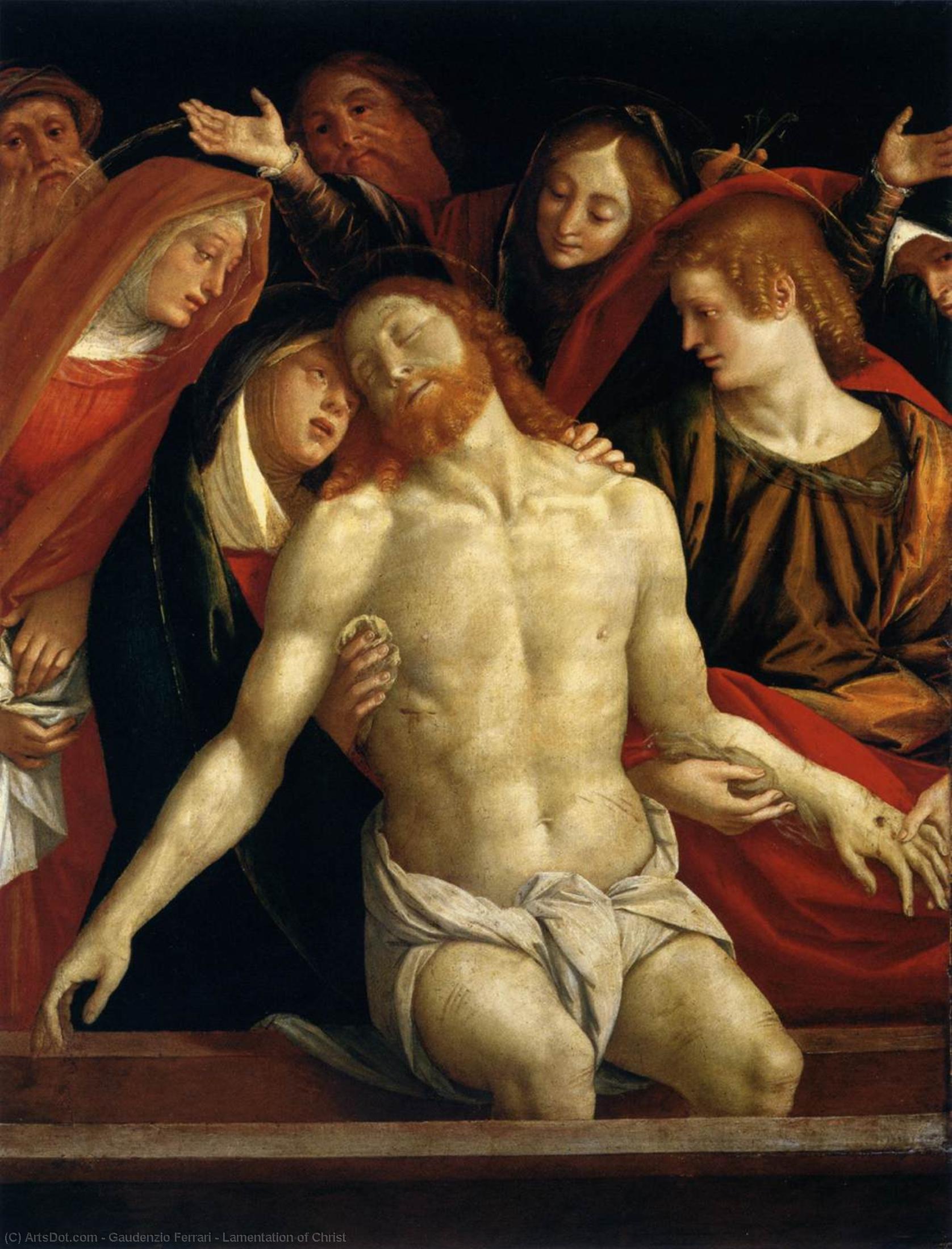
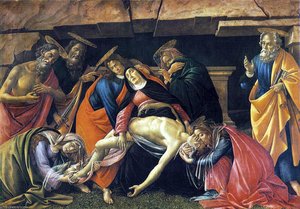
Lamentation of Christ
 Acrylic On Canvas
- WallArt
- Renaissance Painting
 1527
1527 118.0 x 92.0 cm
 Szépmûvészeti Múzeum
 Read More
Purchase a high-resolution, enhanced digital image, far superior to the online preview.
Each file is meticulously prepared by our in-house specialists using advanced tools and expert manual retouching. We ensure every image has exceptional clarity, precise color accuracy, and fine detail.
The final file is delivered via email within 72 hours, optimized for immediate use in professional, editorial, and print environments. This is the same quality trusted by top-tier design studios, publishers, and galleries.
Digital Image
Download a high-resolution file for personal display, printing, and creative projects. ( Buy Print Buy Hand Made Painting)
Included in Every Digital Image Order
Expert Digital Delivery, Guaranteed
When you choose ArtsDot.com, you're not just getting an image - you're receiving a professionally enhanced digital artwork, crafted with precision and backed by a satisfaction guarantee. Here's everything that comes with your order, automatically:

Fast Email Delivery
Your high-resolution digital image file will be emailed to you within 72 hours of ordering - ready for immediate use.

AI-Enhanced Digital File
Your artwork is professionally optimized using advanced AI tools and manual editing, ensuring maximum detail, clarity, and color accuracy.

Free Lifetime Re-Delivery
Accidentally deleted or lost your file? No worries - we'll resend it to you anytime, free of charge.

No Import Fees - Ever
Enjoy your artwork instantly with zero customs, duties, or delivery fees - digital downloads are always tax-free.

Color Accuracy Guarantee
We ensure your digital image reflects the original colors as closely as possible using professional tools and color management.

60-Day Satisfaction Guarantee
If you're not satisfied with your digital image, we'll revise it or refund 100% within 60 days - no questions asked.

100% Money-Back Guarantee
Not satisfied? Get a full refund within 60 days of receiving your digital file - no questions asked.

Bulk Order Discounts
Buy 3 images, save 10% - Buy 5, save 15% - Buy 10+, save 20%. Great for creative projects, galleries, and agencies.
Collectible Description
A Profound Expression of Grief: Gaudenzio Ferrari’s Lamentation of Christ
Gaudenzio Ferrari's "Lamentation of Christ," completed in 1527, stands as a testament to the Renaissance preoccupation with human emotion and spiritual contemplation. Executed during a period marked by artistic innovation and religious fervor—specifically commissioned for the Sacro Monte of Varallo—this painting transcends mere depiction; it strives to convey the agonizing sorrow experienced by Mary Magdalene, Saint John the Evangelist, and other mourners as they contemplate the crucified Christ’s lifeless body. The artwork resides within the Accademia Albertina in Turin, offering visitors a glimpse into a pivotal moment in Christian iconography.Subject Matter and Composition
The scene portrays Jesus lying supine on a marble slab, draped in crimson robes—a deliberate choice reflecting the liturgical tradition of portraying Christ's death as a sacrificial offering. Mary Magdalene kneels beside him, her face etched with grief, while Saint John leans over his shoulder, mirroring her sorrowful gaze. The inclusion of a solitary bird perched atop the slab adds an element of symbolic significance – often interpreted as representing mourning and remembrance—further enriching the narrative’s emotional depth. Ferrari skillfully arranges figures within a shallow space, creating a sense of intimacy and immediacy that draws the viewer into the scene's poignant drama.Style and Technique: Renaissance Emotion Embodied
Ferrari’s approach aligns perfectly with the stylistic conventions of the High Renaissance, prioritizing expressive realism over idealized beauty. The artist employs oil paint on panel—a favored medium during this era—allowing for nuanced tonal gradations and capturing subtle nuances of emotion. Ferrari's palette is dominated by earthy hues – ochre, russet-red, and bright red – skillfully blended to evoke a palpable sense of sorrow and despair. The brushstrokes are loose and dynamic, conveying movement and conveying the raw intensity of grief. This technique distinguishes itself from earlier artistic styles, prioritizing psychological realism over formal elegance.Historical Context: Faith and Artistic Reflection
“Lamentation of Christ” emerged during a time when humanist ideals were reshaping European thought and art. The Renaissance witnessed an renewed interest in classical antiquity alongside a fervent devotion to Christianity—a dynamic that fueled artistic endeavors aimed at conveying spiritual truths. Ferrari’s work reflects the broader cultural preoccupation with grief, loss, and divine compassion—themes prevalent throughout Christian iconography of the period. Its placement within the Sacro Monte – a pilgrimage site dedicated to commemorating the Virgin Mary's Immaculate Conception – underscores its significance as a devotional masterpiece intended to inspire contemplation and evoke profound emotional responses.Symbolism: Grief, Remembrance, and Divine Sorrow
Beyond its narrative depiction of Christ’s death, “Lamentation of Christ” is laden with symbolic elements. The crimson robes symbolize sacrificial blood—a cornerstone of Christian theology—while the bird represents mourning and remembrance. Ferrari's masterful use of color contributes to the painting's emotional impact, conveying sorrowful hues that resonate deeply with viewers. The composition itself reinforces this symbolism by positioning Mary Magdalene and Saint John as witnesses to Christ’s suffering—underscoring the importance of human compassion in confronting mortality and embracing faith.Emotional Impact: A Window into Sacred Sorrow
Ferrari’s “Lamentation of Christ” succeeds in capturing the essence of grief – a profound emotion that transcends mere visual representation. The artist's expressive brushwork, combined with his careful attention to tonal nuance, evokes palpable sorrow and compassion. It invites contemplation on themes of loss, faith, and divine mercy—leaving an indelible impression on anyone who encounters it. This artwork remains a powerful reminder of the human capacity for empathy and spiritual reflection—a timeless masterpiece that continues to inspire awe and reverence centuries after its creation.Related Artworks

Artist Biography
Michelangelo Buonarroti: A Titan of the Renaissance
Michelangelo, a name synonymous with artistic genius and unparalleled mastery, remains one of the most revered figures in Western art history. Born in Caprese, near Arezzo, in 1475, he was not simply an artist; he was a sculptor, painter, architect, draughtsman, and poet—a true Renaissance man who embodied the era’s ideals of human potential and creative exploration. His life, marked by both extraordinary triumphs and personal struggles, culminated in works that continue to captivate audiences centuries later. From the poignant beauty of his early sculptures to the dramatic frescoes adorning the Sistine Chapel, Michelangelo's legacy is one of profound innovation and enduring influence.Early Life and Artistic Training
Michelangelo’s childhood was steeped in a complex family dynamic. His father, Lodovico Buonarroti Simoni, a member of a minor Florentine noble family, initially resisted his son's ambition to pursue art, viewing it as an unsuitable profession for a man of standing. However, Michelangelo’s undeniable talent eventually won out, and he was apprenticed to the renowned sculptor Domenico Ghirlandaio at the age of thirteen. This early training provided him with a solid foundation in technique but also exposed him to the conventions of Florentine painting—a tradition that Michelangelo would later both embrace and transcend. Crucially, his time under Lorenzo de’ Medici, the “ Magnificent,” proved transformative. The young artist was granted access to the Medici family's vast collection of classical sculptures, sparking a lifelong fascination with ancient Greek and Roman art and profoundly shaping his artistic vision. This exposure instilled in him a deep respect for proportion, anatomy, and the idealized human form—elements that would become hallmarks of his work.Sculptural Masterpieces: David, Pietà, and Beyond
Michelangelo’s early career was dominated by sculpture, and he quickly established himself as a prodigious talent. The *Pietà* (1498-9), carved from a single block of marble in St. Peter's Basilica, is arguably his most moving work—a breathtaking depiction of the Virgin Mary cradling the dead Christ that showcases an astonishing command of form and emotion. The sculpture’s serene beauty and profound sense of grief continue to resonate with viewers today. Shortly after, he created *David* (1501-4), a colossal marble statue representing the biblical hero David before his battle with Goliath. This masterpiece, originally intended for the Florence Cathedral, became a symbol of Florentine civic pride and republican ideals—a testament to courage, strength, and defiance. Throughout his career, Michelangelo produced numerous other sculptures, including *Bacchus*, *Moses*, and several unfinished works for Pope Julius II’s tomb, each demonstrating his unparalleled skill and innovative approach to depicting the human figure.The Sistine Chapel: A Ceiling of Divine Drama
Perhaps Michelangelo's most ambitious undertaking was the fresco cycle on the ceiling of the Sistine Chapel in Vatican City (1508-1512). Commissioned by Pope Julius II, this monumental project pushed Michelangelo to his creative limits. Working under challenging conditions—suspended from scaffolding high above the chapel floor—he produced a series of breathtaking frescoes depicting scenes from Genesis, including *The Creation of Adam*, one of the most iconic images in Western art. The sheer scale and complexity of the undertaking, combined with the dramatic intensity of the figures and compositions, cemented Michelangelo’s reputation as a genius. Beyond the narrative scenes, the ceiling is also notable for its intricate detailing, vibrant colors, and masterful use of perspective—a testament to Michelangelo's technical virtuosity.Architectural Contributions and Lasting Legacy
While primarily known for his sculpture and painting, Michelangelo was also a significant architect. He designed several important buildings in Rome, including the Laurentian Library (1520-34) and the dome of St. Peter’s Basilica (completed after his death). His architectural designs were characterized by their innovative use of space, dynamic forms, and classical influences—reflecting his broader artistic vision. Michelangelo's influence on Western art is immeasurable. He revolutionized sculpture with his emphasis on anatomical accuracy, emotional expression, and dramatic dynamism. His frescoes in the Sistine Chapel set a new standard for ceiling painting, inspiring generations of artists. His architectural designs continue to be studied and admired for their elegance and innovation. Michelangelo died in Rome in 1564, leaving behind a body of work that remains both profoundly moving and technically astonishing—a testament to his genius and a cornerstone of Western artistic heritage.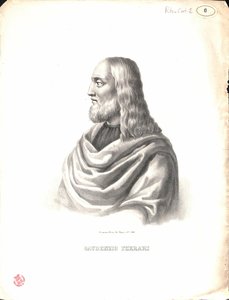
gaudenzio ferrari
1475 - 1546 , Italy
Quick Facts
- Artistic Movement Or Style: High Renaissance, Mannerism
- Artists Or Movements Influenced By This Artist:
- Raphael
- Botticelli
- Artists Who Influenced This Artist:
- Donatello
- Leonardo da Vinci
- Date Of Birth: March 6, 1475
- Date Of Death: February 18, 1564
- Full Name: Michelangelo di Lodovico Buonarroti Simoni
- Nationality: Italian
- Notable Artworks:
- Pietà
- David
- Sistine Chapel ceiling
- The Creation of Adam
- Moses
- The Last Judgment
- Place Of Birth: Caprese, Italy

