

 Preview
 Send
Send Share
Share
 Details

 Download
 Similars
 X-Ray
X-Ray Diaporama
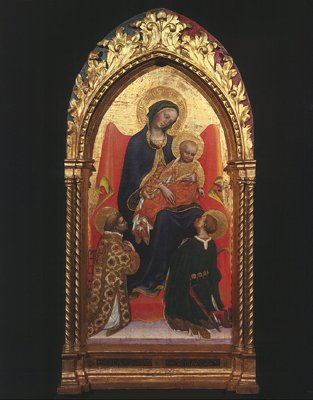
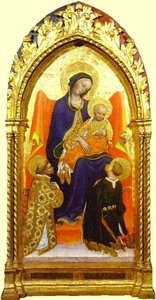
Madonna and Child, with Sts. Lawrence

 Read More
Purchase a high-resolution, enhanced digital image, far superior to the online preview.
Each file is meticulously prepared by our in-house specialists using advanced tools and expert manual retouching. We ensure every image has exceptional clarity, precise color accuracy, and fine detail.
The final file is delivered via email within 72 hours, optimized for immediate use in professional, editorial, and print environments. This is the same quality trusted by top-tier design studios, publishers, and galleries.
Digital Image
Download a high-resolution file for personal display, printing, and creative projects. ( Buy Print Buy Hand Made Painting)
Included in Every Digital Image Order
Expert Digital Delivery, Guaranteed
When you choose ArtsDot.com, you're not just getting an image - you're receiving a professionally enhanced digital artwork, crafted with precision and backed by a satisfaction guarantee. Here's everything that comes with your order, automatically:

Fast Email Delivery
Your high-resolution digital image file will be emailed to you within 72 hours of ordering - ready for immediate use.

AI-Enhanced Digital File
Your artwork is professionally optimized using advanced AI tools and manual editing, ensuring maximum detail, clarity, and color accuracy.

Free Lifetime Re-Delivery
Accidentally deleted or lost your file? No worries - we'll resend it to you anytime, free of charge.

No Import Fees - Ever
Enjoy your artwork instantly with zero customs, duties, or delivery fees - digital downloads are always tax-free.

Color Accuracy Guarantee
We ensure your digital image reflects the original colors as closely as possible using professional tools and color management.

60-Day Satisfaction Guarantee
If you're not satisfied with your digital image, we'll revise it or refund 100% within 60 days - no questions asked.

100% Money-Back Guarantee
Not satisfied? Get a full refund within 60 days of receiving your digital file - no questions asked.

Bulk Order Discounts
Buy 3 images, save 10% - Buy 5, save 15% - Buy 10+, save 20%. Great for creative projects, galleries, and agencies.
Collectible Description
A Renaissance Vision of Motherhood & Divine Grace
This exquisite painting, *Madonna and Child, with Sts. Lawrence*, embodies the serene beauty and spiritual depth characteristic of Early Renaissance Italian art. Created by the masterful Gentile da Fabriano (c. 1370-1427), a leading figure in the International Gothic style, this work is more than just a religious depiction; it’s a testament to the era's evolving artistic sensibilities and devotion.Subject & Composition: A Pyramidal Harmony
The artwork centers on the iconic image of the *Madonna and Child*, radiating tenderness and grace. The Virgin Mary is depicted holding the infant Jesus, surrounded by angelic figures – specifically St. Lawrence (and potentially another saint as indicated in research). The composition adheres to a classic pyramidal structure, a common Renaissance technique that lends stability and draws the viewer’s eye upwards towards the central figures. This arrangement emphasizes their sacred status and importance within the scene.Style & Technique: International Gothic Refinement
Gentile da Fabriano was renowned for his opulent style, blending elements of Italian and Northern European traditions. The painting showcases a meticulous attention to detail, evident in the rich textures of fabrics, the delicate features of the figures, and the intricate ornamentation of the frame. The technique likely involves tempera or oil paint on wood panel, allowing for layering of pigments and creating a tactile quality. While perspective is somewhat flattened – typical of early Renaissance works – depth is achieved through overlapping forms and subtle tonal variations. The predominant use of linear and geometric lines, particularly in architectural elements, adds to the painting’s formal structure.Symbolism & Iconography: Layers of Meaning
Every element within the artwork carries symbolic weight. The halos surrounding the figures signify their divine status. The luxurious clothing worn by Mary and the angels denotes royalty and piety. Further research suggests the presence of St. Lawrence, a deacon martyred in Rome, adding layers of religious narrative and devotion to the piece. The overall scene evokes themes of maternal love, spiritual purity, and the promise of salvation.Historical Context: A Bridge Between Eras
Gentile da Fabriano’s career spanned a pivotal period in art history – the transition from the Gothic to the Renaissance. He skillfully blended the decorative elegance of the International Gothic style with emerging Renaissance ideals of realism and humanism. His work served as an important bridge, influencing subsequent generations of artists and paving the way for the High Renaissance. Born near Fabriano, Italy, he worked in prominent cities like Venice, collaborating with other masters such as Jacopo Bellini and Pisanello.Emotional Impact & Aesthetic Appeal
This painting evokes a sense of serenity, devotion, and spiritual contemplation. The soft lighting, harmonious colors, and graceful figures create an atmosphere of peace and reverence. The ornate gilded frame further enhances the artwork’s grandeur and religious aura. Whether viewed in a museum setting or as a high-quality reproduction within a home, this *Madonna and Child* offers a timeless expression of faith, beauty, and artistic mastery. It is a piece that invites quiet reflection and appreciation for the enduring power of Renaissance art.Key Features
- Artist: Gentile da Fabriano (c. 1370-1427)
- Style: Early Renaissance, International Gothic
- Technique: Tempera or Oil on Wood Panel
- Subject: Madonna and Child with St. Lawrence (and potentially another saint)
- Emotional Impact: Serenity, Devotion, Spiritual Contemplation
Related Artworks
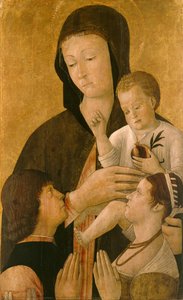
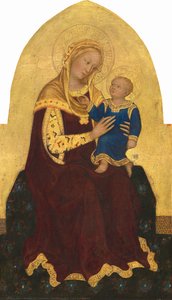
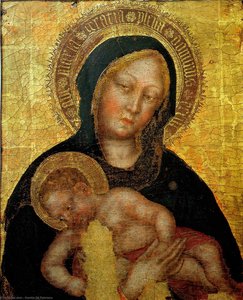
Artist Biography
A Luminary of the International Gothic: The Life and Art of Gentile da Fabriano
Gentile da Fabriano, a name synonymous with the opulent grace of the International Gothic style, emerged from the artistic landscape of late 14th-century Italy. Born around 1370 in the picturesque town of Fabriano, nestled in the Marche region, his early life remains shrouded in some mystery. We know his mother passed away before 1380 and that his father, Niccolò di Giovanni Massi, sought solace within a monastery by 1385 – events that likely shaped the young Gentile’s formative years. Though details of his initial training are scarce, it's evident from his earliest known work, the Madonna with Child (c. 1395-1400), now in Berlin, that he absorbed the refined aesthetics of late Gothic painting prevalent in northern Italy. This early piece already hints at the delicate precision and elegant forms that would come to define his mature style.Venetian Flourishes and a Rising Reputation
By approximately 1405, Gentile had established himself as a working artist in Venice, a vibrant hub of commerce and cultural exchange. Here, he undertook commissions such as a panel for the church of Santa Sofia – sadly now lost to time – and collaborated with prominent artists like Jacopo Bellini. His Venetian period brought him into contact with other influential figures, including Pisanello and Michelino da Besozzo, fostering an artistic dialogue that enriched his evolving style. It was during this time he began to develop a reputation for meticulous detail and a sophisticated use of color, characteristics that would become hallmarks of his work. The frescoes commissioned for the Doge’s Palace, depicting a naval battle, though also lost, demonstrate his ability to tackle large-scale narrative compositions. His travels and collaborations broadened his artistic horizons, preparing him for even greater achievements in the years to come.Masterpieces of Faith and Form: Florence and Beyond
The period between 1410 and 1412 saw Gentile creating one of his most celebrated works, the Valle Romita Polyptych, now housed in the Pinacoteca di Brera. This complex altarpiece showcases his mastery of composition, color harmony, and intricate detail. However, it was his move to Florence in 1420 that truly cemented his legacy. Commissioned by the wealthy merchant Palla Strozzi, Gentile embarked on what is arguably his most iconic creation: the Adoration of the Magi (1423), now gracing the halls of the Uffizi Gallery. This masterpiece exemplifies the International Gothic style at its zenith – a dazzling display of opulent fabrics, exquisite jewels, and graceful figures arranged in a meticulously crafted scene. The painting is not merely a religious depiction; it’s a celebration of wealth, power, and artistic skill. Gentile's use of gold leaf and vibrant colors creates an otherworldly luminescence, drawing the viewer into the sacred narrative. His Florentine period also yielded other significant works, including the Intercession Altarpiece and the Quaratesi Polyptych, each demonstrating his continued refinement of technique and artistic vision.A Lasting Influence: Legacy and Historical Significance
Gentile da Fabriano’s life was tragically cut short; he died before October 14, 1427, and was buried either in Rome or Florence – the exact location of his final resting place remains uncertain. Despite his relatively brief career, his impact on Italian art was profound. He bridged the gap between the late Gothic tradition and the emerging Renaissance aesthetic, influencing a generation of artists with his refined technique and elegant style. His emphasis on detailed observation, naturalistic representation, and sophisticated color palettes paved the way for the innovations of artists like Masaccio and Fra Angelico. Gentile’s work stands as a testament to the enduring power of beauty, craftsmanship, and artistic vision – a shining example of the International Gothic at its most glorious.- Explore further insights into the International Gothic style through resources available at ArtsDot.com.
- Delve deeper into his life and work with information from Wikipedia.
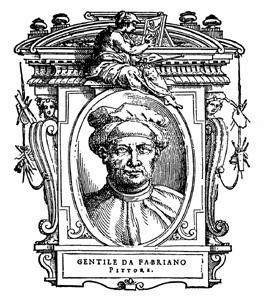
Gentile da Fabriano
1370 - 1427 , Italy
Quick Facts
- Artistic Movement Or Style: International Gothic
- Artists Or Movements Influenced By This Artist: ['Early Renaissance painters']
- Artists Who Influenced This Artist: ['Northern Italian late-Gothic']
- Date Of Birth: c. 1370
- Date Of Death: 1427
- Full Name: Gentile da Fabriano
- Nationality: Italian
- Notable Artworks:
- Adoration of the Magi
- Valle Romita Polyptych
- Place Of Birth: Fabriano, Italy

