

 Preview
 Send
Send Share
Share
 Details

 Download
 Similars
 X-Ray
X-Ray Diaporama
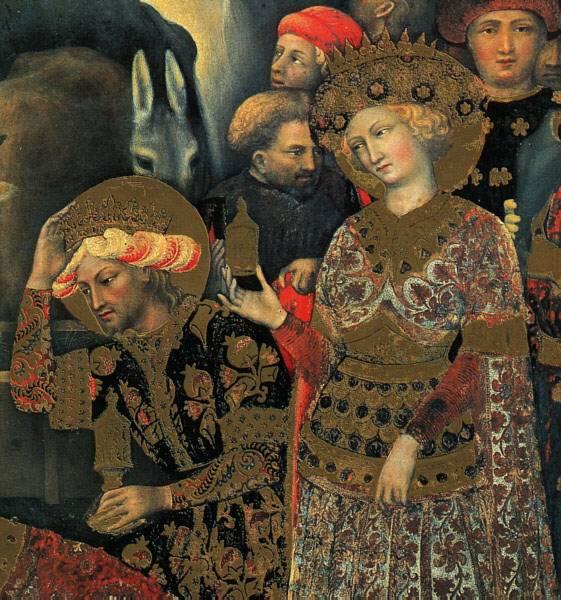
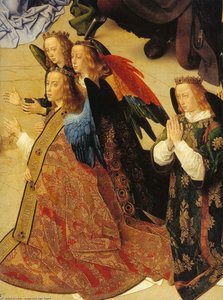
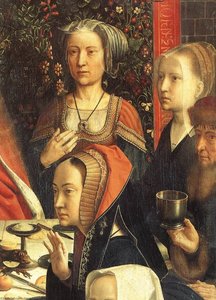
The Adoration of the Magi (detail)


 Read More
Purchase a high-resolution, enhanced digital image, far superior to the online preview.
Each file is meticulously prepared by our in-house specialists using advanced tools and expert manual retouching. We ensure every image has exceptional clarity, precise color accuracy, and fine detail.
The final file is delivered via email within 72 hours, optimized for immediate use in professional, editorial, and print environments. This is the same quality trusted by top-tier design studios, publishers, and galleries.
Digital Image
Download a high-resolution file for personal display, printing, and creative projects. ( Buy Print Buy Hand Made Painting)
Included in Every Digital Image Order
Expert Digital Delivery, Guaranteed
When you choose ArtsDot.com, you're not just getting an image - you're receiving a professionally enhanced digital artwork, crafted with precision and backed by a satisfaction guarantee. Here's everything that comes with your order, automatically:

Fast Email Delivery
Your high-resolution digital image file will be emailed to you within 72 hours of ordering - ready for immediate use.

AI-Enhanced Digital File
Your artwork is professionally optimized using advanced AI tools and manual editing, ensuring maximum detail, clarity, and color accuracy.

Free Lifetime Re-Delivery
Accidentally deleted or lost your file? No worries - we'll resend it to you anytime, free of charge.

No Import Fees - Ever
Enjoy your artwork instantly with zero customs, duties, or delivery fees - digital downloads are always tax-free.

Color Accuracy Guarantee
We ensure your digital image reflects the original colors as closely as possible using professional tools and color management.

60-Day Satisfaction Guarantee
If you're not satisfied with your digital image, we'll revise it or refund 100% within 60 days - no questions asked.

100% Money-Back Guarantee
Not satisfied? Get a full refund within 60 days of receiving your digital file - no questions asked.

Bulk Order Discounts
Buy 3 images, save 10% - Buy 5, save 15% - Buy 10+, save 20%. Great for creative projects, galleries, and agencies.
Collectible Description
Gentile da Fabriano: A Luminary of the International Gothic
Gentile da Fabriano (c. 1370-1427) stands as one of the most remarkable figures in late Medieval art, embodying the zenith of the International Gothic style—a movement that captivated Europe with its breathtaking blend of elegance, meticulous detail, and otherworldly beauty. Born around 1370 in Fabriano, a thriving textile center nestled within the Marche region of Italy, his early life remains shrouded in some obscurity, mirroring the artistic uncertainties of the era. What *is* known is that he possessed an innate talent for painting—evident from his debut masterpiece, the Madonna with Child (c. 1395-1400), now housed in Berlin—where he immediately absorbed the refined aesthetic principles championed by Northern Italian masters like Andrea Mantegna and Piero della Francesca. This formative piece foreshadowed the distinctive visual language that would characterize his subsequent artistic endeavors.- Early Training & Influences: Gentile’s initial training likely occurred under Maestro Benedetto Bembo, a prominent Florentine painter who instilled in him a profound appreciation for classical ideals and humanist thought—a crucial counterpoint to the prevailing religious fervor of the time.
- Venetian Flourishes & Expanding Horizons: Around 1405, Gentile embarked on a journey to Venice, where he encountered the burgeoning artistic dynamism of the Serenissima Republic. This exposure broadened his stylistic repertoire and cemented his connection with Venetian artists like Giovanni Bellini, whose subtle tonal harmonies and expressive brushwork profoundly impacted Gentile’s own technique.
The Adoration of the Magi: A Symphony of Color & Light
Gentile da Fabriano's magnum opus—the *Adoration of the Magi*, commissioned by Palla Strozzi, a wealthy banker and connoisseur residing in Florence—represents an unparalleled achievement of International Gothic artistry. Executed circa 1423, this monumental altarpiece transcends mere depiction; it aspires to evoke profound spiritual contemplation through masterful manipulation of color and light—a hallmark of the style’s ambition. The panel, signed by Gentile himself, is considered the most significant exemplar of International Gothic painting in Italy, securing its place as a cornerstone of Renaissance art history.- Composition & Perspective: The scene unfolds with remarkable spatial depth, achieved through innovative perspectival techniques—a departure from traditional Byzantine iconography and foreshadowing developments within Early Renaissance painting.
- Symbolism & Iconography: Each element within the composition carries symbolic weight, reflecting medieval theological doctrines concerning humility, reverence, and divine grace. Notably, the depiction of Mary—presented with serene dignity—underscores the Virgin’s role as mediator between heaven and earth.
Technique & Material Innovation
Gentile da Fabriano's artistic prowess is evident in his meticulous attention to detail—a characteristic trait of International Gothic painters who prioritized textural richness and luminous color palettes. He employed tempera paint on gilded poplar wood, utilizing a technique that combined egg yolk with pigment—resulting in vibrant hues and unparalleled brilliance. Furthermore, the incorporation of gold leaf—particularly prominent in the draperies and halos—elevates the altarpiece to an astonishing level of opulence—a deliberate gesture intended to convey divine majesty and inspire awe within the viewer. The meticulous layering of glazes—creating subtle gradations of color—further enhances the painting’s ethereal quality, capturing the elusive beauty of light and shadow with breathtaking precision.- Gilded Poplar Wood: Gentile skillfully utilized gilded poplar wood as a substrate, maximizing the reflective properties of gold leaf to amplify the luminosity of the pigments.
- Glazing Technique: The artist’s masterful glazing technique—applying thin layers of translucent pigment—produced mesmerizing tonal harmonies and captured the subtle nuances of light diffusion.
Legacy & Enduring Influence
Gentile da Fabriano's *Adoration of the Magi* stands as a testament to the transformative power of artistic innovation—a beacon illuminating the path toward Renaissance splendor. His stylistic legacy extended far beyond his own lifetime, influencing generations of artists who embraced the International Gothic aesthetic and subsequently propelled the burgeoning Renaissance movement forward. Today, this masterpiece continues to captivate audiences worldwide—serving as an enduring symbol of medieval piety and artistic genius—inspiring admiration for its sublime beauty and prompting contemplation on its profound spiritual significance. Its meticulous detail and luminous color palette remain a source of inspiration for interior designers and art lovers alike, securing its place as one of the most treasured treasures of European art history.Related Artworks

Artist Biography
A Luminary of the International Gothic: The Life and Art of Gentile da Fabriano
Gentile da Fabriano, a name synonymous with the opulent grace of the International Gothic style, emerged from the artistic landscape of late 14th-century Italy. Born around 1370 in the picturesque town of Fabriano, nestled in the Marche region, his early life remains shrouded in some mystery. We know his mother passed away before 1380 and that his father, Niccolò di Giovanni Massi, sought solace within a monastery by 1385 – events that likely shaped the young Gentile’s formative years. Though details of his initial training are scarce, it's evident from his earliest known work, the Madonna with Child (c. 1395-1400), now in Berlin, that he absorbed the refined aesthetics of late Gothic painting prevalent in northern Italy. This early piece already hints at the delicate precision and elegant forms that would come to define his mature style.Venetian Flourishes and a Rising Reputation
By approximately 1405, Gentile had established himself as a working artist in Venice, a vibrant hub of commerce and cultural exchange. Here, he undertook commissions such as a panel for the church of Santa Sofia – sadly now lost to time – and collaborated with prominent artists like Jacopo Bellini. His Venetian period brought him into contact with other influential figures, including Pisanello and Michelino da Besozzo, fostering an artistic dialogue that enriched his evolving style. It was during this time he began to develop a reputation for meticulous detail and a sophisticated use of color, characteristics that would become hallmarks of his work. The frescoes commissioned for the Doge’s Palace, depicting a naval battle, though also lost, demonstrate his ability to tackle large-scale narrative compositions. His travels and collaborations broadened his artistic horizons, preparing him for even greater achievements in the years to come.Masterpieces of Faith and Form: Florence and Beyond
The period between 1410 and 1412 saw Gentile creating one of his most celebrated works, the Valle Romita Polyptych, now housed in the Pinacoteca di Brera. This complex altarpiece showcases his mastery of composition, color harmony, and intricate detail. However, it was his move to Florence in 1420 that truly cemented his legacy. Commissioned by the wealthy merchant Palla Strozzi, Gentile embarked on what is arguably his most iconic creation: the Adoration of the Magi (1423), now gracing the halls of the Uffizi Gallery. This masterpiece exemplifies the International Gothic style at its zenith – a dazzling display of opulent fabrics, exquisite jewels, and graceful figures arranged in a meticulously crafted scene. The painting is not merely a religious depiction; it’s a celebration of wealth, power, and artistic skill. Gentile's use of gold leaf and vibrant colors creates an otherworldly luminescence, drawing the viewer into the sacred narrative. His Florentine period also yielded other significant works, including the Intercession Altarpiece and the Quaratesi Polyptych, each demonstrating his continued refinement of technique and artistic vision.A Lasting Influence: Legacy and Historical Significance
Gentile da Fabriano’s life was tragically cut short; he died before October 14, 1427, and was buried either in Rome or Florence – the exact location of his final resting place remains uncertain. Despite his relatively brief career, his impact on Italian art was profound. He bridged the gap between the late Gothic tradition and the emerging Renaissance aesthetic, influencing a generation of artists with his refined technique and elegant style. His emphasis on detailed observation, naturalistic representation, and sophisticated color palettes paved the way for the innovations of artists like Masaccio and Fra Angelico. Gentile’s work stands as a testament to the enduring power of beauty, craftsmanship, and artistic vision – a shining example of the International Gothic at its most glorious.- Explore further insights into the International Gothic style through resources available at ArtsDot.com.
- Delve deeper into his life and work with information from Wikipedia.

Gentile da Fabriano
1370 - 1427 , Italy
Quick Facts
- Artistic Movement Or Style: International Gothic
- Artists Or Movements Influenced By This Artist: ['Early Renaissance painters']
- Artists Who Influenced This Artist: ['Northern Italian late-Gothic']
- Date Of Birth: c. 1370
- Date Of Death: 1427
- Full Name: Gentile da Fabriano
- Nationality: Italian
- Notable Artworks:
- Adoration of the Magi
- Valle Romita Polyptych
- Place Of Birth: Fabriano, Italy

