 Preview
 Send
Send Share
Share
 Details

 Download
 Similars
 X-Ray
X-Ray Diaporama
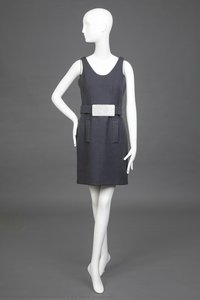
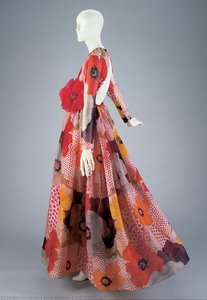
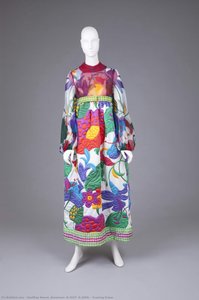
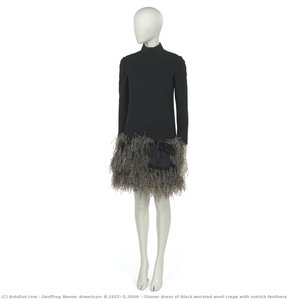
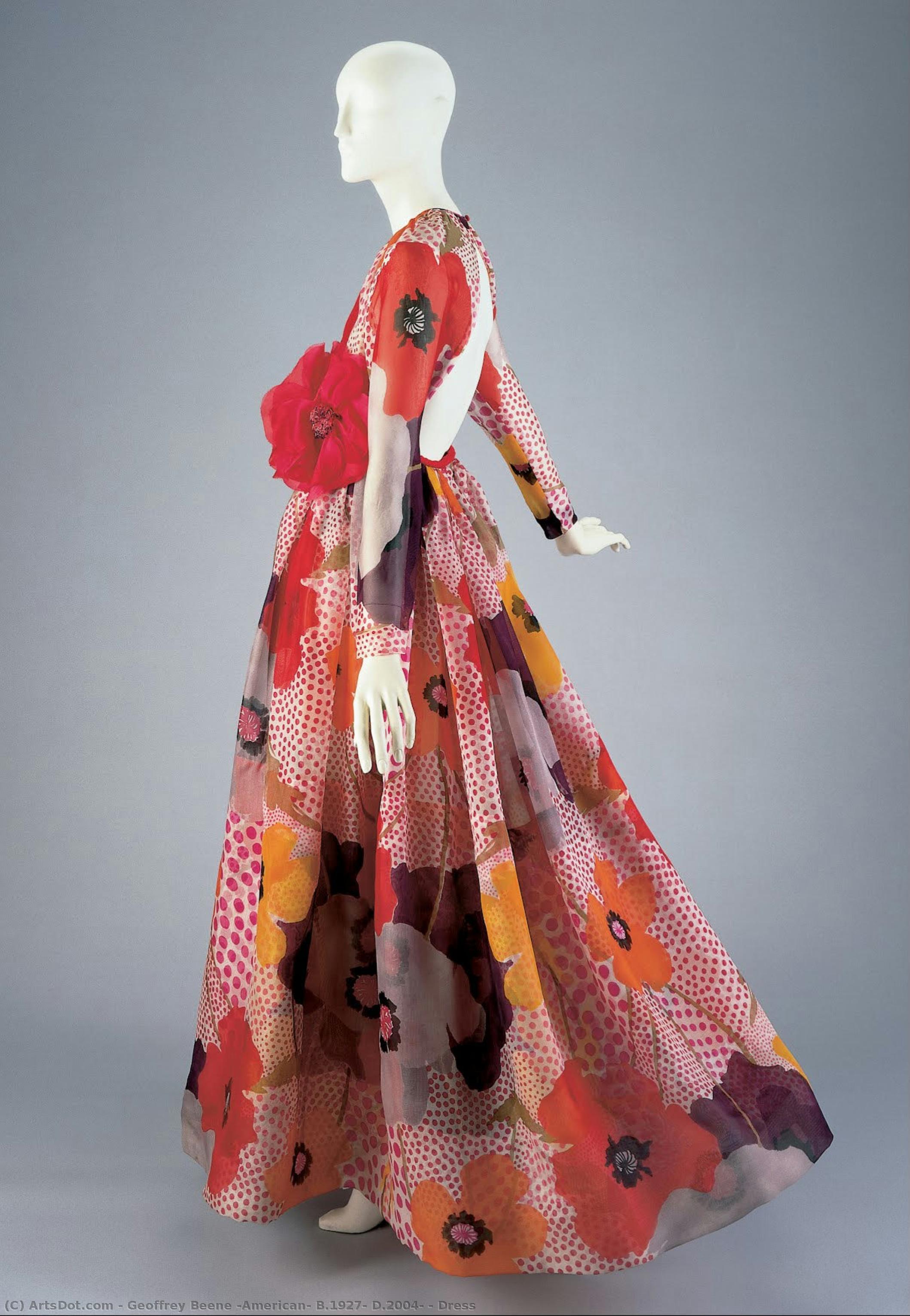
Dress

 Read More
Hand Made Oil Reproduction
Hand-painted oil on canvas in your size and frame, made to order by our artists. ( Buy Print Buy Image)




































Pick from our preset sizes that match the artwork's original proportions.

You may enter your own dimensions to fit a specific frame or space. If your selected size does not match the original image's proportions, we will either crop the artwork or extend the painting with additional hand-painted elements. A digital mockup will be sent for your approval before production begins.
Please note that the on-screen preview does not reflect the actual cropping or extension. Only the mockup will accurately show the final composition.
While custom sizes are available, we recommend selecting a dimension from the predefined list to preserve the original proportions.
After order, ArtsDot.com team will email client for instructions and provide a mockup preview
Worldwide Delivery () in 3/4 weeks instead of standard 5 weeks. (22 August). No compromise on quality.

Free Worldwide Express Shipping

High-Quality Linen Canvas

Full Shipping Insurance

Customs Tax Refund Guarantee

True Color Matching Guarantee

60-Day Return Policy (Defects Only)

100% Money-Back Guarantee

Bulk Discount Offer
 Glass option is only available in size under 110 CM

Dress
Reproduction Medium
Reproduction Size
-


Total Price
$ 263
Artwork Description
Related Artworks








Artist Biography
A Cerebral Architect of American Fashion: The Life and Legacy of Geoffrey Beene
Geoffrey Beene, born Samuel Albert Bozeman Jr. in 1924 in the quiet Louisiana town of Haynesville, was a figure who defied easy categorization within the world of fashion. His journey began not with sketches and fabrics, but with the rigorous discipline of pre-med studies at Tulane University. It wasn’t until he traded anatomy textbooks for fashion illustrations—a clandestine habit during his medical training—that a different calling took root. This early divergence foreshadowed a career defined by intellectual curiosity and an unconventional approach to design. Beene's initial foray into the world of style led him through Los Angeles, where he honed his visual skills at I. Magnin, before ultimately gravitating towards New York City’s Traphagen School of Fashion. However, it was Paris that proved transformative. Immersing himself in the post-war fervor ignited by Christian Dior's “New Look,” Beene found a deeper inspiration in the playful experimentation of Elsa Schiaparelli—a designer who dared to blend art and fashion with wit and audacity. This encounter instilled in him a belief that clothing could be more than mere adornment; it could be an expression of ideas, a celebration of form, and a testament to innovative construction.From Harmay to Independence: Forging a Unique Aesthetic
Returning to New York in 1949, Beene embarked on a period of apprenticeship, first with Harmay and then Teal Traina. These experiences provided valuable technical grounding but also highlighted the constraints of commercial expectations. The desire for artistic freedom ultimately led him to establish his own firm, Geoffrey Beene, Inc., in 1963—a pivotal moment that allowed him to fully realize his singular vision. He quickly garnered recognition, receiving a Coty American Fashion Critics' Award just a year later and securing a coveted feature on the cover of Vogue Magazine. The 1970s marked a period of bold experimentation for Beene, as he challenged conventional notions of luxury by incorporating unexpected materials like sweatshirt fleece and denim into his evening wear designs. This willingness to subvert expectations was coupled with an astute understanding of silhouette; in 1971, he launched the “Beene Bag” line, offering accessible versions of his couture creations to a wider audience. Beyond clothing, Beene expanded his brand through licensing agreements—most notably with Grey Flannel cologne in 1975, which became a timeless fragrance and earned him a FIFI Award in 1976.A Master of Construction and Minimalism
Geoffrey Beene’s designs were characterized by a remarkable interplay of simplicity and sophistication. He wasn't interested in fleeting trends; instead, he focused on the fundamental principles of cut, shape, and texture. His garments often featured clean lines, geometric forms, and an understated elegance that resonated with a discerning clientele. He approached fabric as a sculptural medium, manipulating it to create volume, movement, and unexpected effects. The use of innovative materials—horsehair, metallic threads, and unconventional blends—became hallmarks of his work. Beene’s evening gowns were particularly celebrated for their architectural quality; they weren't simply draped on the body but rather constructed around it, offering a sense of both structure and fluidity. He was known to sketch directly onto muslin, experimenting with draping techniques and challenging traditional pattern-making methods. This dedication to technical mastery earned him the title “the architect of American clothing.”Recognition and Enduring Influence
Throughout his illustrious career, Geoffrey Beene received numerous accolades, including eight Coty Awards—a record unmatched by any other designer. In 1986, he was honored with the Council of Fashion Designers of America’s Designer of the Year award, solidifying his position as a leading figure in American fashion. He broke barriers in 1976 becoming the first American designer to showcase a collection in Milan, Italy. Beene's influence extended beyond the realm of high fashion; he inspired generations of designers with his commitment to innovation and his unwavering pursuit of artistic expression. His legacy continues to be felt today, as contemporary designers draw inspiration from his minimalist aesthetic, his masterful construction techniques, and his belief that clothing should be both beautiful and functional. While the Geoffrey Beene brand has undergone changes in ownership—acquired by PVH in 2018 and later Authentic Brands Group in 2021, with Versa Group taking the license in 2023—the core principles of his design philosophy remain a powerful force in the fashion world.A Lasting Symbolism
- Cerebral Approach: Beene’s designs were not merely about aesthetics but reflected an intellectual curiosity and a deep understanding of form, structure, and materials.
- Minimalist Elegance: He eschewed fleeting trends in favor of clean lines, geometric shapes, and understated sophistication.
- Architectural Quality: His garments were often constructed around the body, offering a sense of both structure and fluidity—earning him the title “the architect of American clothing.”
- Innovation in Materials: Beene’s willingness to experiment with unconventional fabrics like sweatshirt fleece, denim, horsehair, and metallic threads set him apart from his contemporaries.
- Breaking Barriers: He was the first American designer to show a collection in Milan, Italy, paving the way for greater recognition of American fashion on the international stage.
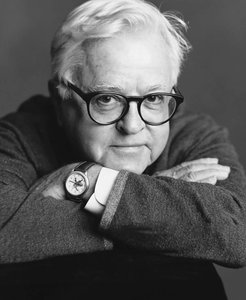
geoffrey beene (american, b.1927, d.2004)
1927 - 2004 , United States of America
Quick Facts
- Artistic Movement Or Style: Modernist Clothing
- Artists Who Influenced This Artist: ['Elsa Schiaparelli']
- Date Of Birth: 1927
- Date Of Death: 2004
- Full Name: Geoffrey Beene
- Nationality: American
- Place Of Birth: Haynesville, USA