

 Preview
 Send
Send Share
Share
 Details

 Download
 Similars
 X-Ray
X-Ray Diaporama
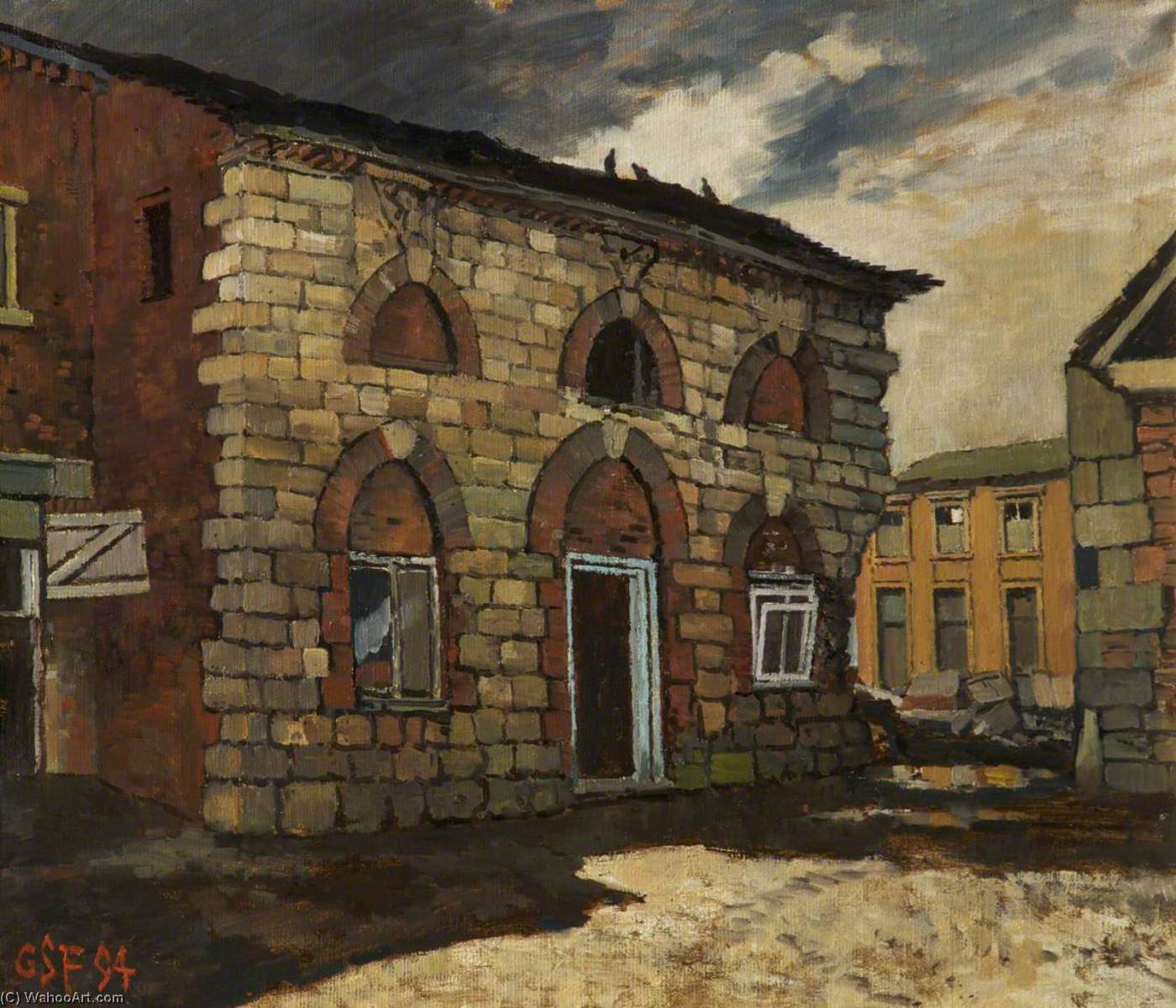
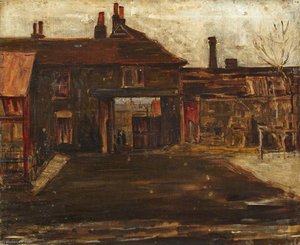
Ruined Farm, Seddon's Fold, Kearsley
 Contemporary Realism
 1994
1994- Contemporary
 54.0 x 70.0 cm
 Bolton Museum And Art Gallery
 Read More
Purchase a high-resolution, enhanced digital image, far superior to the online preview.
Each file is meticulously prepared by our in-house specialists using advanced tools and expert manual retouching. We ensure every image has exceptional clarity, precise color accuracy, and fine detail.
The final file is delivered via email within 72 hours, optimized for immediate use in professional, editorial, and print environments. This is the same quality trusted by top-tier design studios, publishers, and galleries.
Digital Image
Download a high-resolution file for personal display, printing, and creative projects. ( Buy Print Buy Hand Made Painting)
Included in Every Digital Image Order
Expert Digital Delivery, Guaranteed
When you choose ArtsDot.com, you're not just getting an image - you're receiving a professionally enhanced digital artwork, crafted with precision and backed by a satisfaction guarantee. Here's everything that comes with your order, automatically:

Fast Email Delivery
Your high-resolution digital image file will be emailed to you within 72 hours of ordering - ready for immediate use.

AI-Enhanced Digital File
Your artwork is professionally optimized using advanced AI tools and manual editing, ensuring maximum detail, clarity, and color accuracy.

Free Lifetime Re-Delivery
Accidentally deleted or lost your file? No worries - we'll resend it to you anytime, free of charge.

No Import Fees - Ever
Enjoy your artwork instantly with zero customs, duties, or delivery fees - digital downloads are always tax-free.

Color Accuracy Guarantee
We ensure your digital image reflects the original colors as closely as possible using professional tools and color management.

60-Day Satisfaction Guarantee
If you're not satisfied with your digital image, we'll revise it or refund 100% within 60 days - no questions asked.

100% Money-Back Guarantee
Not satisfied? Get a full refund within 60 days of receiving your digital file - no questions asked.

Bulk Order Discounts
Buy 3 images, save 10% - Buy 5, save 15% - Buy 10+, save 20%. Great for creative projects, galleries, and agencies.
Collectible Description
A Melancholic Glimpse into the Past
In the evocative monochrome study Ruined Farm, Seddon's Fold, Kearsley, the viewer is transported to a moment of quiet stillness, where the weight of history rests heavily upon the landscape. Created in 1994 by the master of urban decay, Geoffrey Scowcroft Fletcher, this piece serves as a poignant window into a vanishing era. The composition centers on a weathered structure, its stone or brick facade marked by the passage of time and the slow encroachment of neglect. Through the use of large, arched windows that gaze out like hollow eyes, Fletcher invites us to contemplate the skeletal remains of what was once a functional piece of the English countryside. The presence of a solitary car parked at the periphery provides a jarring yet fascinating temporal anchor, bridging the gap between the ancient, crumbling architecture and the creeping modernity of the late twentieth century.
The artist’s technical prowess is on full display through his masterful command of light and shadow within a grayscale palette. By stripping away the distraction of color, Fletcher forces the eye to focus on texture, form, and the subtle gradients of light that dance across the masonry. The interplay between the deep, dark recesses of the arches and the soft, diffused light hitting the side of the building creates a profound sense of depth and volume. This monochromatic approach does more than just replicate an old photograph; it elevates the scene to a level of romantic realism, where every crack in the stone and every shadow in the corner tells a story of endurance and eventual decline.
The Poetics of Decay and Architectural Memory
Beyond its physical depiction, Ruined Farm, Seddon's Fold, Kearsley functions as a profound meditation on the concept of transience. Fletcher, a painter deeply moved by the "forgotten details" of London and beyond, utilizes this specific site to explore the symbolism of the ruin. The abandoned building is not merely a subject of architectural interest but a symbol of the inevitable cycle of growth and decay that defines human civilization. There is a palpable sense of nostalgia embedded in the brushwork—a longing for the era when these structures were vibrant centers of activity, now reduced to silent monuments of a bygone way of life.
For the discerning collector or interior designer, this artwork offers a sophisticated emotional resonance that can anchor a room with gravity and grace. Its understated elegance makes it an ideal centerpiece for spaces that value historical depth and contemplative moods. Whether placed in a contemporary gallery setting or a classic study, the painting’s ability to evoke a sense of "melancholic sensitivity" provides a conversation piece that transcends mere decoration. It is an invitation to pause, to look closely at the textures of time, and to find beauty in the quiet, crumbling corners of our shared history.
Related Artworks



![[carved Mayan Stone Figure, Mayan Ruins Chichen Itza] — Octavio Medellín, Documentary Photography](/media/artworks/images-thumb/3e/74/3e7411e624d6a7864e9a67148e78f93c.jpg)
Artist Biography
Geoffrey Scowcroft Fletcher: A Londoner’s Eye
Geoffrey Scowcroft Fletcher (1923-2004) wasn't a grand, sweeping painter of historical epics or monumental landscapes. Instead, he carved his legacy from the quiet corners of London – the gaslit alleys, the crumbling terraces, the forgotten details that whispered stories of a city in constant flux. Born in Bolton, Lancashire, into a family with strong artistic leanings, Fletcher’s early life instilled a keen observational eye and a deep appreciation for the everyday. This foundation would prove crucial to his distinctive style, which blended romantic realism with an almost melancholic sensitivity towards urban decay and the passage of time.
His formal training at the Slade School of Art in London provided a solid technical base, but it was his subsequent scholarship to the British School at Rome that truly ignited his artistic vision. Immersed in the classical beauty of Italy, Fletcher began to develop a more nuanced approach to capturing light and atmosphere – an element he would later bring back to his beloved London.
The Chronicle of a City
Fletcher’s most celebrated work, *The London Nobody Knows* (1962), cemented his reputation as a unique chronicler of the capital. This meticulously researched book, accompanied by stunning drawings and insightful commentary, ventured beyond the iconic landmarks to explore the hidden pockets of London – the forgotten corners where life unfolded in quiet dignity. It wasn’t merely a record of architectural details; it was an elegy for a disappearing world, a poignant reminder of the city's layered history and its vulnerability to change. The book’s success led to a 1967 documentary film adaptation, directed by Norman Cohen and narrated by James Mason, further amplifying Fletcher’s voice and perspective.
Following *The London Nobody Knows*, Fletcher continued to document the city through his work for *The Daily Telegraph*, contributing drawings and text to their “London Day By Day” column. This sustained engagement with the urban landscape allowed him to develop a deep understanding of its rhythms, its inhabitants, and its ever-shifting character. His writing style mirrored his visual approach – intimate, observant, and imbued with a quiet melancholy.
A Painter’s Palette: Style and Technique
Fletcher's artistic style defies easy categorization. He wasn’t rigidly committed to any single movement, instead drawing upon elements of romantic realism and impressionism to create a uniquely personal visual language. His paintings are characterized by meticulous detail – the texture of stone in works like ‘Arnside Tower,’ the play of light on water in ‘Thames Barges off Southend’ – yet they never feel overly precise or academic. There's a looseness, an almost painterly spontaneity that imbues his work with life and energy.
He employed oil paints with skill, layering colors to create depth and atmosphere, often using subtle gradations of tone to evoke mood and emotion. His drawings, frequently executed in charcoal or pen and ink, shared the same meticulous attention to detail and a similar sensitivity to light and shadow. His subjects – from crumbling warehouses to bustling market stalls – were rendered with an almost photographic realism, yet always imbued with a sense of warmth and humanity.
Beyond London: Landscapes and Echoes
While inextricably linked with London in the public imagination, Fletcher’s artistic scope extended far beyond the capital. He possessed an innate ability to capture the essence of place, whether it was the rugged beauty of Cumbria, as exemplified in his evocative painting ‘Arnside Tower,’ or the serene coastal scenes of Essex. ‘Thames Barges off Southend’ beautifully illustrates this talent – a masterful Impressionistic rendering of weathered piers and moody skies, capturing not just the visual appearance of the scene but also its atmosphere and emotional resonance.
Even in works like ‘Llandudno, Punch & Judy,’ a vibrant depiction of a seaside amusement scene, there is a sense of nostalgia, a subtle acknowledgement of the fleeting nature of joy and entertainment. Fletcher’s landscapes weren't idealized depictions; they were honest portrayals of rural England, often featuring crumbling structures or scenes touched by time, reflecting his enduring fascination with history and decay.
Legacy and Influence
Geoffrey Scowcroft Fletcher remains a significant figure in British art, largely due to his unique perspective on London. His work offers a valuable glimpse into the city’s past, its present, and its potential future. His meticulous attention to detail, combined with his sensitive portrayal of urban life, has earned him a devoted following among collectors and art enthusiasts alike. Fletcher's legacy lies not in grand pronouncements or revolutionary techniques, but in his quiet, observant eye – an eye that captured the soul of London and continues to resonate with viewers today.
geoffrey scowcroft fletcher
1923 - 2004
Quick Facts
- Artistic Movement Or Style: Romantic realism, Impressionism
- Artists Or Movements Influenced By This Artist:
- Brent Scowcroft
- British Abstract Expressionism
- Artists Who Influenced This Artist:
- Percy Fletcher
- Albert Richardson
- Date Of Birth: 1923-04-03
- Date Of Death: 2004
- Full Name: Geoffrey Scowcroft Fletcher
- Nationality: British
- Notable Artworks:
- The London Nobody Knows
- Arnside Tower
- Thames Barges off Southend
- Llandudno, Punch & Judy
- Place Of Birth: Bolton, Lancashire

