

 Preview
 Send
Send Share
Share
 Details

 Download
 Similars
 X-Ray
X-Ray Diaporama
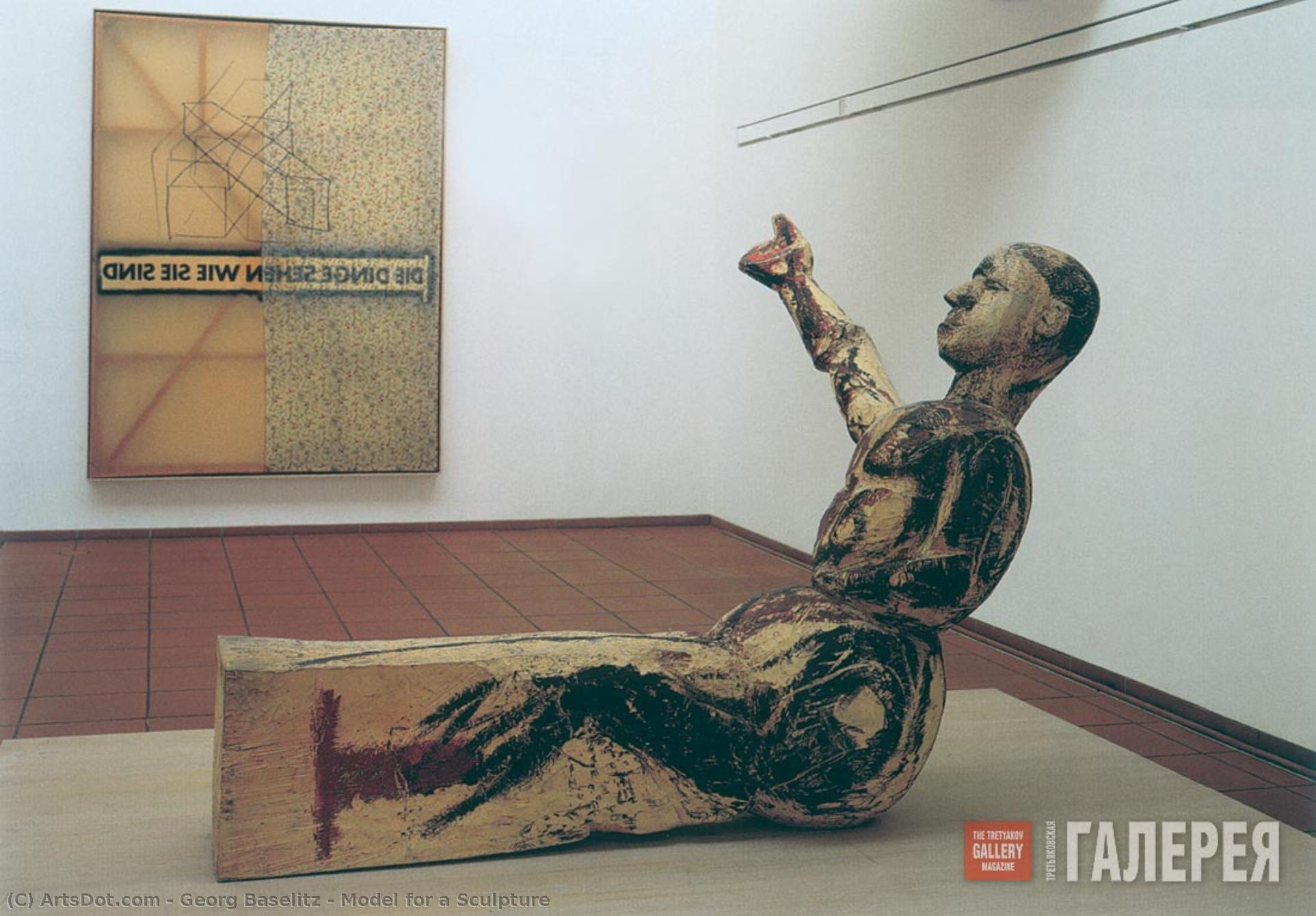
Model for a Sculpture


 Read More
Purchase a high-resolution, enhanced digital image, far superior to the online preview.
Each file is meticulously prepared by our in-house specialists using advanced tools and expert manual retouching. We ensure every image has exceptional clarity, precise color accuracy, and fine detail.
The final file is delivered via email within 72 hours, optimized for immediate use in professional, editorial, and print environments. This is the same quality trusted by top-tier design studios, publishers, and galleries.
Digital Image
Download a high-resolution file for personal display, printing, and creative projects. ( Buy Print Buy Hand Made Painting)
Included in Every Digital Image Order
Expert Digital Delivery, Guaranteed
When you choose ArtsDot.com, you're not just getting an image - you're receiving a professionally enhanced digital artwork, crafted with precision and backed by a satisfaction guarantee. Here's everything that comes with your order, automatically:

Fast Email Delivery
Your high-resolution digital image file will be emailed to you within 72 hours of ordering - ready for immediate use.

AI-Enhanced Digital File
Your artwork is professionally optimized using advanced AI tools and manual editing, ensuring maximum detail, clarity, and color accuracy.

Free Lifetime Re-Delivery
Accidentally deleted or lost your file? No worries - we'll resend it to you anytime, free of charge.

No Import Fees - Ever
Enjoy your artwork instantly with zero customs, duties, or delivery fees - digital downloads are always tax-free.

Color Accuracy Guarantee
We ensure your digital image reflects the original colors as closely as possible using professional tools and color management.

60-Day Satisfaction Guarantee
If you're not satisfied with your digital image, we'll revise it or refund 100% within 60 days - no questions asked.

100% Money-Back Guarantee
Not satisfied? Get a full refund within 60 days of receiving your digital file - no questions asked.

Bulk Order Discounts
Buy 3 images, save 10% - Buy 5, save 15% - Buy 10+, save 20%. Great for creative projects, galleries, and agencies.
Related Artworks
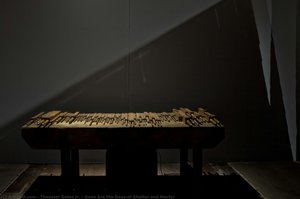
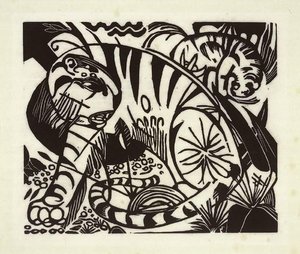
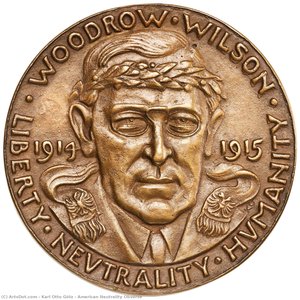
Artist Biography
A Life Forged in the Shadows of History
Born Hans-Georg Bruno Kern on January 23, 1938, in the small German village of Deutschbaselitz, the artist who would become known to the world as Georg Baselitz was a child of profound transition and upheaval. Growing up in the Upper Lusatia region amidst the literal and metaphorical rubble of World War II, his early consciousness was inextricably linked to themes of destruction, displacement, and the fractured order of a shattered society. This formative environment—marked by the loss of community and the lingering trauma of occupation—became the bedrock of his artistic vision. The devastation he witnessed did not merely provide subject matter; it instilled in him an urgent, lifelong need to question established conventions and to explore the very nature of perception through the lens of a world that had been turned upside down.
His early artistic inclinations were nurtured by a deep intellectual curiosity and significant cultural encounters. The influence of his father, an elementary school teacher, fostered a disciplined approach to observation, while the profound writings of Jakob Böhme provided a spiritual and philosophical complexity to his worldview. A pivotal moment in his development occurred when he encountered Louis-Ferdinand von Rayski’s Wermsdorfer Wald at a local school assembly. This masterpiece of realism ignited a fascination with capturing visual truth, leading him to produce portraits, religious subjects, and landscapes that, even in his youth, hinted at a more futuristic and unsettling vision.
The Revolution of Inversion and Neo-Expressionism
As the art world moved toward the sterile intellectualism of Minimalism and Conceptual Art in the 1960s, Baselitz staged a visceral rebellion. He became a leading voice of Neo-Expressionism, a movement that sought to reclaim the raw power and emotional intensity of figurative painting. However, his contribution was far from a simple return to tradition. In 1969, Baselitz introduced one of the most radical innovations in modern art: the technique of painting his subjects upside down. This deliberate inversion was not a mere gimmick; it was a profound attempt to strip the subject of its representational, content-driven character. By turning the figure on its head, he forced the viewer to confront the artifice of the painting itself—to look past the "what" of the image and focus instead on the texture, color, and the physical reality of the paint on canvas.
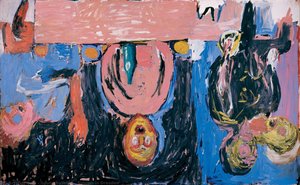
This period saw the emergence of works that challenged the very boundaries of the medium. His compositions often oscillated between recognizable figuration and a chaotic, feverish energy. In monumental pieces like Supper in Dresden, he reimagined historical narratives through a lens of disarray and chromatic collision, using striking shades of pink, blue, and black to create a sense of restless, uncontainable energy. His work during this era functioned as an excavation of the human condition, utilizing distortion to express vulnerability and the inherent instability of memory and identity.
A Lasting Legacy of Provocation
Throughout his prolific career, Baselitz’s artistic language has been a complex tapestry woven from myriad influences, ranging from the starkness of Socialist Realism and the dramatic tension of Mannerism to the primal rhythms of African sculpture. This eclectic synthesis allowed him to create a body of work that feels both deeply rooted in German history and universally resonant in its exploration of existential struggle. Whether through his commanding oil paintings, his evocative sculptures, or his intricate graphic works, Baselitz has remained steadfast in his commitment to a style characterized by unsettling honesty.
The historical significance of Georg Baselitz lies in his ability to transform the trauma of the past into a revolutionary aesthetic for the future. He did not merely document destruction; he used it as a tool to rebuild the language of painting. His achievements include:
- Redefining Figuration: Breaking the reliance on narrative content through the radical use of inversion.
- Mastery of Neo-Expressionism: Leading a global revival of emotional, visceral painting in an era of conceptual dominance.
- Exploration of Identity: Using distorted forms to grapple with the complexities of post-war German identity and the fragility of the human form.
- Technical Innovation: Integrating diverse cultural influences into a singular, unmistakable artistic voice that continues to influence generations of painters and sculptors.
Today, Baselitz stands as one of the most influential figures of the twentieth century, a painter whose work remains a powerful testament to the resilience of creativity in the face of chaos.

Georg Baselitz
1938 -
Quick Facts
- Artistic Movement Or Style: Neo-Expressionism
- Artists Or Movements Influenced By This Artist:
- Soviet era illustration art
- Mannerist period
- African sculptures
- Artists Who Influenced This Artist:
- Louis-Ferdinand von Rayski
- Jakob Böhme
- Date Of Birth: 1938
- Full Name: Georg Baselitz
- Nationality: German
- Notable Artworks:
- Der hirte
- Supper in Dresden
- Da. Portrait (Franz Dahlem)
- Place Of Birth: Deutschbaselitz, Germany

