 Preview
 Send
Send Share
Share
 Details

 Download
 Similars
 X-Ray
X-Ray Diaporama
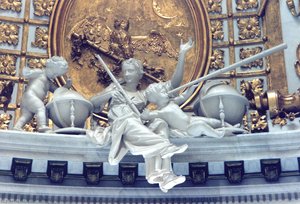
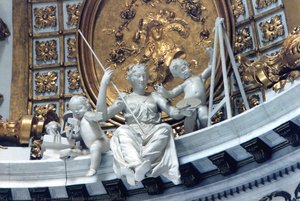
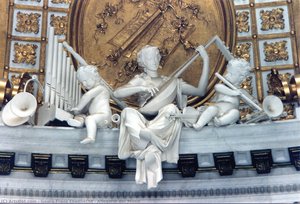
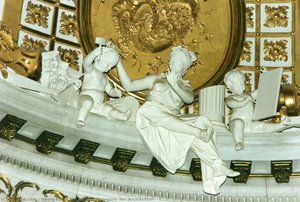
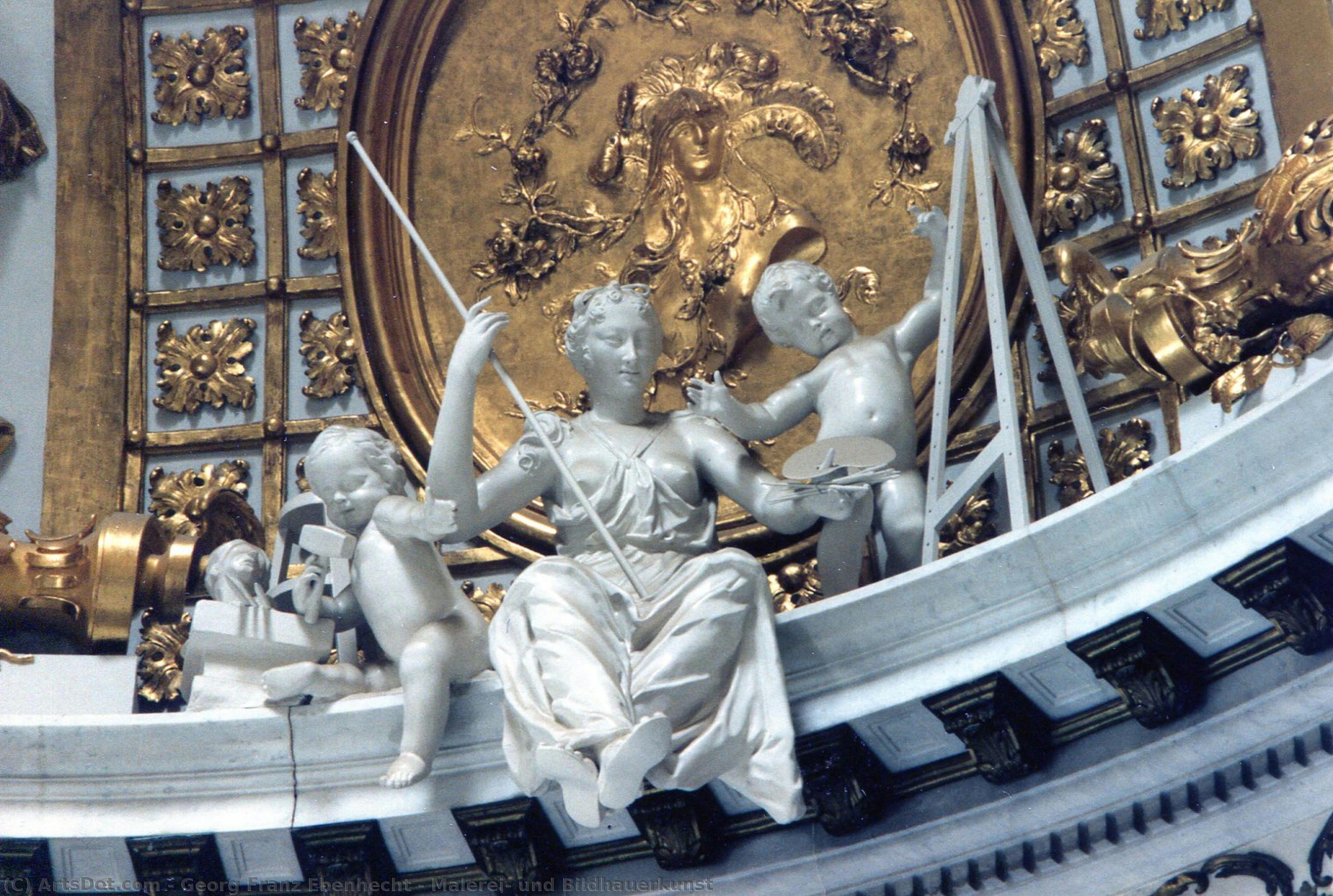
Malerei- und Bildhauerkunst


 Read More
Hand Made Oil Reproduction
Hand-painted oil on canvas in your size and frame, made to order by our artists. ( Buy Print Buy Image)




































Pick from our preset sizes that match the artwork's original proportions.

You may enter your own dimensions to fit a specific frame or space. If your selected size does not match the original image's proportions, we will either crop the artwork or extend the painting with additional hand-painted elements. A digital mockup will be sent for your approval before production begins.
Please note that the on-screen preview does not reflect the actual cropping or extension. Only the mockup will accurately show the final composition.
While custom sizes are available, we recommend selecting a dimension from the predefined list to preserve the original proportions.
After order, ArtsDot.com team will email client for instructions and provide a mockup preview
Worldwide Delivery () in 3/4 weeks instead of standard 5 weeks. (3 September). No compromise on quality.

Free Worldwide Express Shipping

High-Quality Linen Canvas

Full Shipping Insurance

Customs Tax Refund Guarantee

True Color Matching Guarantee

60-Day Return Policy (Defects Only)

100% Money-Back Guarantee

Bulk Discount Offer
 Glass option is only available in size under 110 CM

Malerei- und Bildhauerkunst
Reproduction Medium
Reproduction Size
-


Total Price
$ 263
Related Artworks







Artist Biography
The Shadowed Canvas: Exploring the Life and Art of Jean-Baptiste-Camille Corot
Jean-Baptiste-Camille Corot, born in Paris in 1796, wasn’t a revolutionary painter in the dramatic sense that many of his contemporaries were. He didn't storm the Salon with bold pronouncements or challenge established artistic conventions head-on. Instead, Corot quietly and persistently redefined landscape painting, establishing a style deeply rooted in observation, atmospheric effects, and a profound connection to the natural world. His legacy lies not in grand gestures but in the subtle beauty he coaxed from humble subjects – fields of wheat, misty forests, and the quiet dignity of rural life. His early life was marked by relative obscurity; his father was a tax collector, and Corot initially pursued a career as an architect before dedicating himself to art. This grounding in architectural principles—a careful consideration of form, light, and space—would profoundly influence his later work.Early Influences and the Barbizon School
Corot’s artistic journey began under the tutelage of Noël Boutet de Monvel, a painter known for his loose brushwork and atmospheric effects. This early exposure to Impressionistic techniques proved crucial. However, Corot's true formative period occurred during his time in Italy (1825-1837). He spent years absorbing the light and color of the Tuscan countryside, studying the works of masters like Leonardo da Vinci and Raphael, and developing a deep appreciation for the nuances of landscape. Crucially, he also encountered the work of the Barbizon School – a group of artists who rejected the academic traditions of the Salon and sought to paint directly from nature. Artists like Théodore Rousseau and Jean-François Millet were key figures in this movement, and Corot quickly embraced their philosophy of eschewing studio work and prioritizing direct observation. This commitment to *plein air* painting—working outdoors—became a defining characteristic of his style. The Barbizon School’s emphasis on capturing the fleeting effects of light and atmosphere profoundly shaped Corot's approach to landscape.A Style Defined by Atmosphere and Subtlety
Corot’s distinctive style is often described as “atmospheric.” He wasn’t interested in meticulously rendering every detail; instead, he focused on capturing the *feeling* of a place – its mood, its light, and its sense of distance. His brushstrokes were loose and broken, creating a hazy, almost dreamlike quality. He employed a technique known as *pointillé*, using small, closely spaced dots to build up color and texture, mimicking the way light scatters in the atmosphere. This method created an illusion of depth and luminosity that was remarkably effective. Corot’s palette was muted – dominated by browns, greens, grays, and blues – reflecting his fascination with the subtle shifts in tone and hue that occur throughout the day. His paintings rarely depict dramatic events or heroic figures; instead, they offer quiet contemplations on the beauty of the natural world.Key Works and Recurring Themes
Several works stand out as particularly representative of Corot’s style and artistic development. *The Oak at Fontainebleau* (1845-1846) exemplifies his atmospheric approach, dissolving the forms of the trees into a hazy veil of light and shadow. *Ploughed Field* (1847) demonstrates his ability to capture the subtle textures of rural landscapes – the rough earth, the swaying stalks of wheat, and the shifting patterns of light and shadow. Throughout his career, Corot repeatedly returned to themes of nature—forests, fields, rivers, and mountains—often depicting them in a state of transition or decay. He wasn’t simply recording scenes; he was exploring the ephemeral quality of existence, suggesting that beauty can be found even in the most humble and transient subjects. His later works, particularly those painted during his time in England (1853-1862), show an increasing interest in depicting the effects of weather—mist, fog, rain, and snow—further enhancing the atmospheric quality of his paintings.Legacy and Influence
Jean-Baptiste-Camille Corot’s impact on subsequent generations of landscape painters is undeniable. He paved the way for Impressionism by demonstrating the importance of direct observation, capturing fleeting effects of light, and prioritizing atmosphere over meticulous detail. Artists like Monet, Pissarro, and Sisley were deeply influenced by his work, adopting his *plein air* techniques and his focus on atmospheric effects. Beyond painting, Corot’s emphasis on observing nature and appreciating its beauty had a lasting influence on the development of environmental awareness. He is remembered not as a revolutionary, but as a master of quiet observation—a painter who revealed the profound beauty hidden within the everyday landscapes of France. His work continues to resonate with viewers today, offering a timeless reminder of the power of art to connect us to the natural world.
georg franz ebenhecht
1757 , Germany
Quick Facts
- Artistic Movement Or Style: World Goes Pop
- Artists Or Movements Influenced By This Artist: ['']
- Artists Who Influenced This Artist: ['']
- Date Of Death: 1757
- Notable Artworks:
- Evelyne Axell
- Joav BarEl
- Thomas Bayrle