 Preview
 Send
Send Share
Share
 Details

 Download
 Similars
 X-Ray
X-Ray Diaporama
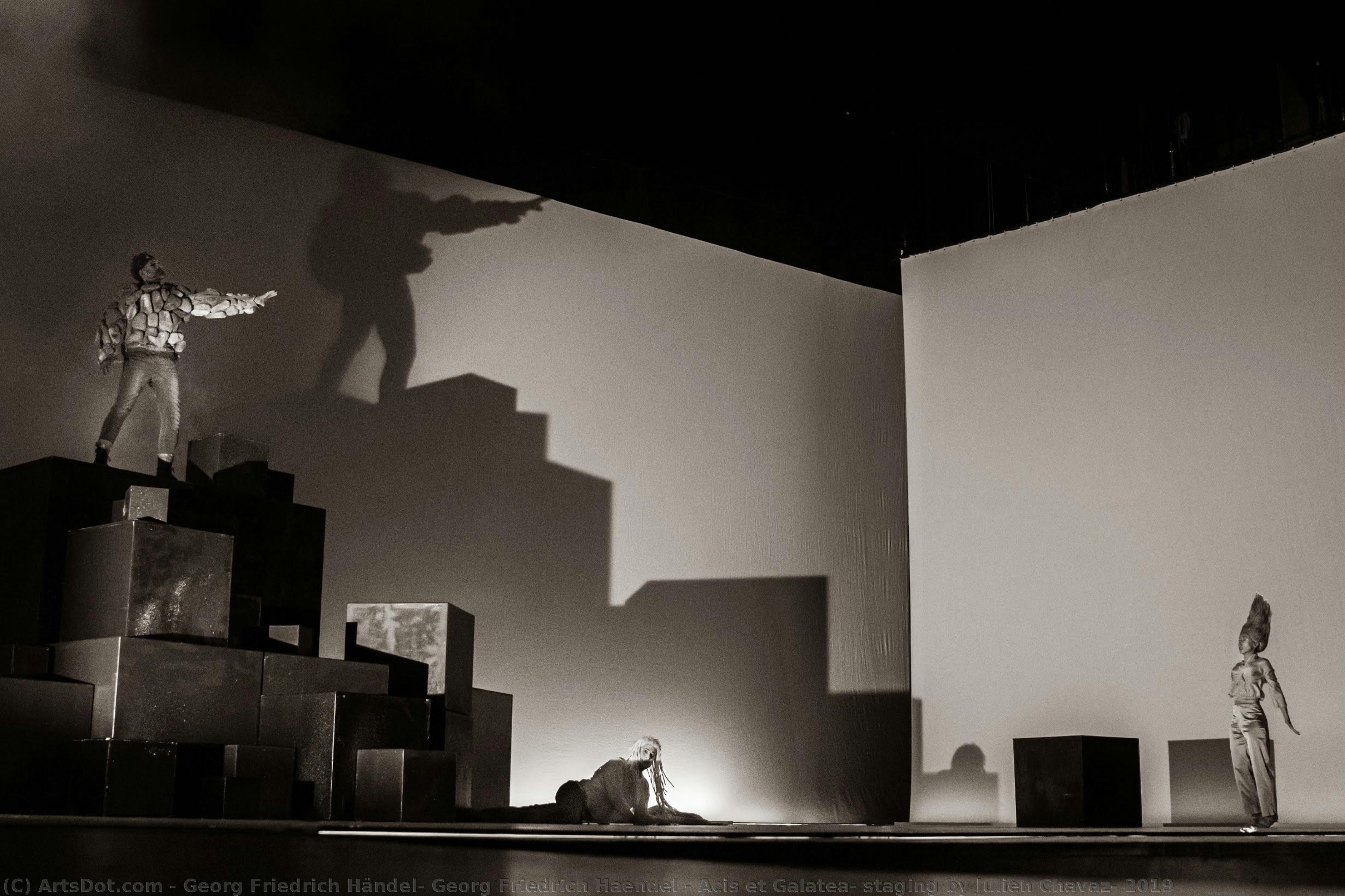
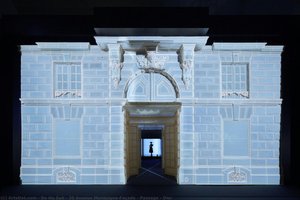
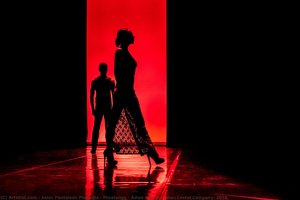
Acis et Galatea, staging by Julien Chavaz, 2019


 Read More
Giclée / Art Print
Museum-quality giclée or canvas print with fast production and flexible finish options. ( Buy Hand Made Painting Buy Image)




































Pick from our preset sizes that match the artwork's original proportions.

You may enter your own dimensions to fit a specific frame or space. If your selected size does not match the original image's proportions, we will either crop the artwork or extend the image with a mirrored or solid-fill edge. A digital mockup will be sent for your approval before production begins.
Please note that the on-screen preview does not reflect the actual cropping or extension. Only the mockup will accurately show the final composition.
While custom sizes are available, we recommend selecting a dimension from the predefined list to preserve the original proportions.
Worldwide Delivery () in 2 weeks instead of standard 4/5 weeks. (30 August)

Free Worldwide Express Shipping

High-Quality Linen Canvas

Full Shipping Insurance

Customs Tax Refund Guarantee

True Color Matching Guarantee

60-Day Return Policy (Defects Only)

100% Money-Back Guarantee

Bulk Discount Offer
 Glass option is only available in size under 110 CM

Acis et Galatea, staging by Julien Chavaz, 2019
Giclée / Art Print
Reproduction Size
-


Total Price
$ 63
Related Artworks






Artist Biography
A Life Bridging Worlds: The Baroque Majesty of George Frideric Handel
George Frideric Handel, born Georg Friederich Händel in 1685 in Halle, Germany, stands as a towering figure of the Baroque era—a composer whose music transcended national boundaries and continues to resonate with audiences centuries later. His life was one of remarkable travel, ambition, and artistic innovation, forging a unique style that blended German contrapuntal mastery with Italian operatic flair and ultimately captivated British society. Handel’s journey wasn't simply geographical; it was a constant negotiation between tradition and modernity, patronage and independence, culminating in a legacy that defines an era of musical brilliance. Though born into a family where his musical inclinations were initially met with pragmatic reservations—his father, a barber-surgeon, preferred a legal career for his son—the young Handel’s talent proved undeniable. Early lessons with Friedrich Zachow instilled a solid foundation in keyboard performance and composition, but it was the allure of the wider world that truly ignited his creative spirit. A brief foray into law studies at the University of Halle quickly gave way to a passion for opera, leading him first to Hamburg and then to Italy, where he immersed himself in the vibrant musical landscape of Florence, Rome, Naples, and Venice.Italian Flourishing and the Path to London
Italy proved transformative. Handel absorbed the operatic traditions of Alessandro Scarlatti and Arcangelo Corelli, honing his skills in vocal writing and orchestral arrangement. He composed prolifically for Italian courts and patrons, developing a distinctive style that showcased both dramatic intensity and melodic grace. This period wasn’t merely about technical refinement; it was about understanding the power of music to evoke emotion and tell stories. By 1710, Handel had accepted a position as Kapellmeister to the Elector of Hanover, but his heart lay elsewhere—in London. The English capital offered a burgeoning operatic scene and a receptive audience eager for new musical experiences. His opera *Rinaldo*, premiered in 1711, was an immediate success, establishing him as a leading figure in the London music world. Handel’s decision to remain in England marked a turning point in his career. He navigated the complexities of aristocratic patronage, founding the Royal Academy of Music in 1719—an ambitious attempt to establish Italian opera on a firm commercial footing. This venture, though ultimately fraught with financial challenges, allowed him to showcase his operatic vision and cultivate a loyal following among the English nobility.A Composer for the Nation: Oratorios and Beyond
The 1730s witnessed a significant shift in Handel’s creative focus. A physical breakdown in 1737 prompted a reevaluation of his artistic priorities, leading him to move away from Italian opera towards English-language choral works—oratorios. This wasn't simply a change of genre; it was a response to evolving tastes and a desire to connect with a broader audience. *Esther* (revived in 1732) paved the way for a series of masterpieces, including *Messiah* (1742), *Samson* (1743), and *Judas Maccabaeus* (1746). These oratorios weren’t merely religious works; they were dramatic narratives filled with powerful choruses, poignant arias, and stirring orchestral passages. Messiah, in particular, became an enduring symbol of Handel's genius—a testament to his ability to combine musical brilliance with profound emotional depth. Beyond the oratorios, Handel continued to compose instrumental works that showcased his mastery of orchestration and form. *Water Music* (1717) and *Music for the Royal Fireworks* (1749), commissioned for royal occasions, remain steadfastly popular—celebrated for their elegance, grandeur, and sheer musical joy.Legacy and Enduring Influence
Handel’s final years were marked by both professional success and personal challenges. Despite declining eyesight, he continued to compose prolifically, adapting to changing tastes and maintaining his position as a leading figure in the London music world. He died a respected and wealthy man in 1759, receiving a state funeral at Westminster Abbey—a fitting tribute to a composer who had become an integral part of British cultural life. The impact of Handel’s music extended far beyond his lifetime. His works were admired by Classical-era composers such as Haydn, Mozart, and Beethoven, who studied his scores and drew inspiration from his techniques. Winton Dean, a leading Handel scholar, aptly described him as “a dramatic genius of the first order.” Today, Handel’s music continues to be performed worldwide—a testament to its enduring power and universal appeal. His operas, oratorios, and instrumental works remain cornerstones of the Baroque repertoire, captivating audiences with their beauty, drama, and emotional depth. He was a true cosmopolitan composer, bridging cultural divides and leaving an indelible mark on the history of music.- Handel’s early musical education came from Friedrich Zachow.
- His travels to Italy were crucial in developing his operatic style.
- *Messiah* is arguably his most famous work, and a cornerstone of the oratorio genre.
- He founded the Royal Academy of Music to promote Italian opera in London.
- Handel became a naturalized British citizen in 1727.
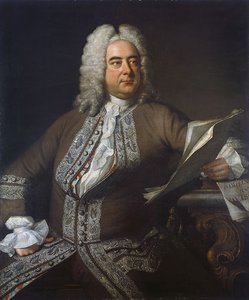
georg friedrich händel, georg friedrich haendel
1685 - 1759 , Germany
Quick Facts
- Artistic Movement Or Style: Baroque music
- Artists Or Movements Influenced By This Artist:
- Haydn
- Mozart
- Beethoven
- Artists Who Influenced This Artist:
- Arcangelo Corelli
- Alessandro Scarlatti
- Date Of Birth: February 23, 1685
- Date Of Death: April 14, 1759
- Full Name: George Frideric Handel
- Nationality: German-British
- Notable Artworks:
- Messiah
- Water Music
- Acis and Galatea
- Place Of Birth: Halle, Germany