 Preview
 Send
Send Share
Share
 Details

 Download
 Similars
 X-Ray
X-Ray Diaporama
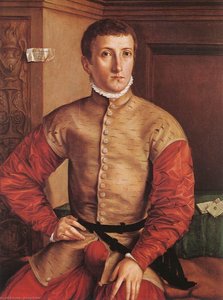
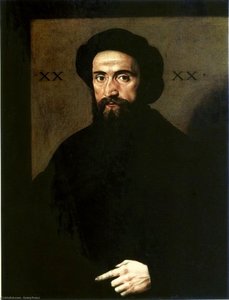
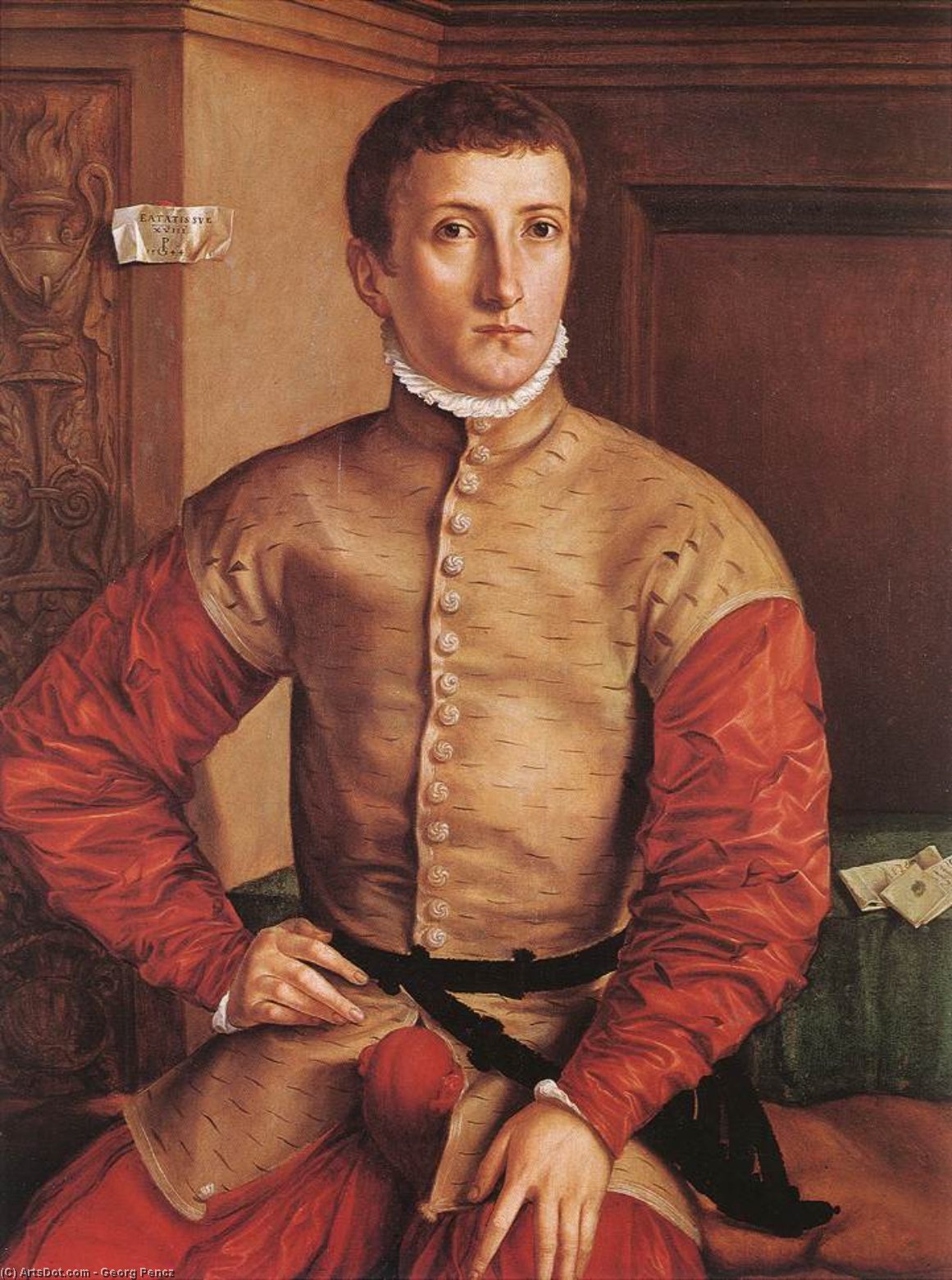
Portrait of a Seated Youth
 Oil On Canvas
- WallArt
- Baroque Style
 1544
1544- Renaissance
 91.0 x 70.0 cm
 Galleria degli Uffizi
 Read More
Giclée / Art Print
Museum-quality giclée or canvas print with fast production and flexible finish options. ( Buy Hand Made Painting Buy Image)




P118B $10

P118H $10

P118W $10

P438Z $10

P508JH $12

P508YH $12

P805H $10

P805Z $10

P919BZ $10

P919G $10

P919XJ $10

P959ZH $10

P968JZ $12

W106C $8

W218G $10

W218JH $8

W218Y $10

W307PJ $10

W316G $10

W316PJ $8

W316Y $10

W398PJ $8

W4111J $10

W500HY $15

W500JH $15

W692G $12

W849H $8

W940BG $15

W953PJ $8




Pick from our preset sizes that match the artwork's original proportions.

You may enter your own dimensions to fit a specific frame or space. If your selected size does not match the original image's proportions, we will either crop the artwork or extend the image with a mirrored or solid-fill edge. A digital mockup will be sent for your approval before production begins.
Please note that the on-screen preview does not reflect the actual cropping or extension. Only the mockup will accurately show the final composition.
While custom sizes are available, we recommend selecting a dimension from the predefined list to preserve the original proportions.
Worldwide Delivery () in 2 weeks instead of standard 4/5 weeks. (28 August)

Free Worldwide Express Shipping

High-Quality Linen Canvas

Full Shipping Insurance

Customs Tax Refund Guarantee

True Color Matching Guarantee

60-Day Return Policy (Defects Only)

100% Money-Back Guarantee

Bulk Discount Offer
 Glass option is only available in size under 110 CM

Portrait of a Seated Youth
Giclée / Art Print
Reproduction Size
-


Total Price
$ 63
A Window Into Renaissance Dignity: Georg Pencz’s Portrait of a Young Gentleman
Georg Pencz’s “Portrait of a Seated Youth,” painted in 1544, transcends mere depiction; it embodies the spirit of the burgeoning Renaissance – a period defined by humanist ideals and an ardent fascination with capturing human beauty and intellect. Executed during a time of significant artistic innovation, this painting stands as a testament to Pencz’s mastery of oil paint on canvas, reflecting the advancements in pigment production and brushwork that characterized the era.
The subject himself is presented with remarkable composure. Dressed in a scarlet jacket adorned with opulent gold trim – a bold choice for attire indicative of nobility – he sits before a hearth ablaze with warmth and light. Pencz skillfully utilizes chiaroscuro, employing dramatic contrasts between illumination and shadow to sculpt the figure’s form and imbue it with depth. The man’s gaze is direct, meeting the viewer's eye with an expression that speaks volumes about confidence and thoughtfulness.
Beyond its technical brilliance lies a profound symbolic resonance. The ruffled collar and tie – emblems of formality and status – underscore the importance of social hierarchy within Renaissance society. Furthermore, the fireplace itself serves as a powerful motif, representing both domestic comfort and intellectual contemplation. Fire has historically been associated with illumination, purification, and transformation—ideas that align perfectly with the humanist quest for knowledge and self-understanding.
The surrounding interior is rendered with meticulous detail, featuring a couch positioned behind the sitter and a chair nearby. A clock hangs prominently on the wall above the fireplace, reinforcing the notion of time passing and reminding us of the fleeting nature of earthly existence – a theme prevalent in Renaissance art. Pencz’s careful observation of light and texture contributes to an atmosphere of refined elegance.
“Portrait of a Seated Youth” is more than just a likeness; it's an invitation to contemplate the ideals of human dignity and intellectual curiosity that defined the Renaissance. Its enduring appeal lies in its ability to capture not only physical appearance but also inner character—a feat accomplished with unparalleled artistry and precision.
Related Artworks


Artist Biography
A Life Etched in Renaissance Germany: The World of Georg Pencz
Georg Pencz, born around 1500 in the Franconian town of Bad Windheim, stands as a compelling figure within the German Renaissance—a master engraver, painter, and printmaker whose career unfolded against a backdrop of religious upheaval and artistic innovation. While precise details of his early life remain elusive, we know he embarked on a journey to Nuremberg around 1523, a city then pulsating with creative energy under the influence of Albrecht Dürer. Joining Dürer’s workshop proved pivotal; it was here that Pencz honed his skills and absorbed the technical brilliance that would define his own artistic path. However, Pencz wasn't merely an imitator. He possessed a unique sensibility, one deeply attuned to the changing currents of thought and expression sweeping across Europe. His travels extended beyond Nuremberg, notably including visits to Italy where he encountered the vibrant art of Venice—an experience that profoundly shaped his aesthetic vision.The ‘Little Master’ and the Power of Printmaking
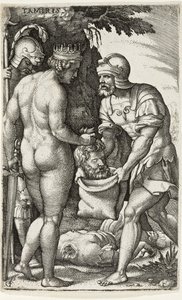
Pencz quickly established himself as a formidable talent in the burgeoning field of printmaking. In 1525, a dramatic turn of events saw him imprisoned alongside Barthel Beham and Hans Sebald Beham for their association with the radical religious reformer Thomas Müntzer. This shared experience forged a bond between the three artists, leading to their collective designation as the “Little Masters.” Despite their relatively small scale—their prints were often diminutive in size—these works exerted an enormous influence on subsequent generations of printmakers. Pencz’s engravings are characterized by their intricate detail, refined draftsmanship, and a keen observation of human character. He moved beyond traditional religious iconography, exploring secular themes and humanist subjects with a fresh perspective. His series *Six Triumphs of Petrarch* exemplifies this shift, showcasing scenes inspired by the Italian poet's sonnets—a testament to his engagement with classical literature and Renaissance ideals. The *Life of Christ*, comprising 26 plates, demonstrates his ability to narrate complex biblical stories with clarity and emotional depth.Beyond the Engraving: Painting and Trompe-l’œil Illusion
While celebrated primarily as an engraver, Pencz was also a skilled painter. He became particularly renowned for his *trompe-l'œil* ceiling paintings in Nuremberg—optical illusions designed to deceive the eye into perceiving three-dimensional space where none existed. One surviving drawing depicts a scene of workmen raising building materials on a hoist against an open sky, creating the impression that the room was still under construction. These works reveal Pencz’s mastery of perspective and his playful engagement with illusionism—a technique favored by Renaissance artists seeking to blur the boundaries between art and reality. His portraits, executed with meticulous detail and psychological insight, further demonstrate his versatility as a painter. Works like *Portrait of a Young Man*, *Portrait of Marshal Schirmer*, and *Portrait of Erhard Schwetzer and his wife* capture the individuality and social standing of their sitters with remarkable sensitivity.A Courtly Appointment and Lasting Legacy
In 1539, Pencz briefly returned to Italy, visiting Rome for the first time before returning to Nuremberg in 1540. This period marked a turning point in his career; he was appointed city painter and achieved significant success as a portraitist. His reputation continued to grow, culminating in his appointment as court painter by Albert, Duke of Prussia, in 1550. Sadly, Pencz died in Leipzig the same year, before he could take up his new position. Despite his relatively short life, Georg Pencz left an indelible mark on German art. He bridged the gap between the late Gothic tradition and the emerging styles of the High Renaissance, blending technical precision with humanist ideals and a keen understanding of human psychology. His prints continue to captivate viewers with their intricate detail and expressive power, while his paintings offer a glimpse into the lives and sensibilities of 16th-century Germany.Historical Significance and Rediscovery
The story of Georg Pencz is not without its shadows. In March 1939, during the Nazi regime, his painting *Young Couple in a Landscape* was seized from the Jewish collector Arthur Feldmann, who tragically perished in the Holocaust. The artwork resurfaced at Sotheby’s in 1946 and eventually found its way into the collection of Rosi Schilling, who generously donated it to the British Museum. In 2013, after years of research and advocacy, the museum settled a claim for Nazi spoliation from Feldmann's grandson, returning the painting to his rightful heirs—a poignant reminder of the enduring importance of restitution and the preservation of cultural heritage. Today, Georg Pencz is recognized as one of the most important German artists of the Renaissance, his works held in major museums and collections worldwide. His legacy continues to inspire artists and scholars alike, ensuring that his name will be etched forever in the annals of art history.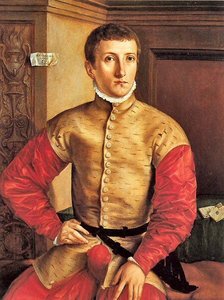
Georg Pencz
1500 - 1550 , Germany
Quick Facts
- Artistic Movement Or Style: High Renaissance
- Artists Or Movements Influenced By This Artist: ['Da Vinci family']
- Artists Who Influenced This Artist: ['Andrea del Verrocchio']
- Date Of Birth: April 15, 1452
- Date Of Death: May 2, 1519
- Full Name: Leonardo di ser Piero da Vinci
- Nationality: Italian
- Notable Artworks:
- Mona Lisa
- The Last Supper
- Vitruvian Man
- Place Of Birth: Vinci, Italy
Related Articles

Georges Braque's Masterpieces: 25 Paintings That Defined Cubism & Modern Art | ArtsDot
Explore 25 iconic Georges Braque paintings that revolutionized Cubism & modern art. Discover the stories behind his masterpieces, from Fauvism to Analytical Cubism. Find museum-quality reproductions & elevate your home decor with ArtsDot.com.

Georges Seurat's Masterpieces: 25 Paintings That Defined Pointillism | ArtsDot
Explore 25 iconic Georges Seurat paintings & discover the brilliance of Pointillism. From 'La Grande Jatte' to his harbor scenes, delve into art history with ArtsDot.com. Find museum-quality reproductions for your home decor. Explore the full collection online!

The Enduring Legacy of Oil on Canvas: Technique, History & Aesthetic Impact
Explore the rich history & techniques of oil painting – from Renaissance masters to Impressionism. Discover pigments, layering methods, and why this timeless medium endures. Expert insights for artists & art enthusiasts.

Oil on Canvas: A Historical & Technical Exploration of a Timeless Artistic Medium
Explore the rich history & enduring techniques of oil painting on canvas. Discover the science behind its longevity, conservation practices, and contemporary relevance. Expert insights for art enthusiasts.
Oil on Canvas Masters: 10 Paintings That Redefined Art History |
Journey through art history with our guide to 10 legendary oil on canvas masterpieces! Explore iconic works by Van Gogh, Monet & Rembrandt. Find museum-quality reproductions and elevate your home decor at . Discover all masterpieces online.