 Preview
 Send
Send Share
Share
 Details

 Download
 Similars
 X-Ray
X-Ray Diaporama
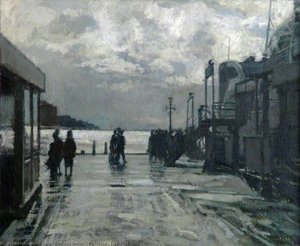
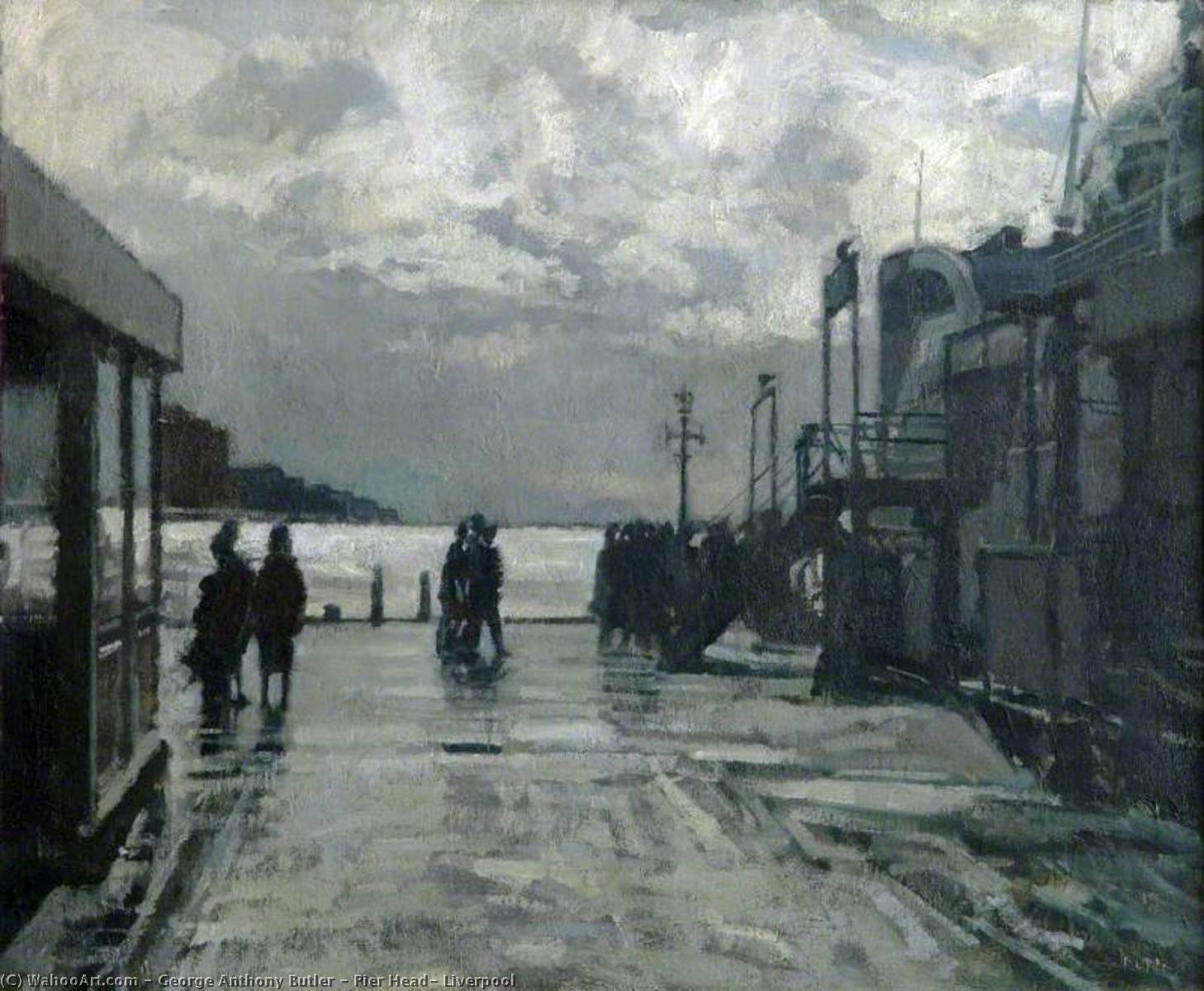
Pier Head, Liverpool
 64.0 x 76.0 cm
 Read More
Giclée / Art Print
Museum-quality giclée or canvas print with fast production and flexible finish options. ( Buy Hand Made Painting Buy Image)




































Pick from our preset sizes that match the artwork's original proportions.

You may enter your own dimensions to fit a specific frame or space. If your selected size does not match the original image's proportions, we will either crop the artwork or extend the image with a mirrored or solid-fill edge. A digital mockup will be sent for your approval before production begins.
Please note that the on-screen preview does not reflect the actual cropping or extension. Only the mockup will accurately show the final composition.
While custom sizes are available, we recommend selecting a dimension from the predefined list to preserve the original proportions.
Worldwide Delivery () in 2 weeks instead of standard 4/5 weeks. (6 September)

Free Worldwide Express Shipping

High-Quality Linen Canvas

Full Shipping Insurance

Customs Tax Refund Guarantee

True Color Matching Guarantee

100-Day Return Policy (Defects Only)

100% Money-Back Guarantee

Bulk Discount Offer
 Glass option is only available in size under 110 CM

Pier Head, Liverpool
Giclée / Art Print
Reproduction Size
-


Total Price
$ 63
Related Artworks










Artist Biography
Early Life and Artistic Foundations
George Anthony Butler, a name increasingly synonymous with evocative depictions of British coastal life and urban landscapes, has carved a unique path in the world of contemporary art. While biographical details remain somewhat sparse – a testament to his focus on the work itself rather than self-promotion – it’s clear that Butler's artistic journey began rooted in a deep connection to the North West of England. Born in Liverpool, he received his foundational training at Liverpool School of Art between 1944 and 1945, a period immediately following wartime disruption. This initial education was then interrupted by service in the Royal Air Force before returning to complete his studies. This early exposure to both formal artistic instruction and the realities of post-war life likely shaped his later sensitivity to place, memory, and the human condition. He further honed his skills as a respected teacher, holding positions at St Helens Art School and eventually leading the art department at Birkenhead School until his retirement in the late 1980s. This dedication to education underscores a commitment to fostering artistic talent alongside his own practice.A Realist Vision: Technique and Subject Matter
Butler’s work is characterized by a refined realism, eschewing overt stylistic flourishes for meticulous detail and atmospheric nuance. He primarily works in genre scenes, focusing on the everyday lives of people within specific environments. His paintings are not grand historical narratives but intimate portraits of docksides, fishermen, and urban settings – locations imbued with a sense of history and quiet dignity. The influence of earlier Northern Realists is palpable, particularly in his dedication to capturing light and texture. He wasn’t a prolific painter, choosing instead to concentrate on quality over quantity, resulting in a body of work that feels carefully considered and deeply personal. His technique often involves building layers of paint to achieve a luminosity and depth that draws the viewer into the scene. The Walker Art Gallery, Williamson Art Gallery, Liverpool University, and Manchester City Art Gallery all hold examples of his paintings, signifying their importance within regional collections.Themes of Place and Community
A recurring theme in Butler’s oeuvre is the relationship between people and place. His depictions of docksides aren't merely topographical representations; they are explorations of community, labor, and the passage of time. The fishermen he portrays are not romanticized figures but individuals engaged in a demanding profession, their faces etched with experience and resilience. Similarly, his urban landscapes capture the character of specific locations – the grit, the beauty, and the stories embedded within the architecture and streets. His paintings offer a poignant reflection on the changing social fabric of Britain, particularly the decline of traditional industries and the impact on working-class communities. He possesses an ability to imbue ordinary scenes with a sense of melancholy and nostalgia, prompting viewers to contemplate the lives lived within these spaces.Recognition and Legacy
While not widely known outside of regional art circles during his lifetime, Butler’s work has gained increasing recognition in recent years. His election as an associate member of the Royal Cambrian Academy (RCA) in 1954, followed by full membership in 1957, demonstrates early acknowledgement from a respected artistic institution. Exhibitions at prominent galleries such as Crane Gallery in Manchester and Agnew’s further solidified his reputation. The inclusion of his paintings in significant public collections is a testament to their enduring quality and historical importance. His legacy lies in his ability to capture the essence of British life with sensitivity, skill, and a deep understanding of human experience. He represents a continuation of the Northern Realist tradition, offering a valuable counterpoint to more abstract or conceptual approaches to painting.Contemporary Relevance
In an era often dominated by digital imagery and fleeting trends, Butler’s work offers a refreshing return to slow observation and meticulous craftsmanship. His paintings remind us of the importance of looking closely at the world around us, appreciating the beauty in everyday scenes, and acknowledging the stories embedded within specific places. The growing interest in his work suggests a renewed appreciation for artists who prioritize skill, authenticity, and emotional depth. While biographical information remains limited, the power and resonance of his paintings speak volumes, ensuring that George Anthony Butler’s contribution to British art will continue to be celebrated for generations to come.
Quick Facts
- Artistic Movement Or Style: Reportage illustration
- Full Name: George Anthony Butler
- Nationality: British
- Notable Artworks:
- Red Tiles
- Fishermen, North East Coast
- Bidston Dock, Wirral