 Preview
 Send
Send Share
Share
 Details

 Download
 Similars
 X-Ray
X-Ray Diaporama
Glastonbury Abbey
 1810
1810 124.0 x 146.0 cm
 Read More
Hand Made Oil Reproduction
Hand-painted oil on canvas in your size and frame, made to order by our artists. ( Buy Print Buy Image)




































Pick from our preset sizes that match the artwork's original proportions.

You may enter your own dimensions to fit a specific frame or space. If your selected size does not match the original image's proportions, we will either crop the artwork or extend the painting with additional hand-painted elements. A digital mockup will be sent for your approval before production begins.
Please note that the on-screen preview does not reflect the actual cropping or extension. Only the mockup will accurately show the final composition.
While custom sizes are available, we recommend selecting a dimension from the predefined list to preserve the original proportions.
After order, ArtsDot.com team will email client for instructions and provide a mockup preview
Worldwide Delivery () in 3/4 weeks instead of standard 5 weeks. (17 August). No compromise on quality.

Free Worldwide Express Shipping

High-Quality Linen Canvas

Full Shipping Insurance

Customs Tax Refund Guarantee

True Color Matching Guarantee

60-Day Return Policy (Defects Only)

100% Money-Back Guarantee

Bulk Discount Offer
 Glass option is only available in size under 110 CM

Glastonbury Abbey
Reproduction Medium
Reproduction Size
-


Total Price
$ 263
Artwork Description
Artistic Significance
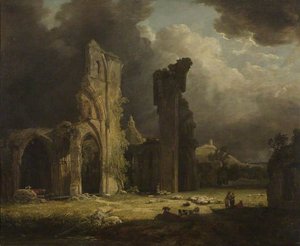
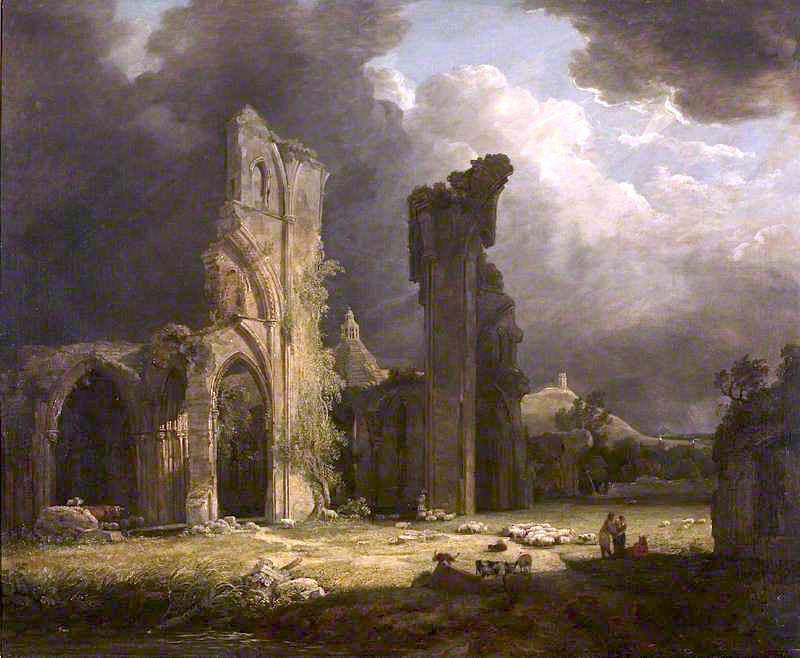
The scene captures the beauty of the old stone buildings as they stand in the midst of decay and disrepair. The sky above the abbey appears to be cloudy, adding an ominous atmosphere to the image. In the foreground, several people are walking around the ruins, likely admiring the historical site or exploring its remains. This adds a sense of life and interest to the otherwise solemn atmosphere of the abandoned abbey. Key Features of the painting include:- The use of oil on copper, which gives the piece a unique texture and depth.
- The attention to detail in the depiction of the abbey's architecture and the surrounding landscape.
- The sense of atmosphere and mood created by the cloudy sky and the presence of people in the scene.
Artist Background
George Arnald was a prolific artist known for his landscapes and historical scenes. His work can be found in various museums, including the Museum of Somerset, which features an impressive collection of artworks that reflect the rich cultural heritage of the region. For more information on the museum's collection, visit Discovering the Artworks of Museum of Somerset, United Kingdom. To learn more about George Arnald and his work, including Glastonbury Abbey, visit Painting by 'George Arnald' | George Arnald:Glastonbury Abbey on ArtsDot.com.For those interested in purchasing a handmade oil painting reproduction of Glastonbury Abbey, ArtsDot.com offers high-quality reproductions that capture the essence and beauty of the original piece.
Related Artworks
Artist Biography
George Arnald: A Pioneer of Romantic Landscape Painting
George Arnald (1763 – 1841) stands as a significant figure in British landscape painting during the Romantic era, celebrated primarily for his dramatic depiction of the Battle of the Nile and his contribution to topographical illustrations. Though overshadowed by contemporaries like Turner and Constable, Arnald’s meticulous observation and expressive handling of color cemented his place within the artistic canon of his time. Born in Northamptonshire (now Bedfordshire), details surrounding his early life remain scarce—a testament to the limitations of biographical records during the period. Evidence suggests he began his artistic journey as a domestic servant, absorbing artistic principles through informal study before dedicating himself to formal training under William Pether, a respected landscape painter and engraver who championed the importance of poetic sensibility in art. This formative influence would prove crucial to Arnald’s subsequent stylistic choices. Arnald swiftly established himself within the Royal Academy, exhibiting 176 works between 1788 and his death. His membership was notable for its absence of full acclaim; despite being elected an associate member in 1810, he never achieved the honor of becoming a fellow artist—a fact that Wordsworth eloquently captured, lamenting Arnald’s lack of literary grounding as hindering his artistic potential. This sentiment underscores the Romantic ideal that art should transcend mere visual representation and engage with deeper emotional and intellectual currents. His prolific output encompassed a diverse range of subjects, but he gained enduring fame for “The Destruction of Luxor,” commemorating the pivotal naval engagement against Napoleon’s forces in Egypt. Commissioned as part of a £500 competition at Greenwich Hospital, this monumental canvas—featuring Thomas Davidson's depiction alongside Nelson—became an emblem of British heroism and artistic ambition. Its masterful use of atmospheric perspective and vibrant color palettes exemplifies Arnald’s commitment to capturing the grandeur and drama of natural landscapes infused with narrative significance. Beyond “The Destruction of Luxor,” Arnald produced numerous topographical views documenting regions across Britain, contributing substantially to county histories and furthering the burgeoning interest in scientific observation within artistic circles. His meticulous attention to detail—evident in his preparatory sketches and finished paintings—demonstrates a dedication to accurately portraying the contours of the land and conveying its character. Arnald’s legacy extends beyond individual artworks; he helped establish the British Institution, alongside Beaumont, fostering an environment for artistic experimentation and promoting public engagement with art. His influence can be discerned in subsequent generations of landscape painters who embraced his stylistic innovations and championed the Romantic spirit. George Arnald remains a testament to the transformative power of observation combined with artistic vision—a painter whose contribution to British art history continues to resonate today.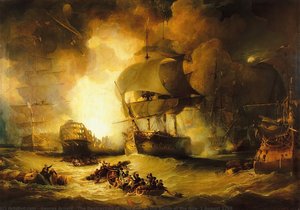
george arnald
1763 - 1841
Quick Facts
- Artistic Movement Or Style: Romantic Landscape
- Artists Or Movements Influenced By This Artist: ['Thomas Davidson']
- Artists Who Influenced This Artist: ['William Pether']
- Date Of Birth: 1763
- Date Of Death: 1841
- Full Name: George Arnald
- Nationality: British
- Notable Artworks: ['Battle of the Nile']
- Place Of Birth: Northamptonshire (Bedfordshire)