 Preview
 Send
Send Share
Share
 Details

 Download
 Similars
 X-Ray
X-Ray Diaporama
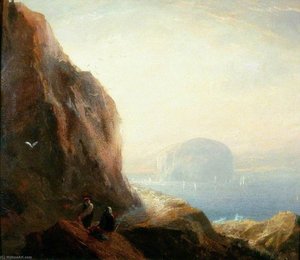
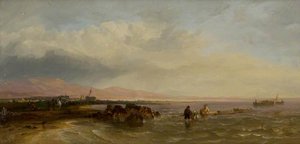
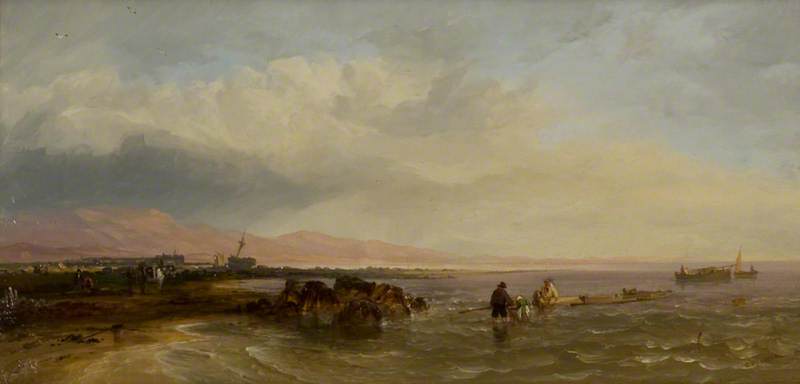
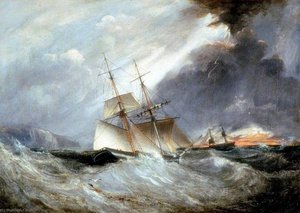
On the Coast of Fife
 20.0 x 46.0 cm
 The National Trust For Scotland
 Read More
Hand Made Oil Reproduction
Hand-painted oil on canvas in your size and frame, made to order by our artists. ( Buy Print Buy Image)




































Pick from our preset sizes that match the artwork's original proportions.

You may enter your own dimensions to fit a specific frame or space. If your selected size does not match the original image's proportions, we will either crop the artwork or extend the painting with additional hand-painted elements. A digital mockup will be sent for your approval before production begins.
Please note that the on-screen preview does not reflect the actual cropping or extension. Only the mockup will accurately show the final composition.
While custom sizes are available, we recommend selecting a dimension from the predefined list to preserve the original proportions.
After order, ArtsDot.com team will email client for instructions and provide a mockup preview
Worldwide Delivery () in 3/4 weeks instead of standard 5 weeks. (27 August). No compromise on quality.

Free Worldwide Express Shipping

High-Quality Linen Canvas

Full Shipping Insurance

Customs Tax Refund Guarantee

True Color Matching Guarantee

60-Day Return Policy (Defects Only)

100% Money-Back Guarantee

Bulk Discount Offer
 Glass option is only available in size under 110 CM

On the Coast of Fife
Reproduction Medium
Reproduction Size
-


Total Price
$ 388
Related Artworks









Artist Biography
The Romantic Vision of George Balmer
In the golden age of British Romanticism, few artists captured the atmospheric soul of the landscape with as much evocative grace as George Stephen Balmer. Born in the industrious North Shields, Northumberland, around 1806, Balmer’s journey from the son of a house painter to a celebrated marine and landscape painter is a testament to the transformative power of artistic passion. His early years were deeply rooted in the traditions of his father's craft, yet it was through the profound mentorship of John Wilson Ewbank that Balmer discovered a much loftier calling. Under Ewbank’s guidance, Balmer began to move beyond mere technical precision, learning instead to harness the expressive potential of light, shadow, and the mercurial weather conditions that define the British coast.
Balmer's artistic evolution was marked by a restless curiosity and a desire to master the very essence of nature. His early successes in Newcastle, including the commanding A View of the Port of Tyne, laid the groundwork for a career defined by grand scale and emotional depth. This ambition eventually led him far beyond the shores of England. During the transformative years of 1832 and 1833, Balmer embarked on an epic continental tour, traversing through Holland to the majestic Rhine River and into the heart of Switzerland. This period of travel was not merely a sightseeing expedition but a rigorous academic pilgrimage; in Paris, he spent months within the hallowed halls of the Louvre, meticulously copying the works of Old Masters to refine his brushwork and absorb the stylistic innovations that would later infuse his paintings with a sophisticated, continental elegance.
Mastery of Light and Maritime Grandeur
The true brilliance of Balmer’s oeuvre lies in his ability to marry the heroic with the atmospheric. He possessed a rare talent for depicting the maritime world—not just as a collection of vessels and waves, but as a stage for drama and human endeavor. One of his most significant collaborative achievements was the monumental depiction of Admiral Collingwood's triumph at Trafalgar, created alongside John Wilson Carmichael. This work showcased his capacity to convey historical grandeur and the sheer scale of naval heroism, cementing his reputation among the leading illustrators and painters of his era.
As his career progressed, Balmer’s focus shifted toward the delicate interplay of moonlight and sea, creating works that felt almost ethereal. His paintings of the Rhine and various coastal scenes are celebrated for their loose brushstrokes and a vibrant, emotive color palette that captured the fleeting moments of twilight and storm. Whether rendering the rugged cliffs of Northumberland or the tranquil waters of Haarlem Mere, his technique allowed the viewer to feel the dampness of the mist and the salt in the breeze. Even as he moved to London in 1836 to work on prestigious projects like The Ports and Harbours of England for William Finden, his work remained anchored in that profound, Romantic connection to the natural world.
Though Balmer eventually retired from the London art scene in 1842, leaving the canvas behind before his untimely death in 1846, his legacy remains etched in the history of British landscape painting. He stands as a pivotal figure who bridged the gap between traditional topographical recording and the deeply felt, emotional landscapes of the Romantic movement. His ability to translate the vastness of the sea and the quiet majesty of river valleys into intimate, captivating visual narratives continues to resonate with art lovers, offering a window into a century defined by awe and wonder.
george balmer
1806 - 1846
Quick Facts
- Artistic Movement Or Style: Romanticism
- Artists Or Movements Influenced By This Artist: ['Romanticism']
- Artists Who Influenced This Artist: ['John Wilson Ewbank']
- Date Of Birth: 1806
- Date Of Death: 1846
- Full Name: George Stephen Balmer
- Nationality: English
- Notable Artworks:
- A View of the Port of Tyne
- The Juicy Tree Bit
- Heroic Exploit of Admiral Collingwood at Trafalgar
- View of Bingen
- Harlem Mere
- Place Of Birth: North Shields, Northumberland