 Preview
 Send
Send Share
Share
 Details

 Download
 Similars
 X-Ray
X-Ray Diaporama
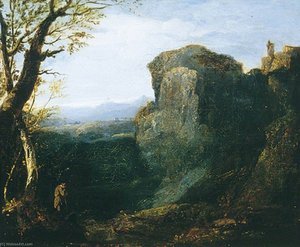
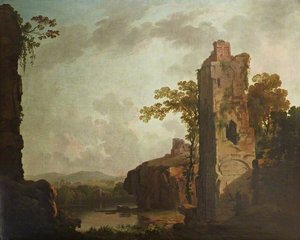
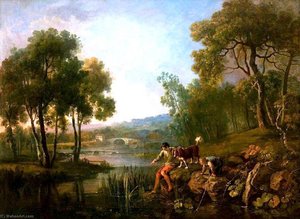
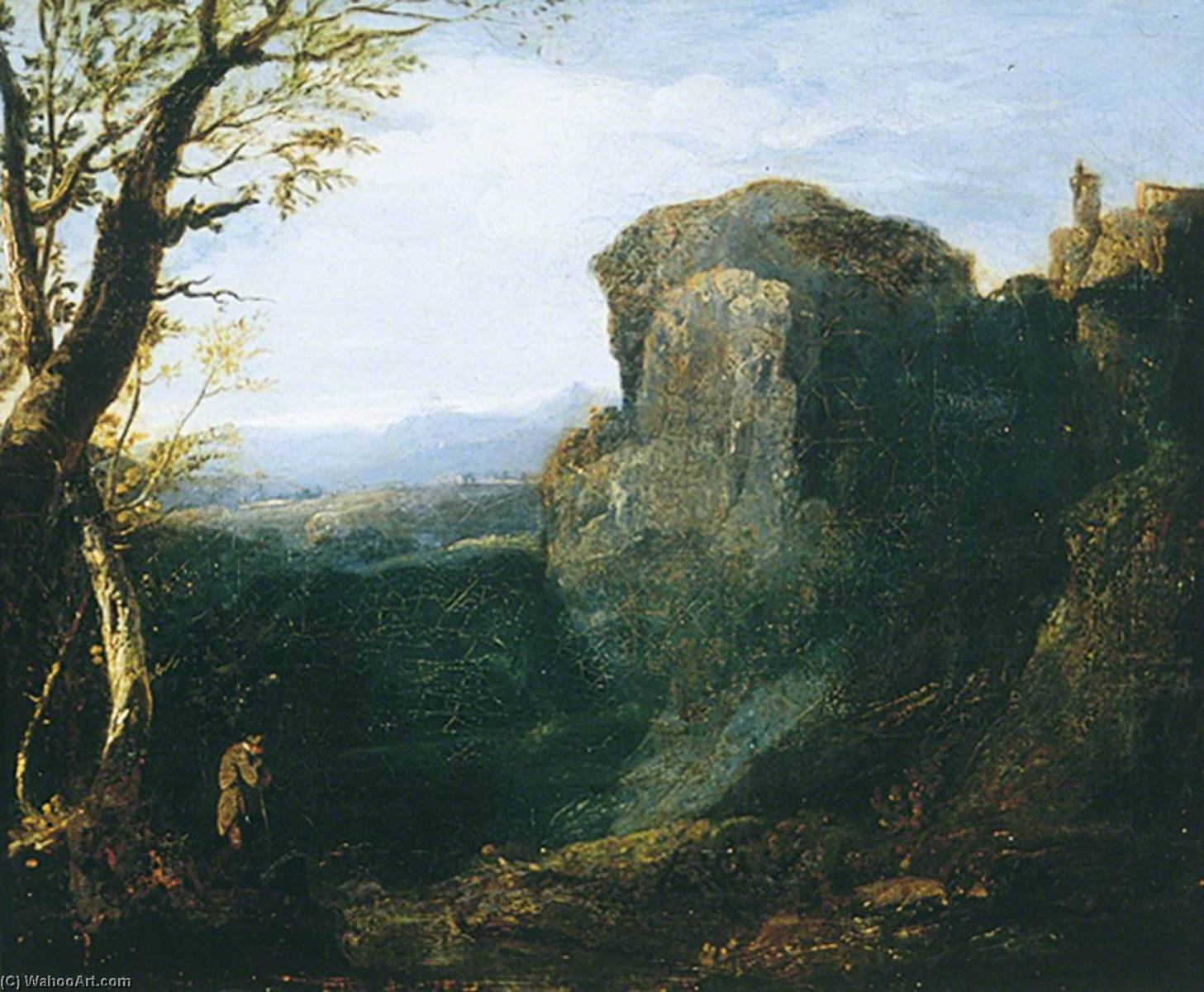
The Falls of Tivoli
 Oil On Canvas
- WallArt
- Romanticism
 65.0 x 76.0 cm
 Temple Newsam House
 Read More
Hand Made Oil Reproduction
Hand-painted oil on canvas in your size and frame, made to order by our artists. ( Buy Print Buy Image)




P118B $10

P118H $10

P118W $10

P438Z $10

P508JH $12

P508YH $12

P805H $10

P805Z $10

P919BZ $10

P919G $10

P919XJ $10

P959ZH $10

P968JZ $12

W106C $8

W218G $10

W218JH $8

W218Y $10

W307PJ $10

W316G $10

W316PJ $8

W316Y $10

W398PJ $8

W4111J $10

W500HY $15

W500JH $15

W692G $12

W849H $8

W940BG $15

W953PJ $8




Pick from our preset sizes that match the artwork's original proportions.

You may enter your own dimensions to fit a specific frame or space. If your selected size does not match the original image's proportions, we will either crop the artwork or extend the painting with additional hand-painted elements. A digital mockup will be sent for your approval before production begins.
Please note that the on-screen preview does not reflect the actual cropping or extension. Only the mockup will accurately show the final composition.
While custom sizes are available, we recommend selecting a dimension from the predefined list to preserve the original proportions.
After order, ArtsDot.com team will email client for instructions and provide a mockup preview
Worldwide Delivery () in 3/4 weeks instead of standard 5 weeks. (17 August). No compromise on quality.

Free Worldwide Express Shipping

High-Quality Linen Canvas

Full Shipping Insurance

Customs Tax Refund Guarantee

True Color Matching Guarantee

60-Day Return Policy (Defects Only)

100% Money-Back Guarantee

Bulk Discount Offer
 Glass option is only available in size under 110 CM

The Falls of Tivoli
Reproduction Medium
Reproduction Size
-


Total Price
$ 263
Artwork Description
A Symphony of Stone and Mist: George Barret’s “The Falls of Tivoli”
George Barret the Elder's "The Falls of Tivoli" isn’t merely a landscape painting; it’s an immersion into a realm where the grandeur of nature intertwines with a profound sense of melancholy and contemplative beauty. Completed around 1770, this oil on canvas captures a dramatic vista overlooking the Aniene River cascading through the Sabine Hills near Tivoli, Italy – a location steeped in Roman history and imbued with a timeless allure. Barret’s masterful command of atmospheric perspective and his keen eye for detail transport the viewer to a place both familiar and profoundly distant, evoking a powerful emotional response rooted in the Romantic sensibility.
The painting immediately establishes a strong sense of scale through its composition. A towering rock formation dominates the right side of the canvas, acting as an anchor and drawing the gaze into the hazy depths of the valley below. This imposing structure is juxtaposed with a winding path that snakes its way towards the unseen horizon, inviting the viewer to imagine themselves traversing this rugged terrain. Foreground elements – a gnarled tree and a solitary figure, likely a shepherd or traveler – provide a crucial human scale, emphasizing the immensity of the landscape and hinting at the vulnerability of humankind in the face of nature’s overwhelming power. The use of muted browns, greens, and blues creates a cool, almost somber palette, contributing to the painting's overall mood of quiet contemplation.
The Romantic Echoes: Influences and Artistic Context
Barret’s work is deeply rooted in the burgeoning Romantic movement, an artistic and intellectual reaction against the Enlightenment’s emphasis on reason. Edmund Burke’s philosophical treatise, *A Philosophical Enquiry into the Origin of Our Ideas of the Sublime and Beautiful*, profoundly influenced Barret's approach to landscape painting. Burke argued that sublime experiences – those evoking awe, terror, and a sense of insignificance – were essential for human understanding. Barret translates this philosophy visually by depicting a scene of overwhelming natural grandeur, suggesting a humbling encounter with the forces beyond human control. The hazy atmosphere, the dramatic lighting, and the solitary figure all contribute to this feeling of sublime wonder.
Furthermore, Barret’s artistic lineage is traceable back to classical landscape painters like Claude Lorrain, whom he skillfully reworked into his own style. He adopted the techniques of creating illusionistic depth through atmospheric perspective – softening distant forms and diminishing their detail – a hallmark of both classical and Romantic painting. The careful rendering of textures, particularly on the rocks, reveals Barret’s meticulous attention to detail and his ability to capture the tactile qualities of the natural world.
A Symbol of Human Vulnerability
Beyond its technical brilliance, “The Falls of Tivoli” is rich in symbolic meaning. The solitary figure in the foreground represents humanity's inherent vulnerability when confronted with the vastness and power of nature. It’s a poignant reminder of our smallness within the grand scheme of things – a theme central to Romantic art. The waterfall itself, a symbol of constant motion and renewal, suggests the cyclical nature of life and the enduring beauty of the natural world. The distant ruins, barely discernible through the haze, hint at the passage of time and the impermanence of human endeavors.
Technical Details & Historical Significance
Executed in oil on canvas, “The Falls of Tivoli” showcases Barret’s mastery of layering and brushwork. Noticeable impasto – thick application of paint – is particularly evident in the rock formations, lending them a sense of solidity and age. The painting's dimensions are 65 x 76 cm, making it a relatively intimate work despite its expansive subject matter. It was originally part of the collection of Temple Newsam House in Leeds, England, and now resides at the National Gallery of Ireland. George Barret Sr.’s legacy extends beyond this single masterpiece; he played a pivotal role in establishing the Royal Academy, furthering the development of landscape painting in Britain, and leaving behind a body of work that continues to resonate with viewers today.
Related Artworks
Artist Biography
George Barret Sr.: Life & Legacy
Early Life and Training
- Born: Between 1728 and 1732 in Libertyville, Ireland, the son of a cloth merchant.
- Initially apprenticed as a staymaker before discovering his artistic talent.
- Began formal drawing training at Robert West’s Academy in Dublin around 1747, sponsored by the Royal Dublin Society.
- Subsequently taught drawing at the same academy, demonstrating early promise and skill.
- A formative friendship with Edmund Burke, formed during Burke's time at Trinity College, Dublin, would prove crucial later in life.
Early Artistic Development & Influences
- Barret’s early paintings often featured classical scenery and mythological figures.
- Influenced by: The philosophical writings of Edmund Burke, particularly *A Philosophical Enquiry into the Origin of Our Ideas of the Sublime and Beautiful*, which informed his artistic approach to landscape.
- He initially worked by reworking engravings of classical Italianate scenes by artists like Claude Lorrain, demonstrating a strong foundation in established styles.
- Despite depicting Italian landscapes, there’s no evidence he ever travelled to Italy himself.
Move to London and Rise to Prominence
- In 1762, Barret moved to London seeking greater artistic opportunities.
- Quickly gained recognition as a leading landscape artist of the period.
- Exhibited at the Society of Artists of Great Britain and attracted patronage from prominent art collectors.
- Key Achievement: In 1768, Barret was among the founding members who left the Society of Artists to establish the Royal Academy – a pivotal moment in British art history.
Artistic Style and Themes
- Barret’s style evolved from idealized Italianate landscapes to more naturalistic depictions of English and Irish scenery.
- He travelled extensively throughout England, Wales, Scotland, and Ireland, undertaking commissions and capturing the beauty of diverse landscapes.
- Common themes included idyllic views, picturesque countryside, waterfalls (like his famous *The Powerscourt Waterfall*), and topographical representations of estates and properties.
- His paintings often featured figures within the landscape, adding a sense of scale and narrative.
Later Life & Patronage
- Suffered from asthma, leading him to relocate to Westbourne Green in 1772 for health reasons.
- Despite earning substantial income, he was described as “feckless” with money and occasionally faced financial difficulties.
- Continued Support: Edmund Burke remained a loyal friend and assisted Barret financially and professionally.
- In 1782, Burke recommended Barret for the position of Master Painter of Chelsea Hospital, which he held until his death in 1784.
Legacy & Historical Significance
- Although his widow and children were left destitute upon his death, the Royal Academy provided a small pension.
- Barret’s work represents a significant transition in British landscape painting, moving from classical imitation to a more distinctly national style.
- His paintings provide valuable insights into 18th-century landscapes and aristocratic life.
- Many of his works are now held in prominent collections, including the National Gallery of Ireland and Yale Center for British Art.
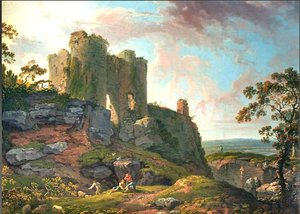
George Barret the Elder
1732 - 1784 , Ireland
Quick Facts
- Birth Date: 1732
- Birth Place: Libertyville, Ireland
- Death Date: 1784
- Influenced By: Edmund Burke, Claude Lorrain
- Movement: Romanticism
- Name: George Barret Sr.
- Nationality: Irish
- Notable Works:
- The Powerscourt Waterfall
- A Prospect of Southwick Park
- Llyn Nantlle
- North Side of Danson
Related Articles

Georges Braque's Masterpieces: 25 Paintings That Defined Cubism & Modern Art | ArtsDot
Explore 25 iconic Georges Braque paintings that revolutionized Cubism & modern art. Discover the stories behind his masterpieces, from Fauvism to Analytical Cubism. Find museum-quality reproductions & elevate your home decor with ArtsDot.com.

Georges Seurat's Masterpieces: 25 Paintings That Defined Pointillism | ArtsDot
Explore 25 iconic Georges Seurat paintings & discover the brilliance of Pointillism. From 'La Grande Jatte' to his harbor scenes, delve into art history with ArtsDot.com. Find museum-quality reproductions for your home decor. Explore the full collection online!

Romantic Landscapes: 10 Masterpieces for Your Home | ArtsDot
Journey through 10 Romantic landscape masterpieces by Friedrich, Turner & Cole. Explore emotional art, sublime nature scenes & iconic 19th-century paintings. Find museum-quality reproductions for your home at ArtsDot.com – discover the full collection online!
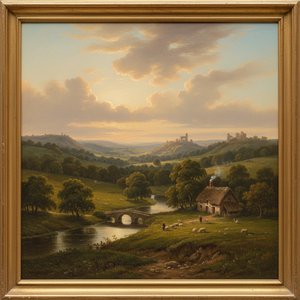
George Barret the Elder: Pioneering British Pastoral Painting & Landscape's Rise
Explore the life & art of George Barret Sr., a pioneer of British pastoral painting. Discover his influence on Romantic landscape art, patronage, and collecting tips from ArtsDot.

Beyond the Horizon: 10 Landscape Masterpieces for Your Home Decor
Journey through 10 breathtaking landscape paintings by Monet, Van Gogh & more! Explore iconic artworks, artistic techniques & find inspiration for your home decor. Museum-quality reproductions at ArtsDot.com. Discover all masterpieces on ArtsDot.com