

 Preview
 Send
Send Share
Share
 Details

 Download
 Similars
 X-Ray
X-Ray Diaporama
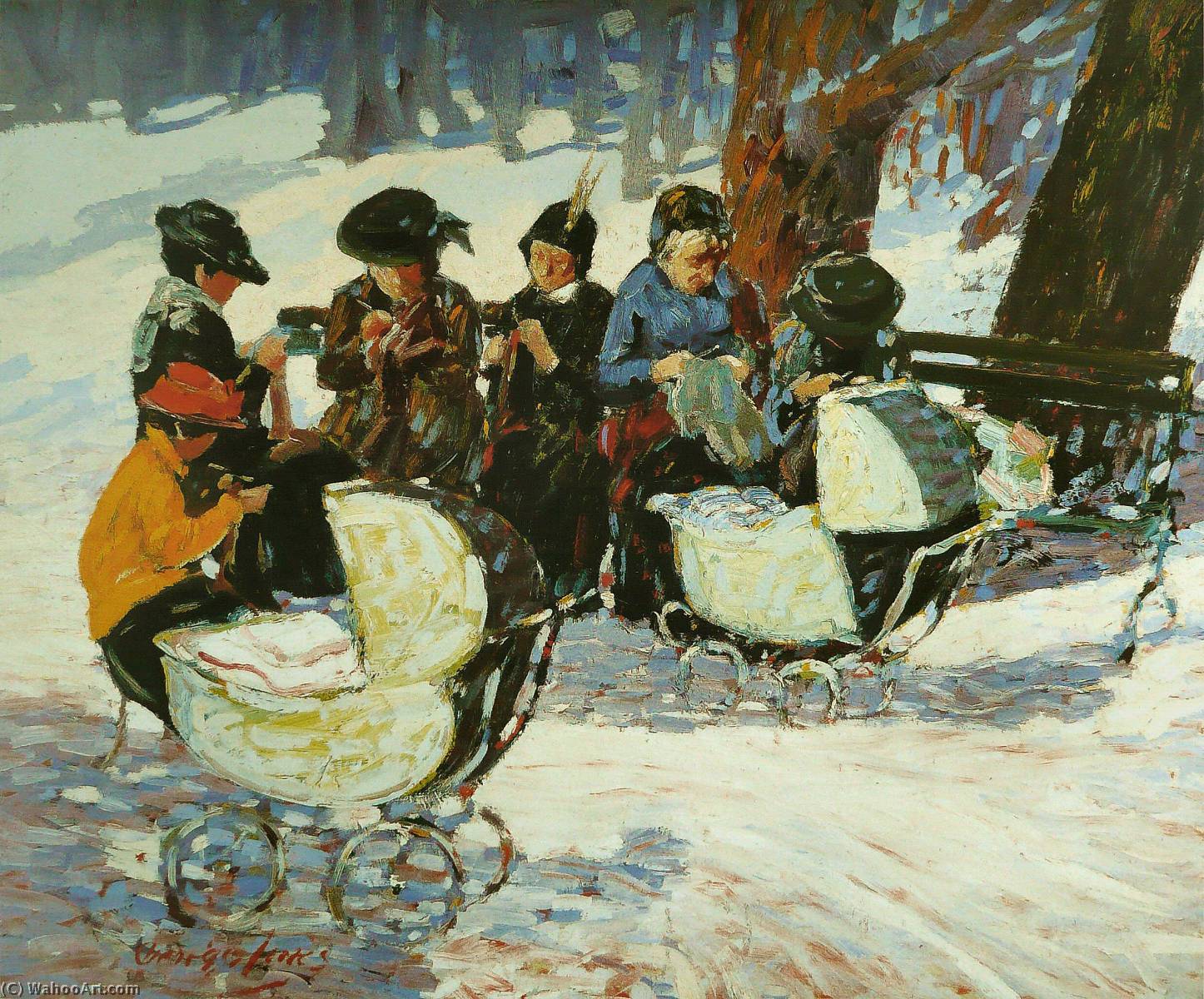
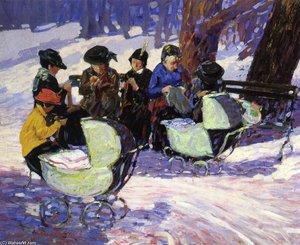
Knitting for the Soldiers High Bridge Park


 Read More
Purchase a high-resolution, enhanced digital image, far superior to the online preview.
Each file is meticulously prepared by our in-house specialists using advanced tools and expert manual retouching. We ensure every image has exceptional clarity, precise color accuracy, and fine detail.
The final file is delivered via email within 72 hours, optimized for immediate use in professional, editorial, and print environments. This is the same quality trusted by top-tier design studios, publishers, and galleries.
Digital Image
Download a high-resolution file for personal display, printing, and creative projects. ( Buy Print Buy Hand Made Painting)
Included in Every Digital Image Order
Expert Digital Delivery, Guaranteed
When you choose ArtsDot.com, you're not just getting an image - you're receiving a professionally enhanced digital artwork, crafted with precision and backed by a satisfaction guarantee. Here's everything that comes with your order, automatically:

Fast Email Delivery
Your high-resolution digital image file will be emailed to you within 72 hours of ordering - ready for immediate use.

AI-Enhanced Digital File
Your artwork is professionally optimized using advanced AI tools and manual editing, ensuring maximum detail, clarity, and color accuracy.

Free Lifetime Re-Delivery
Accidentally deleted or lost your file? No worries - we'll resend it to you anytime, free of charge.

No Import Fees - Ever
Enjoy your artwork instantly with zero customs, duties, or delivery fees - digital downloads are always tax-free.

Color Accuracy Guarantee
We ensure your digital image reflects the original colors as closely as possible using professional tools and color management.

60-Day Satisfaction Guarantee
If you're not satisfied with your digital image, we'll revise it or refund 100% within 60 days - no questions asked.

100% Money-Back Guarantee
Not satisfied? Get a full refund within 60 days of receiving your digital file - no questions asked.

Bulk Order Discounts
Buy 3 images, save 10% - Buy 5, save 15% - Buy 10+, save 20%. Great for creative projects, galleries, and agencies.
Collectible Description
A Moment of Comfort Amidst Wartime Anxiety
“Knitting for the Soldiers, High Bridge Park,” painted by George Benjamin Luks in 1918, stands as a poignant testament to resilience and compassion during the tumultuous years of World War I. This evocative scene captures a seemingly simple act – knitting – undertaken by a group of women in Central Park, New York City, offering solace and support to those serving overseas.
The Artist’s Vision: American Realism
George Benjamin Luks (1867-1933), a pivotal figure in the American realist movement, approached his subject matter with unflinching honesty. Influenced by Impressionists like Monet and Renoir, yet firmly rooted in the gritty realities of urban life, Luks eschewed idealized depictions in favor of portraying everyday individuals grappling with hardship and striving for connection. His brother’s theatrical experience undoubtedly honed his observational skills, allowing him to distill complex emotions into powerfully rendered images.
Technique and Composition
Luks employed a bold palette dominated by earthy tones—browns, ochres, and muted greens—reflecting the wintry landscape of High Bridge Park. Thick impasto brushstrokes contribute to the painting’s textural richness, conveying both the physicality of the knitting needles and the warmth emanating from the women involved. The composition is carefully balanced, drawing the viewer's eye towards the central group while subtly incorporating elements like the baby carriage and the dogs—symbols of domesticity juxtaposed against the backdrop of war.
Historical Context: Knitting Drives Home Support
The painting emerged during a period marked by profound anxieties surrounding the Great War. Women’s knitting circles sprang up across America as patriotic citizens sought tangible ways to aid wounded soldiers and their families. This act of domestic solidarity represented more than just practical assistance; it embodied a broader yearning for normalcy amidst chaos—a desire to maintain connections with loved ones while simultaneously demonstrating unwavering devotion to national defense.
Symbolism: Threads of Hope
The knitting needles themselves serve as potent symbols of creativity, perseverance, and the nurturing spirit. They represent not only the physical act of crafting but also the emotional effort required to sustain hope and resilience in challenging circumstances. The presence of the dogs—often interpreted as companionships—further reinforces this theme of connection and comfort.
Emotional Impact
“Knitting for the Soldiers, High Bridge Park” transcends mere depiction; it communicates a profound sense of empathy and human dignity. Luks’s masterful technique captures the quiet determination of these women, conveying an unspoken message of solidarity and unwavering optimism—a reminder that even in times of darkness, acts of kindness and creativity can illuminate the path forward.
Related Artworks
Artist Biography
A Life Forged in the Crucible of American Realism
George Benjamin Luks, a name synonymous with the gritty energy and unvarnished truth of early 20th-century America, was more than just a painter; he was a chronicler of an era. Born in Williamsport, Pennsylvania, in 1867 to immigrant parents – his father a Polish physician, his mother a German musician – Luks’s upbringing instilled within him a deep empathy for the struggles and triumphs of everyday people. This sensitivity would become the defining characteristic of his artistic vision. His early life was anything but conventional; before dedicating himself to canvas and brush, he and his brother trod the boards as vaudeville performers, honing an observational skill and understanding of human character that would later prove invaluable. It was a world of fleeting moments, exaggerated gestures, and raw emotion – a training ground for capturing the essence of life itself. This period instilled in him a love for performance and spectacle, elements subtly woven into the dynamic compositions of his paintings.From European Studies to the Ashcan School
Luks’s formal artistic education began at the Pennsylvania Academy of the Fine Arts, but it was his subsequent travels to Europe that truly shaped his aesthetic sensibilities. He immersed himself in the works of the Old Masters – Velázquez and Hals particularly resonated with him – absorbing their mastery of light, shadow, and characterization. However, he wasn’t merely imitating; he was synthesizing these influences into something uniquely his own. Upon returning to America, Luks found work as a newspaper illustrator, first in Philadelphia and then in New York City. This experience proved pivotal. It exposed him to the bustling streets, diverse populations, and stark realities of urban life – subjects that would dominate his artistic output for years to come. He connected with a circle of like-minded artists—Robert Henri, John Sloan, William Glackens—who shared a rejection of academic conventions and a desire to depict the world as they saw it, honestly and without pretense. This collective spirit gave rise to what became known as the Ashcan School, a movement that challenged the prevailing artistic norms and celebrated the beauty in the mundane.Capturing the Pulse of Urban Life
Luks’s paintings are characterized by their vigorous brushwork, bold compositions, and unflinching portrayal of urban life. He didn't shy away from depicting the poverty, hardship, and social inequalities that plagued early 20th-century America. His subjects were often drawn from the streets of New York City – cab drivers, street performers, laborers, and ordinary people going about their daily lives. The Cabby, for example, is a powerful depiction of a working man, his face etched with weariness but radiating a quiet dignity. Similarly, Sulky Boy captures the vulnerability and introspection of youth with remarkable sensitivity. Luks’s technique was as distinctive as his subject matter. He employed a thick impasto style, applying paint liberally to the canvas, creating a textured surface that seemed to vibrate with energy. His use of color was often muted, reflecting the grimy realities of urban life, but punctuated by flashes of brilliance that drew the viewer's eye.A Voice for the Underrepresented and Lasting Legacy
As a member of “The Eight,” Luks played a crucial role in challenging the established art world and paving the way for American modernism. The group’s independent exhibition in 1908 was a watershed moment, sparking controversy but also garnering attention for their innovative approach to painting. Luks wasn't simply interested in documenting reality; he sought to convey its emotional weight, its inherent drama. He wanted his paintings to be felt as much as seen. Beyond his artistic achievements, Luks was also a passionate advocate for American art and artists. He taught at the Art Students League, inspiring generations of young painters to embrace their own unique voices and perspectives. His influence can be seen in the work of countless subsequent artists who sought to capture the spirit of the urban experience. George Benjamin Luks died in 1933, leaving behind a body of work that continues to resonate with viewers today. His paintings are not merely historical documents; they are powerful testaments to the human condition, reminders of the struggles and triumphs of those whose stories might otherwise have been forgotten. He remains a vital figure in American art history, a champion of realism, and a voice for the underrepresented.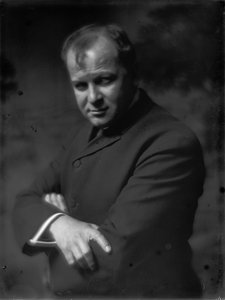
George Benjamin Luks
1867 - 1933 , United States of America
Quick Facts
- Artistic Movement Or Style: Ashcan School, Realism
- Artists Or Movements Influenced By This Artist: ['American Modernism']
- Artists Who Influenced This Artist:
- Velázquez
- Hals
- Manet
- Date Of Birth: 1867
- Date Of Death: 1933
- Full Name: George Benjamin Luks
- Nationality: American
- Notable Artworks:
- The Cabby
- Sulky Boy
- Coal Mining Town
- Place Of Birth: Williamsport, USA

