

 Preview
 Send
Send Share
Share
 Details

 Download
 Similars
 X-Ray
X-Ray Diaporama
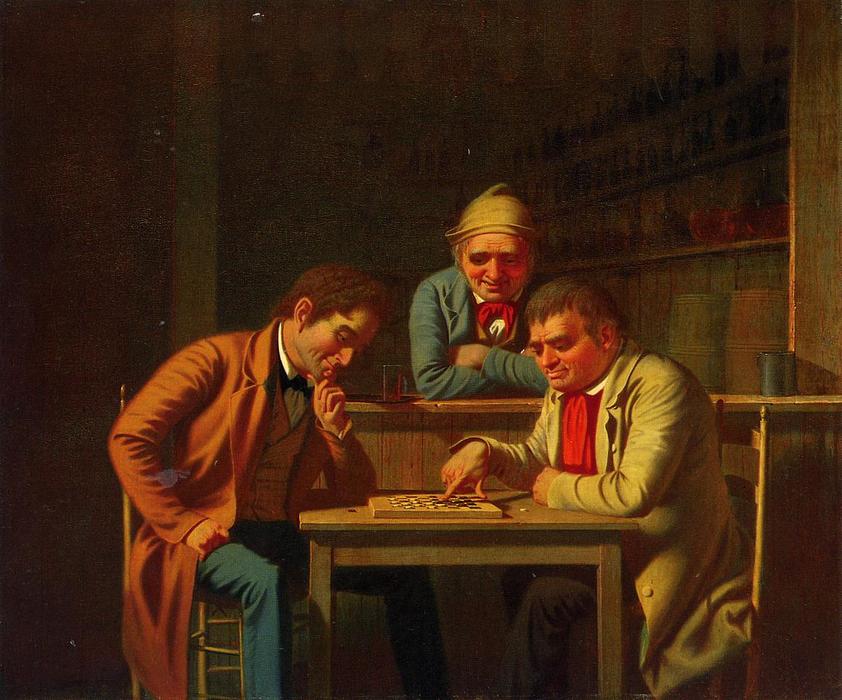
The Checker Players (also known as Playing Checkers)


 Read More
Purchase a high-resolution, enhanced digital image, far superior to the online preview.
Each file is meticulously prepared by our in-house specialists using advanced tools and expert manual retouching. We ensure every image has exceptional clarity, precise color accuracy, and fine detail.
The final file is delivered via email within 72 hours, optimized for immediate use in professional, editorial, and print environments. This is the same quality trusted by top-tier design studios, publishers, and galleries.
Digital Image
Download a high-resolution file for personal display, printing, and creative projects. ( Buy Print Buy Hand Made Painting)
Included in Every Digital Image Order
Expert Digital Delivery, Guaranteed
When you choose ArtsDot.com, you're not just getting an image - you're receiving a professionally enhanced digital artwork, crafted with precision and backed by a satisfaction guarantee. Here's everything that comes with your order, automatically:

Fast Email Delivery
Your high-resolution digital image file will be emailed to you within 72 hours of ordering - ready for immediate use.

AI-Enhanced Digital File
Your artwork is professionally optimized using advanced AI tools and manual editing, ensuring maximum detail, clarity, and color accuracy.

Free Lifetime Re-Delivery
Accidentally deleted or lost your file? No worries - we'll resend it to you anytime, free of charge.

No Import Fees - Ever
Enjoy your artwork instantly with zero customs, duties, or delivery fees - digital downloads are always tax-free.

Color Accuracy Guarantee
We ensure your digital image reflects the original colors as closely as possible using professional tools and color management.

60-Day Satisfaction Guarantee
If you're not satisfied with your digital image, we'll revise it or refund 100% within 60 days - no questions asked.

100% Money-Back Guarantee
Not satisfied? Get a full refund within 60 days of receiving your digital file - no questions asked.

Bulk Order Discounts
Buy 3 images, save 10% - Buy 5, save 15% - Buy 10+, save 20%. Great for creative projects, galleries, and agencies.
Collectible Description
A Snapshot of Frontier Life: George Caleb Bingham’s “The Checker Players”
George Caleb Bingham's "The Checker Players," painted in 1850, isn’t merely a depiction of a game of checkers; it’s a meticulously crafted window into the heart of 19th-century American life along the Missouri River. This oil on canvas masterpiece, currently residing at the Detroit Institute of Arts, offers a rare glimpse into the social dynamics and quiet camaraderie of a rural frontier community. Bingham, a master of capturing both likeness and character, skillfully transports us to a dimly lit tavern or perhaps a well-appointed parlor, where three men are deeply engrossed in their strategic game.
The painting’s composition is deceptively simple yet profoundly effective. The central focus rests squarely on the table occupied by the players, their figures dominating the foreground and drawing the viewer's eye immediately into the scene. Shelves laden with bottles and jars—a testament to a bustling tavern or mercantile establishment—form a subtly receding background, creating an illusion of depth and suggesting a lively atmosphere beyond the immediate game. The lighting, dramatic and carefully considered, casts strong shadows, highlighting the faces of the players, particularly the man in the center, whose intense concentration speaks volumes about the mental acuity required for this deceptively complex pastime.
Realism and Luminist Techniques
Bingham’s artistic approach is firmly rooted in American Realism, a movement that sought to depict everyday life with unflinching honesty. However, he subtly incorporates elements of Luminism, an aesthetic emphasizing soft, diffused light and atmospheric effects. This technique contributes significantly to the painting's warm and intimate feel, bathing the scene in a gentle glow despite the strong shadows. Notice how Bingham builds up layers of color through his brushwork—a deliberate choice that adds texture and volume to the figures and objects, imbuing them with a palpable sense of physicality.
The artist’s use of line is equally noteworthy. Precise lines delineate the forms of the men, the table, and the surrounding objects, providing a foundation for the more expressive application of color. Yet, these lines aren't rigid or stark; they are softened by Bingham’s technique, contributing to the overall sense of realism while simultaneously avoiding an overly formal or stylized appearance. The shapes themselves—the rounded bodies of the men, the irregular forms of the bottles – contrast beautifully with the geometric precision of the chessboard and table, creating a harmonious balance within the composition.
Symbolism and Social Commentary
"The Checker Players" transcends its simple subject matter to offer subtle commentary on American society. The game of checkers itself is laden with symbolism—representing strategy, intellect, and perhaps even a touch of rivalry or competition. The men engaged in the game are not depicted as grand figures; they are ordinary individuals, reflecting the diverse population that populated the frontier settlements of Missouri. Their relaxed posture and focused attention suggest a shared experience, a moment of respite from the challenges of daily life.
Furthermore, the setting—a tavern or mercantile establishment—was a central hub for social interaction in these communities. It was a place where people gathered to exchange news, settle disputes, and simply enjoy each other’s company. Bingham's painting captures this essence perfectly, offering a poignant reminder of the importance of human connection in shaping the American experience. The scene evokes a sense of nostalgia for a bygone era, inviting us to contemplate the values and traditions that defined frontier life.
Owning a Piece of American History
Hand-painted reproductions of “The Checker Players” are now available through ArtsDot.com, allowing art enthusiasts to bring this iconic work into their homes or offices. Each reproduction meticulously recreates Bingham’s masterful technique and vibrant color palette, ensuring that you own a faithful representation of this remarkable American masterpiece. Whether you are an avid collector, an interior designer seeking to evoke the spirit of the frontier, or simply someone who appreciates exceptional art, “The Checker Players” offers a timeless symbol of American heritage and artistic skill.
Related Artworks
Artist Biography
A Life Painted on the American Frontier
George Caleb Bingham, born in 1811 amidst the rolling landscapes of Virginia, wasn’t destined for a life steeped in artistic convention. His early years were marked by movement and adaptation, a family relocation to the burgeoning Missouri frontier shaping his perspective in profound ways. This shift from the established East to the raw energy of the West became the very bedrock of his artistic vision. The hardships faced by his family instilled within him an acute awareness of the struggles and triumphs inherent in the American experience – themes that would dominate his canvases for decades to come. A pivotal encounter at age nine with Chester Harding, a traveling portraitist passing through Franklin, Missouri, ignited a spark. This brief exposure wasn’t merely an introduction to technique; it was a revelation of art's power to capture not just likeness but the very essence of human character. Though largely self-taught initially, Bingham honed his skills through apprenticeships with cabinet makers, learning meticulous draftsmanship and an eye for detail – qualities that would become hallmarks of his mature style. By nineteen, he was already earning a living as a portrait painter, demonstrating an innate talent that quickly established him within the local community. This early success propelled him towards St. Louis, a vibrant hub where he sought to refine his skills and immerse himself in a growing artistic milieu.The Luminist Touch and American Realism
Bingham’s artistic journey wasn't confined by formal training; it was deeply interwoven with the world around him – the majestic Mississippi and Missouri Rivers, the bustling river towns teeming with life, and the diverse individuals who navigated this dynamic landscape. He became a keen observer of American society, particularly along these vital waterways that served as arteries of commerce and migration. His style gradually evolved, embracing elements of Luminism, an artistic movement characterized by its emphasis on atmospheric effects and the subtle interplay of light. This is strikingly evident in works like Order at the Border (1850), where the golden hues of the setting sun illuminate a tense negotiation between settlers and Native Americans, imbuing the scene with both beauty and underlying tension. However, Bingham wasn’t simply a Luminist painter; he infused his work with a powerful dose of realism, striving to depict American life with unflinching honesty and authenticity. The County Election (1844) stands as perhaps his most iconic representation of this approach – a vibrant tableau capturing the boisterous energy and democratic spirit of frontier politics. The painting isn’t merely a depiction of an event; it's a social commentary, offering insights into the values, anxieties, and aspirations of 19th-century Americans. His ability to capture the essence of American culture is also powerfully displayed in St. Louis Jockey, on the Battlefield (1862), a poignant reflection on the Civil War’s impact on everyday life, revealing the subtle scars left upon the nation's psyche.Themes of Frontier Life and Social Commentary
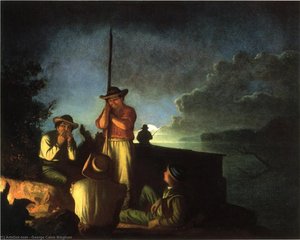
Throughout his career, Bingham consistently returned to themes central to the American experience: westward expansion, political participation, the rhythms of river life, and the complexities of human interaction. He wasn’t afraid to tackle difficult subjects, often embedding subtle social commentary within seemingly straightforward depictions of everyday scenes. His paintings weren't simply aesthetically pleasing; they were narratives, offering glimpses into the moral and ethical dilemmas facing a young nation grappling with its identity. Consider Raftsmen Playing Cards, or The Checker Players, both capturing moments of leisure but also hinting at the hardships and uncertainties faced by those who worked the rivers. These works demonstrate Bingham’s skill in imbuing seemingly mundane activities with a sense of depth and significance. He wasn't interested in idealizing the frontier; he sought to portray it as it was – a place of opportunity, hardship, and constant change. His paintings offer a valuable historical record, providing insights into the social customs, political attitudes, and daily lives of Americans during a pivotal period in their history. Family Life on the Frontier (1845) exemplifies this approach, offering a tender yet realistic portrayal of domesticity amidst the challenges of pioneer existence. Even his portraits, like that of Samuel Bullitt Churchill, reveal a psychological depth beyond mere physical representation.Rediscovery and Lasting Legacy
Despite his prominence during his lifetime, Bingham’s work experienced a period of relative obscurity following his death in 1879. It wasn't until the 1930s that a renewed interest in his art emerged, fueled by a growing appreciation for American Regionalism and Realism. This rediscovery led to a reevaluation of his contributions to American art history, recognizing him as a master of both Luminist technique and social commentary. By the time of his bicentennial in 2011, George Caleb Bingham had firmly established himself as one of the greatest American painters of the 19th century. His influence continues to resonate today, inspiring artists who seek to capture the beauty and complexity of the American landscape and its people. His legacy extends beyond his individual paintings; he helped define a distinctly American artistic voice, one that celebrated the nation’s unique character and confronted its challenges with honesty and insight.- Canvassing for a Vote: A powerful depiction of political engagement on the frontier.
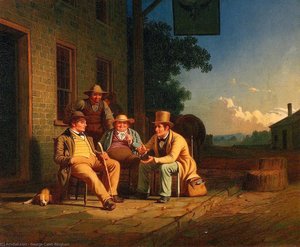
- Order No. 11: Illustrates the complexities of interactions between settlers and Native Americans.
- Lighter Relieving the Steamboat Aground: Captures a moment of rural American life with stunning detail.
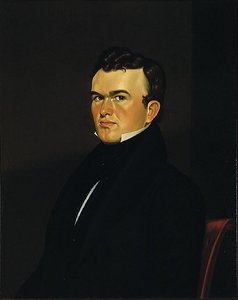
George Caleb Bingham
1811 - 1879 , United States of America
Quick Facts
- Artistic Movement Or Style: Luminism, Realism
- Date Of Birth: 1811
- Date Of Death: 1879
- Full Name: George Caleb Bingham
- Nationality: American
- Notable Artworks:
- The County Election
- Raftsmen Playing Cards
- Family Life on Frontier
- Country Politician
- Place Of Birth: Virginia, USA

