 Preview
 Send
Send Share
Share
 Details

 Download
 Similars
 X-Ray
X-Ray Diaporama
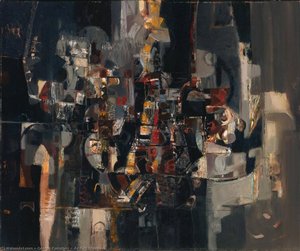
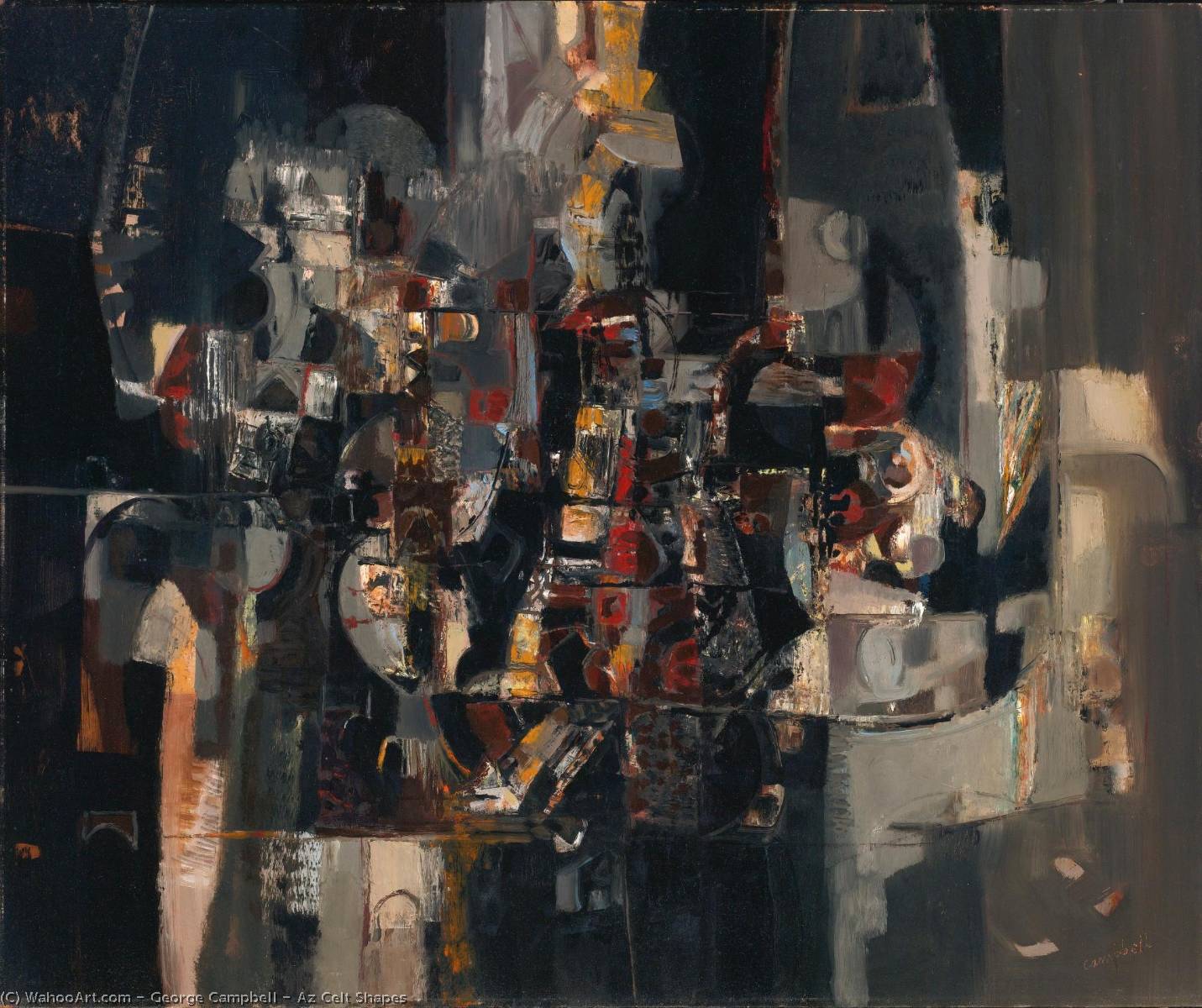
Az Celt Shapes

 Read More
Giclée / Art Print
Museum-quality giclée or canvas print with fast production and flexible finish options. ( Buy Hand Made Painting Buy Image)




P118B $10

P118H $10

P118W $10

P438Z $10

P508JH $12

P508YH $12

P805H $10

P805Z $10

P919BZ $10

P919G $10

P919XJ $10

P959ZH $10

P968JZ $12

W106C $8

W218G $10

W218JH $8

W218Y $10

W307PJ $10

W316G $10

W316PJ $8

W316Y $10

W398PJ $8

W4111J $10

W500HY $15

W500JH $15

W692G $12

W849H $8

W940BG $15

W953PJ $8




Pick from our preset sizes that match the artwork's original proportions.

You may enter your own dimensions to fit a specific frame or space. If your selected size does not match the original image's proportions, we will either crop the artwork or extend the image with a mirrored or solid-fill edge. A digital mockup will be sent for your approval before production begins.
Please note that the on-screen preview does not reflect the actual cropping or extension. Only the mockup will accurately show the final composition.
While custom sizes are available, we recommend selecting a dimension from the predefined list to preserve the original proportions.
Worldwide Delivery () in 2 weeks instead of standard 4/5 weeks. (18 August)

Free Worldwide Express Shipping

High-Quality Linen Canvas

Full Shipping Insurance

Customs Tax Refund Guarantee

True Color Matching Guarantee

60-Day Return Policy (Defects Only)

100% Money-Back Guarantee

Bulk Discount Offer
 Glass option is only available in size under 110 CM

Az Celt Shapes
Giclée / Art Print
Reproduction Size
-


Total Price
$ 63
Related Artworks
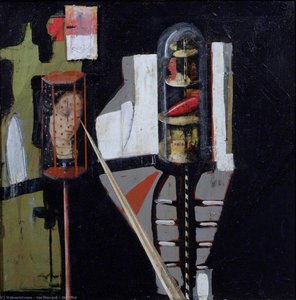
Artist Biography
A Life Painted Across Borders: The Story of George Campbell
George Campbell, born in Arklow, County Wicklow, Ireland, on July 29th, 1917, and passing away on May 18th, 1979, was an artist whose life unfolded as a vibrant tapestry woven with threads of Irish heritage, Spanish passion, and a relentless pursuit of artistic expression. Though his roots lay in the quiet landscapes of Ireland, Campbell’s journey led him to embrace a broader world, ultimately establishing him as a significant figure bridging cultural divides through his evocative paintings, stained glass work, and literary contributions. His early life saw him move between Dublin and Belfast, absorbing the distinct atmospheres of both cities before finding himself unexpectedly immersed in the raw realities of wartime Britain. Working in an aircraft factory during the Blitz proved to be a pivotal moment; it was amidst the devastation that Campbell first turned to painting, documenting the bomb damage with a stark honesty that would become a hallmark of his early style. This period wasn’t merely about recording destruction, however—it was a nascent exploration of form and texture, born from necessity and fueled by an innate artistic sensibility. He quickly became involved in the burgeoning Irish art scene, co-founding the Irish Exhibition of Living Art in 1943, a platform that championed contemporary Irish artists and challenged traditional academic norms.From Ulster to Iberia: The Shaping of a Spanish Vision
The immediate post-war years saw Campbell’s artistic curiosity drawn southwards—towards Spain. Initially sparked by friendships with Spaniards residing in Dublin, his interest deepened through encounters with visiting flamenco dancers and a growing fascination with the country's rich cultural history. A pivotal friendship with Gerald Dillon proved instrumental in encouraging this exploration. In the early 1950s, Campbell finally embarked on an extended sojourn to Spain, a decision that would irrevocably alter the course of his artistic development. He didn’t simply visit; he *lived* within Spanish culture, immersing himself in its traditions, its light, and its people. This wasn't merely a change of scenery but a profound shift in perspective. The landscapes of Ireland, previously dominant in his work, began to intertwine with the sun-drenched vistas of Andalusia and Castile. His palette broadened, infused with warmer tones and a newfound vibrancy reflecting the Spanish aesthetic. He sought out “bohemian characters,” finding inspiration in the lives and stories of those living on the fringes of society—bullfighters, gypsies, and musicians who embodied the spirit of Spain.A Multifaceted Artist: Painting, Glass, and the Written Word
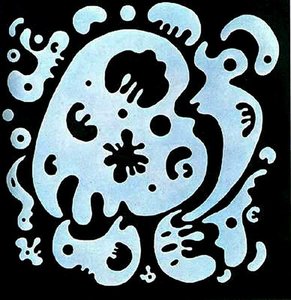
Campbell’s artistic output was remarkably diverse. While best known for his oil paintings – often depicting Spanish scenes, portraits, and still lifes – he also excelled in other mediums. His stained glass windows, notably those commissioned for Galway Cathedral, stand as testaments to his mastery of color and light, transforming architectural spaces into immersive experiences. These weren’t simply decorative elements; they were carefully considered works of art that integrated seamlessly with the cathedral's design. Beyond painting and glass, Campbell was a gifted writer, collaborating with his brother Arthur on *Now in Ulster* (1944), an anthology showcasing emerging literary talent from Belfast. This demonstrates a broader commitment to fostering artistic expression beyond his own practice. His paintings themselves often carry a narrative quality, hinting at stories and emotions beneath the surface of the canvas. He wasn’t afraid to experiment with abstraction, as evidenced in works like “Az Celt Shapes,” exploring form and pattern in striking black and white compositions.Recognition and Legacy: A Knight Commander of Spain
Throughout his career, Campbell received significant recognition for his contributions to the arts. He was elected a member of the Royal Hibernian Academy, winning prestigious awards such as the Douglas Hyde Gold Medal in 1966 and the Oireachtas Prize for Landscape in 1969. However, perhaps the most poignant acknowledgement of his deep connection with Spain came in 1978 when he was made a Knight Commander of Spain by the Spanish government—a testament to his role in fostering cultural understanding between Ireland and Iberia. In May 2017, exactly one hundred years after his birth, Arklow Municipal District unveiled plaques commemorating his birthplace, solidifying his place within the local community’s history. George Campbell's legacy extends beyond his impressive body of work; he represents a spirit of artistic exploration, cultural exchange, and a dedication to capturing the essence of life in all its complexity. His paintings continue to resonate with viewers today, offering glimpses into a world painted across borders—a world where Irish landscapes meet Spanish passion, and where art transcends geographical boundaries.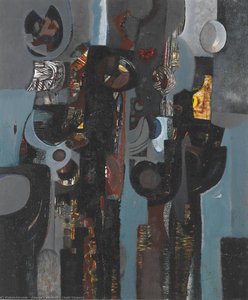
Quick Facts
- Artistic Movement Or Style: Landscape Art
- Artists Or Movements Influenced By This Artist: ['Spanish Landscape Art']
- Artists Who Influenced This Artist: ['Gerald Dillon']
- Date Of Birth: July 29, 1917
- Date Of Death: May 18, 1979
- Full Name: George Campbell
- Nationality: Irish
- Notable Artworks:
- Az Celt Shapes
- Principal George Campbell
- Place Of Birth: Arklow, County Wicklow
Related Articles
Georges Braque's Masterpieces: 25 Paintings That Defined Cubism & Modern Art | ArtsDot
Explore 25 iconic Georges Braque paintings that revolutionized Cubism & modern art. Discover the stories behind his masterpieces, from Fauvism to Analytical Cubism. Find museum-quality reproductions & elevate your home decor with ArtsDot.com.

White on Canvas: 10 Masterpieces & Timeless Elegance for Your Home Decor
Explore 10 iconic white paintings by Monet, Whistler & Rothko! Discover the stories behind these serene masterpieces and their impact on art history. Find museum-quality reproductions for your home decor at .
Georges Seurat's Masterpieces: 25 Paintings That Defined Pointillism | ArtsDot
Explore 25 iconic Georges Seurat paintings & discover the brilliance of Pointillism. From 'La Grande Jatte' to his harbor scenes, delve into art history with ArtsDot.com. Find museum-quality reproductions for your home decor. Explore the full collection online!

Dark Masterpieces: 10 Iconic Paintings Dominated by Black Tones |
Explore 10 iconic paintings dominated by black tones, from Rembrandt’s chiaroscuro to Goya's dark expressions. Discover the stories behind these masterpieces & find museum-quality art reproductions for your home at .
Kandinsky's Masterpieces: 25 Paintings That Define Abstract Art | ArtsDot
Journey through Wassily Kandinsky's 25 most iconic abstract paintings. Explore his revolutionary use of color, form & spiritual expressionism. Find museum-quality Kandinsky reproductions and elevate your home decor with ArtsDot.com. Discover all masterpieces on ArtsDot.com!