

 Preview
 Send
Send Share
Share
 Details

 Download
 Similars
 X-Ray
X-Ray Diaporama
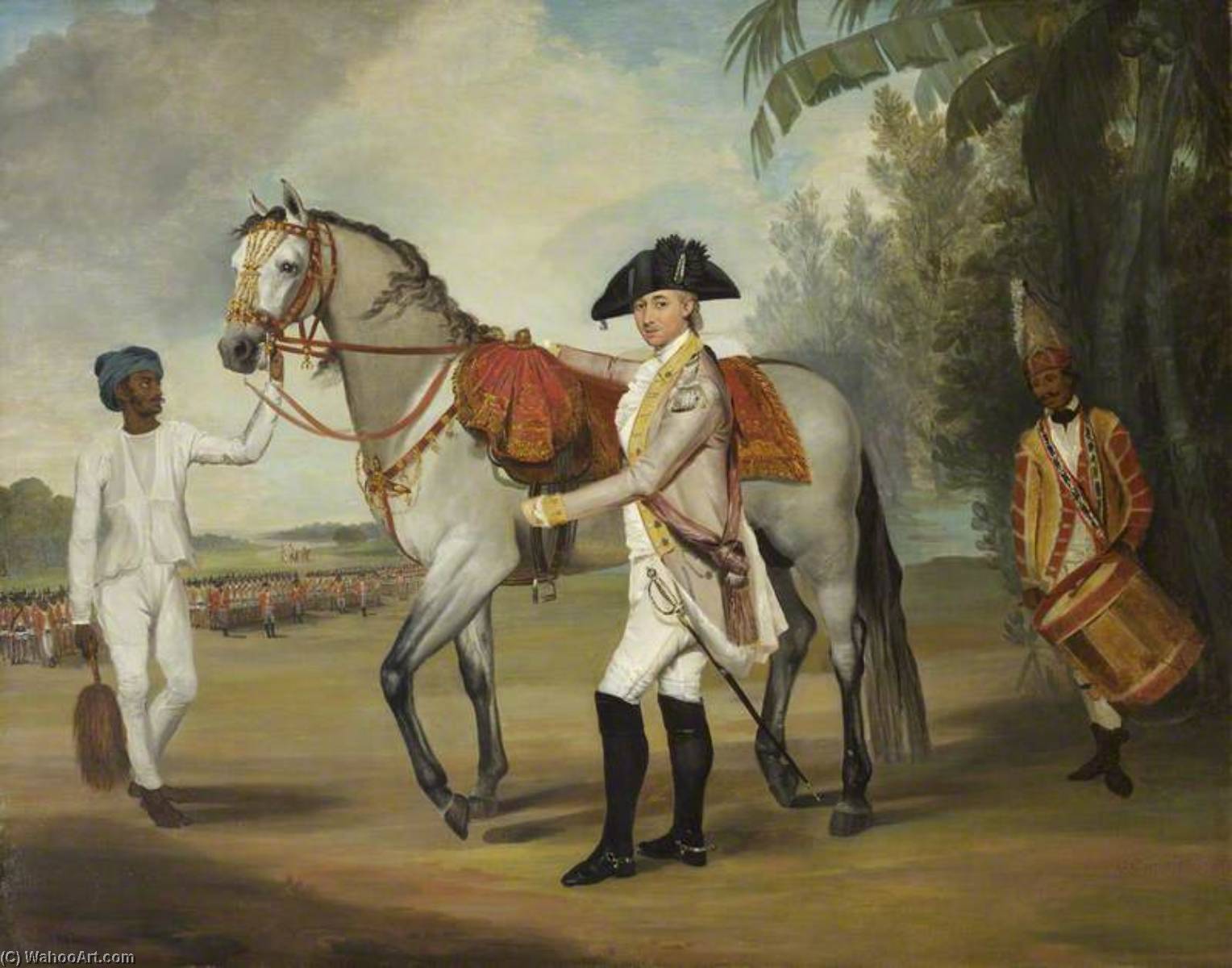
An Officer of a Sepoy Regiment with His Syce and a Drummer
 1786
1786 100.0 x 125.0 cm
 Read More
Purchase a high-resolution, enhanced digital image, far superior to the online preview.
Each file is meticulously prepared by our in-house specialists using advanced tools and expert manual retouching. We ensure every image has exceptional clarity, precise color accuracy, and fine detail.
The final file is delivered via email within 72 hours, optimized for immediate use in professional, editorial, and print environments. This is the same quality trusted by top-tier design studios, publishers, and galleries.
Digital Image
Download a high-resolution file for personal display, printing, and creative projects. ( Buy Print Buy Hand Made Painting)
Included in Every Digital Image Order
Expert Digital Delivery, Guaranteed
When you choose ArtsDot.com, you're not just getting an image - you're receiving a professionally enhanced digital artwork, crafted with precision and backed by a satisfaction guarantee. Here's everything that comes with your order, automatically:

Fast Email Delivery
Your high-resolution digital image file will be emailed to you within 72 hours of ordering - ready for immediate use.

AI-Enhanced Digital File
Your artwork is professionally optimized using advanced AI tools and manual editing, ensuring maximum detail, clarity, and color accuracy.

Free Lifetime Re-Delivery
Accidentally deleted or lost your file? No worries - we'll resend it to you anytime, free of charge.

No Import Fees - Ever
Enjoy your artwork instantly with zero customs, duties, or delivery fees - digital downloads are always tax-free.

Color Accuracy Guarantee
We ensure your digital image reflects the original colors as closely as possible using professional tools and color management.

60-Day Satisfaction Guarantee
If you're not satisfied with your digital image, we'll revise it or refund 100% within 60 days - no questions asked.

100% Money-Back Guarantee
Not satisfied? Get a full refund within 60 days of receiving your digital file - no questions asked.

Bulk Order Discounts
Buy 3 images, save 10% - Buy 5, save 15% - Buy 10+, save 20%. Great for creative projects, galleries, and agencies.
Related Artworks










Artist Biography
The Visionary Brush of George Carter
In the vibrant tapestry of the eighteenth-century British art scene, few names evoke the dramatic tension and historical grandeur of George Carter. Born in 1737 in the historic town of Colchester, Essex, Carter was an artist whose life journey mirrored the expansive spirit of the Enlightenment. His early years were far from the gilded studios of London; instead, he navigated the practicalities of life as a servant and later a mercer. This period of manual and commercial labor, though seemingly removed from the fine arts, gifted him with a profound, meticulous eye for detail and an intimate understanding of texture and material—qualities that would later define his masterful approach to oil painting.
The trajectory of Carter’s life changed irrevocably through his exposure to the wider world and the mentorship of titans. His travels to Italy and India were not merely excursions but essential pilgrimages that infused his work with a cosmopolitan sensibility. In Italy, he had the rare privilege of studying under Pompeo Batoni, the preeminent master of Baroque portraiture. From Batoni, Carter inherited the technique of layering thin, translucent glazes to create luminous skin tones and a sense of breathing life within the canvas. This classical foundation, blended with the exotic influences gathered during his time in India, allowed him to transcend simple likeness, moving toward a style that captured the very soul of his subjects.
A Symbiosis of Style and Spirit
Perhaps the most transformative chapter in Carter’s development was his intellectual and artistic partnership with John Singleton Copley. The relationship between these two men was far more than a mere acquaintance; it was a spirited exchange of ideas that pushed the boundaries of British portraiture. Under Copley's influence, Carter began to move away from static compositions toward something much more visceral. He embraced bold, saturated colors and dramatic, theatrical lighting, techniques that allowed him to depict not just faces, and figures, but entire historical epochs.
This evolution is most strikingly evident in his ability to blend the intimacy of portraiture with the scale of history painting. Carter became a chronicler of his age, finding beauty in both the quiet dignity of an intellectual and the chaotic ferocity of a battlefield. His work often functioned as a bridge between the individual and the monumental, capturing:
- The psychological depth of military officers and theatrical legends like Garrick.
- The sweeping, atmospheric tension of historical sieges, most notably his depictions related to the Siege of Gibraltar.
- The serene, pastoral beauty of the English countryside, as seen in his evocative landscapes near Blackmoor.
Legacy of a Historical Chronicler
The significance of George Carter lies in his role as a pioneer of historical portraiture. He did not merely paint people; he painted moments. By integrating the precise anatomical accuracy learned in Italy with the dramatic narrative flair encouraged by Copley, he helped elevate British art from mere documentation to high drama. His technique—a delicate dance of light and shadow achieved through painstaking glazing—ensured that his works possessed a timeless, glowing quality that commanded attention in the galleries of his time.
Though his life concluded in 1794, leaving behind a legacy etched in oil and pigment, Carter’s contribution to the art historical canon remains profound. He stands as a testament to the power of diverse experience, proving that a background in commerce and travel could coalesce into a sophisticated artistic vision. Today, when we look upon his depictions of General Eliott or the apotheosis of great actors, we are not just seeing the past; we are experiencing the vibrant, breathing history of the eighteenth century through the eyes of a man who mastered the art of capturing time itself.
Quick Facts
- Artistic Movement Or Style: Historical Portraiture
- Artists Or Movements Influenced By This Artist: ['Romantic Landscape Art']
- Artists Who Influenced This Artist: ['John Singleton Copley']
- Date Of Birth: 1737
- Full Name: George Carter
- Nationality: British
- Notable Artworks:
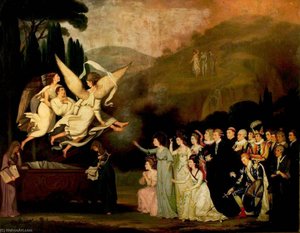
- The Apotheosis of Garrick
- Portrait of an Unknown Army Officer
- Gibraltar
- Death of Captain Cook
- General Eliott and His Officers Observing the Destruction of the Floating Batteries, Gibraltar
- Place Of Birth: Colchester, England

