 Preview
 Send
Send Share
Share
 Details

 Download
 Similars
 X-Ray
X-Ray Diaporama
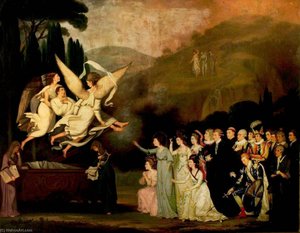
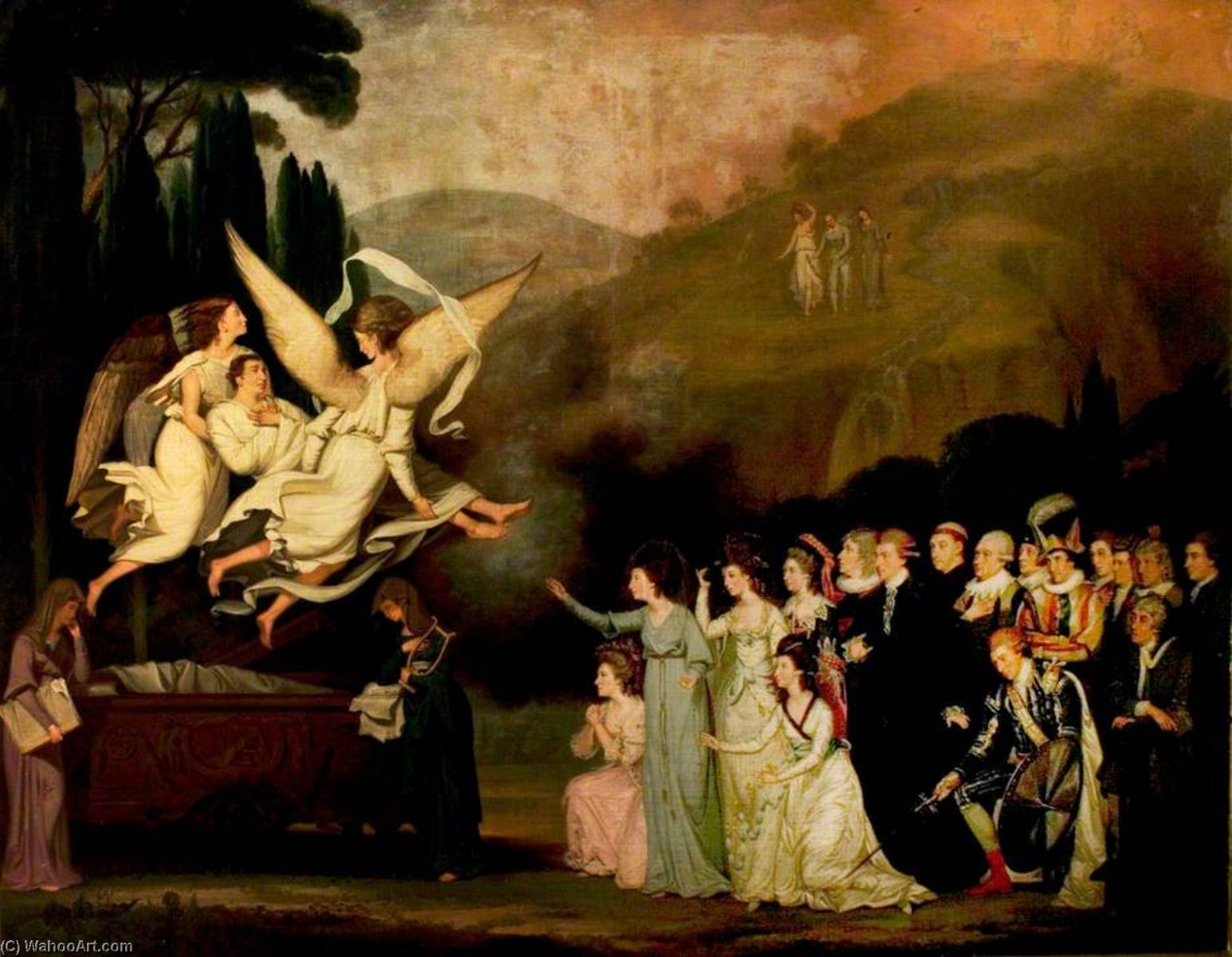
The Apotheosis of Garrick
 1782
1782 152.0 x 199.0 cm
 Read More
Hand Made Oil Reproduction
Hand-painted oil on canvas in your size and frame, made to order by our artists. ( Buy Print Buy Image)




































Pick from our preset sizes that match the artwork's original proportions.

You may enter your own dimensions to fit a specific frame or space. If your selected size does not match the original image's proportions, we will either crop the artwork or extend the painting with additional hand-painted elements. A digital mockup will be sent for your approval before production begins.
Please note that the on-screen preview does not reflect the actual cropping or extension. Only the mockup will accurately show the final composition.
While custom sizes are available, we recommend selecting a dimension from the predefined list to preserve the original proportions.
After order, ArtsDot.com team will email client for instructions and provide a mockup preview
Worldwide Delivery () in 3/4 weeks instead of standard 5 weeks. (23 August). No compromise on quality.

Free Worldwide Express Shipping

High-Quality Linen Canvas

Full Shipping Insurance

Customs Tax Refund Guarantee

True Color Matching Guarantee

60-Day Return Policy (Defects Only)

100% Money-Back Guarantee

Bulk Discount Offer
 Glass option is only available in size under 110 CM

The Apotheosis of Garrick
Reproduction Medium
Reproduction Size
-


Total Price
$ 263
Related Artworks








Artist Biography
George Carter (1737–1794): A Pioneer of Historical Portraiture
George Carter was an English artist who emerged during the Enlightenment, leaving a lasting mark on British art history through his distinctive approach to portrait painting and his fascination with capturing pivotal moments in time. Born in Colchester, Essex, in 1737, he received a solid education at the local free school before embarking on a journey that would shape both his artistic vision and his personal life—a journey punctuated by travel to Italy and India. Carter’s early career saw him working as a servant and later as a mercer in London, experiences which instilled in him a meticulous attention to detail and an understanding of the commercial realities of the art world. However, it was his partnership with John Singleton Copley that proved transformative. Copley, a celebrated American artist who had established himself in England, exerted considerable influence over Carter’s artistic style, encouraging him to embrace bold colors and dramatic compositions—a stylistic shift that would characterize much of his subsequent oeuvre. The correspondence between the two artists reveals a spirited intellectual exchange, highlighting Copley's astute observations on Carter's talent and fostering a collaborative spirit that propelled their respective careers forward. Carter’s artistic output spanned several decades, during which he produced an impressive array of paintings—primarily portraits—that captured the likenesses of prominent figures from his era. He gained renown for his depictions of military officers, intellectuals, and theatrical performers, demonstrating a remarkable ability to convey not only physical appearance but also psychological character. His meticulous technique involved layering thin glazes of color onto canvas, creating luminous surfaces that conveyed depth and nuance—a method honed during his formative years in Italy where he studied under Pompeo Batoni, a master of Baroque portraiture. Among Carter’s most celebrated works are “The Apotheosis of Garrick,” featuring portraits of leading actors from Shakespeare's Theatre Royal Drury Lane, and "The Death of Captain Cook," commemorating the explorer's fateful voyage to Hawaii. These paintings exemplify Carter’s commitment to documenting historical events with artistic precision and conveying their significance through evocative imagery. His meticulous attention to detail—evident in the rendering of fabrics, costumes, and facial expressions—underscores his dedication to capturing the essence of his subjects and presenting them as embodiments of their respective roles in history. Carter's legacy extends beyond his individual paintings; he played a crucial role in establishing the Society of Artists in London, fostering a vibrant artistic community that championed innovation and experimentation. His influence can be discerned in the stylistic developments of subsequent generations of British painters—particularly those who embraced the Romantic movement—who admired Carter’s boldness and sought to emulate his masterful technique. George Carter remains an artist whose work continues to inspire admiration for its beauty, accuracy, and profound engagement with the spirit of his time.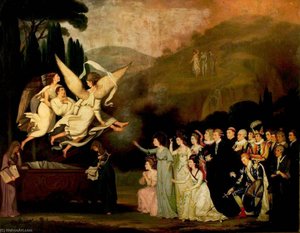
Quick Facts
- Artistic Movement Or Style: Historical Portraiture
- Artists Or Movements Influenced By This Artist: ['Romantic Landscape Art']
- Artists Who Influenced This Artist: ['John Singleton Copley']
- Date Of Birth: 1737
- Full Name: George Carter
- Nationality: British
- Notable Artworks:
- The Apotheosis of Garrick
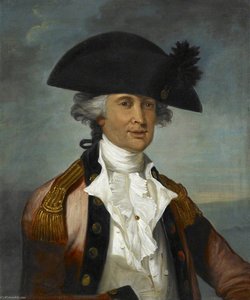
- Portrait of an Unknown Army Officer
- Gibraltar
- Death of Captain Cook
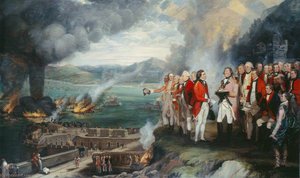
- General Eliott and His Officers Observing the Destruction of the Floating Batteries, Gibraltar
- Place Of Birth: Colchester, England