 Preview
 Send
Send Share
Share
 Details

 Download
 Similars
 X-Ray
X-Ray Diaporama
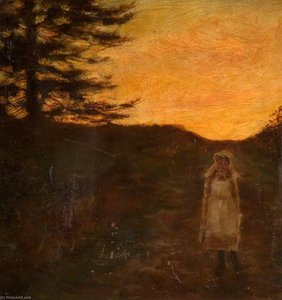
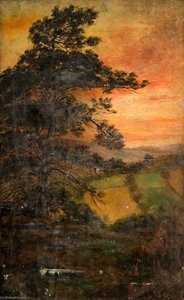
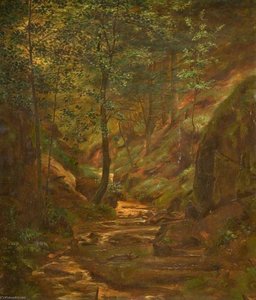
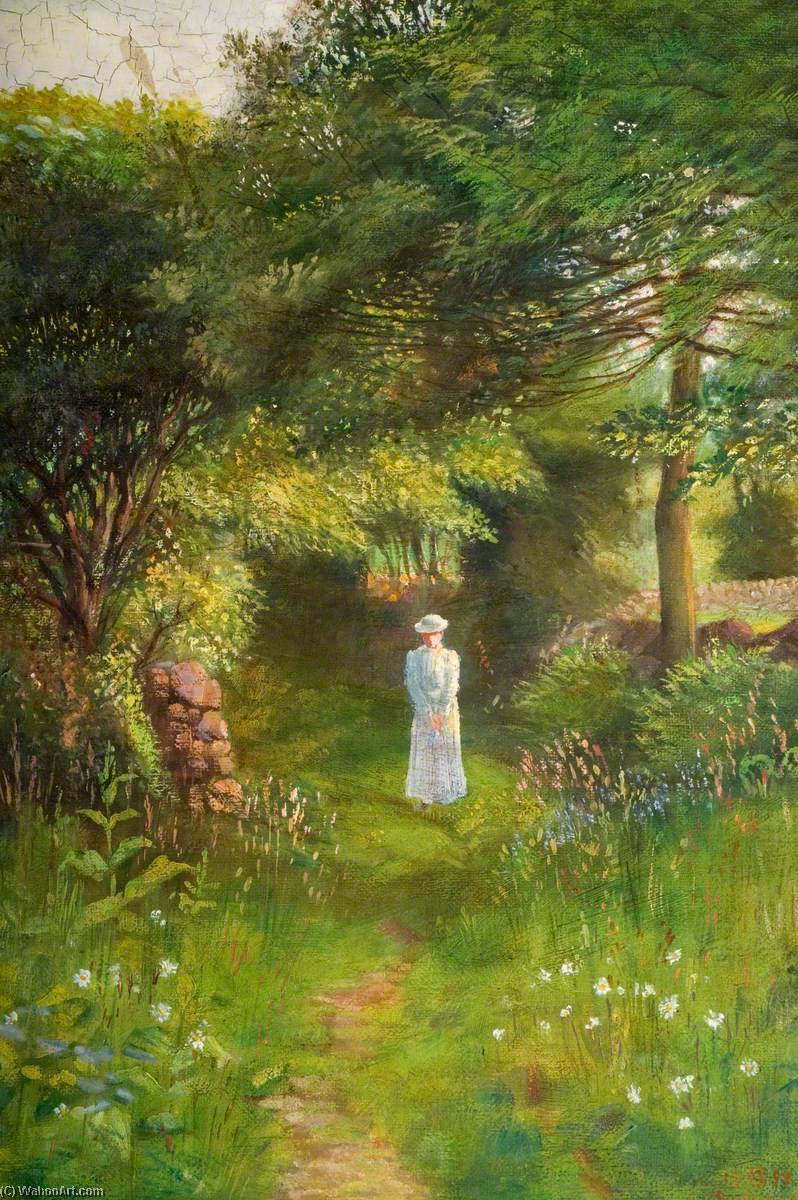
Landscape, Silver Birch Trees and Rocks
 29.0 x 19.0 cm
 Read More
Giclée / Art Print
Museum-quality giclée or canvas print with fast production and flexible finish options. ( Buy Hand Made Painting Buy Image)




































Pick from our preset sizes that match the artwork's original proportions.

You may enter your own dimensions to fit a specific frame or space. If your selected size does not match the original image's proportions, we will either crop the artwork or extend the image with a mirrored or solid-fill edge. A digital mockup will be sent for your approval before production begins.
Please note that the on-screen preview does not reflect the actual cropping or extension. Only the mockup will accurately show the final composition.
While custom sizes are available, we recommend selecting a dimension from the predefined list to preserve the original proportions.
Worldwide Delivery () in 2 weeks instead of standard 4/5 weeks. (23 August)

Free Worldwide Express Shipping

High-Quality Linen Canvas

Full Shipping Insurance

Customs Tax Refund Guarantee

True Color Matching Guarantee

60-Day Return Policy (Defects Only)

100% Money-Back Guarantee

Bulk Discount Offer
 Glass option is only available in size under 110 CM

Landscape, Silver Birch Trees and Rocks
Giclée / Art Print
Reproduction Size
-


Total Price
$ 63
Related Artworks




Artist Biography
A Legacy of Rural Tranquility: The Life and Art of George Cartlidge
George Cartlidge (1868 – 1961) stands as a profound chronicler of the English soul, a painter whose brush captured the quiet, breathing essence of the Cotswold Hills and the surrounding countryside. Born in Horton Parish, Gloucestershire, his life was inextricably linked to the very landscapes he would later immortalize. His artistic journey was not merely a pursuit of skill, but a lifelong devotion to the subtle beauty found within the English rural landscape—a commitment to capturing the atmospheric realism and quiet contemplation that defined the natural world of his era. Through his eyes, the rolling hills and weathered stone cottages became more than mere scenery; they became vessels of peace and historical continuity.
The foundations of Cartl's mastery were laid during his formative years in Gloucestershire, a region steeped in artistic heritage. His formal education at Marlborough College provided a disciplined start, but it was his time at the prestigious Slade School of Fine Art in London that truly forged his technical prowess. Under the tutelage of legendary instructors such as Frederic Leighton and William Holman Hunt, Cartlidge absorbed the core tenets of Pre-Raphaelite ideals. From these masters, he learned the importance of meticulous detail, luminous color palettes, and a reverence for the truth of nature. This training instilled in him a lifelong habit of observation, where no blade of grass or dappled sunlight was too small to be worthy of artistic attention.
The Intersection of Precision and Impression
What distinguishes Cartlidge from many of his Victorian contemporaries is his remarkable ability to balance rigorous anatomical accuracy with an expressive, impressionistic sensibility. While he adhered to the strict realism expected of his time, he was never a prisoner to mere photographic reproduction. Instead, he utilized atmospheric perspective, masterfully layering colors and brushstrokes to create convincing illusions of depth and vastness. His work often reflects the influence of luminism, particularly the light-centric approach seen in the works of George Daniell, allowing him to use shadow and radiance to convey profound mood and texture.
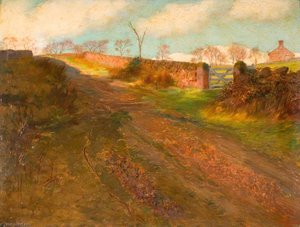
In his most celebrated works, such as Moorland Landscape (1903) or The Cart Road (1900), one can witness this delicate dance between the minute and the monumental. He possessed a singular talent for rendering the tactile:
- The weathered, ancient texture of stone walls lining country lanes.
- The intricate, individual blades of grass swaying in a summer breeze.
- The soft, ephemeral quality of sunlight filtering through a canopy of trees.
- The serene, heavy atmosphere of a misty moorland morning.
Historical Significance and Enduring Charm
As the decades progressed from the Victorian era into the mid-20th century, Cartlidge’s work remained a steadfast anchor to the traditional beauty of the British landscape. While art movements shifted toward more radical abstractions, his dedication to the landscape painting art movement ensured that the timeless charm of rural England was preserved for future generations. His paintings serve as a visual archive of a way of life that was slowly being transformed by the industrial and modern ages, offering a window into a period characterized by a profound connection to the natural world.
Today, the works of George Cartlidge are treasured not only for their technical excellence but for the emotional resonance they provide. To view a Cartlidge landscape is to experience a moment of stillness; it is an invitation to step away from the chaos of modern existence and find solace in the enduring, quiet majesty of the English countryside. His legacy remains etched in the soft light and verdant fields he so lovingly rendered, ensuring that his vision of rural tranquility continues to inspire awe and contemplation in all who encounter it.
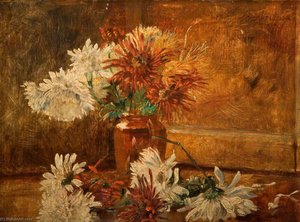
george cartlidge
1868 - 1961
Quick Facts
- Artistic Movement Or Style: Romanticism
- Artists Or Movements Influenced By This Artist: ['Hudson River School']
- Artists Who Influenced This Artist: ['John Constable']
- Date Of Birth: 1868
- Date Of Death: 1961
- Full Name: George Cartlidge
- Nationality: British
- Notable Artworks:
- Horton Landscapes
- Field to Daisy House
- Place Of Birth: London, England