 Preview
 Send
Send Share
Share
 Details

 Download
 Similars
 X-Ray
X-Ray Diaporama
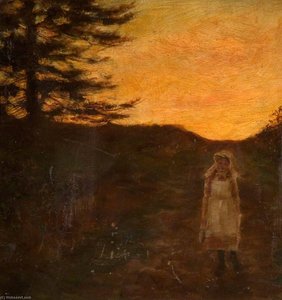
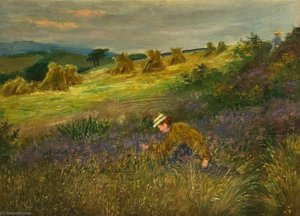
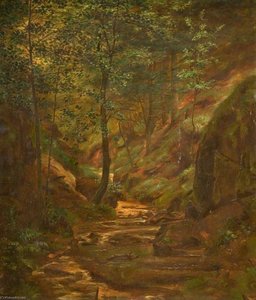
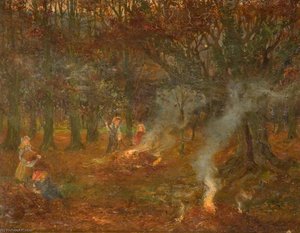
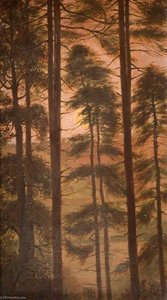
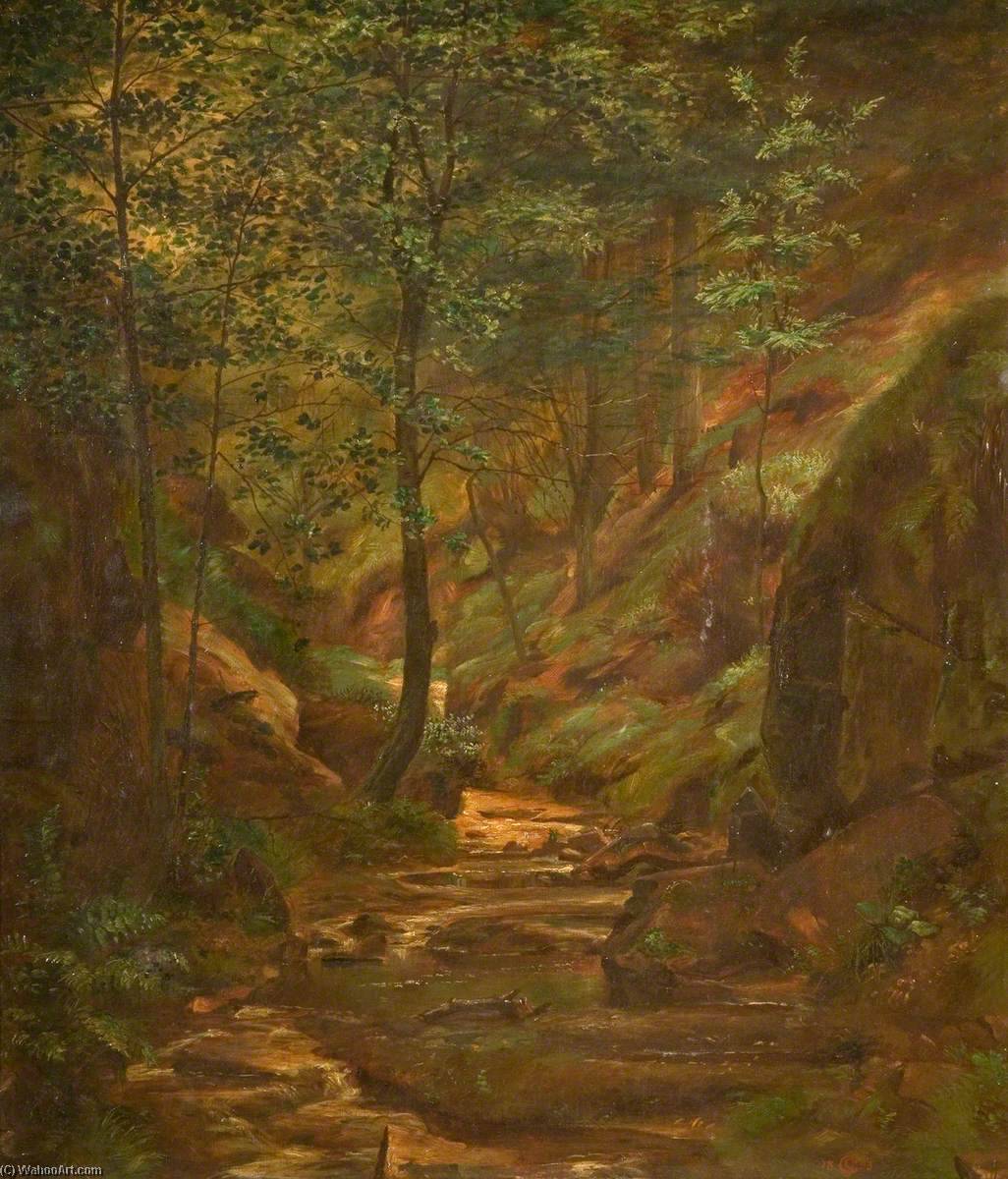
Woodland Scene
 1893
1893 60.0 x 50.0 cm
 Read More
Giclée / Art Print
Museum-quality giclée or canvas print with fast production and flexible finish options. ( Buy Hand Made Painting Buy Image)




































Pick from our preset sizes that match the artwork's original proportions.

You may enter your own dimensions to fit a specific frame or space. If your selected size does not match the original image's proportions, we will either crop the artwork or extend the image with a mirrored or solid-fill edge. A digital mockup will be sent for your approval before production begins.
Please note that the on-screen preview does not reflect the actual cropping or extension. Only the mockup will accurately show the final composition.
While custom sizes are available, we recommend selecting a dimension from the predefined list to preserve the original proportions.
Worldwide Delivery () in 2 weeks instead of standard 4/5 weeks. (17 August)

Free Worldwide Express Shipping

High-Quality Linen Canvas

Full Shipping Insurance

Customs Tax Refund Guarantee

True Color Matching Guarantee

60-Day Return Policy (Defects Only)

100% Money-Back Guarantee

Bulk Discount Offer
 Glass option is only available in size under 110 CM

Woodland Scene
Giclée / Art Print
Reproduction Size
-


Total Price
$ 63
Related Artworks
Artist Biography
George Cartlidge: A Painter of Rural Tranquility
George Cartlidge (1868 – 1961) was a British landscape artist renowned for his serene depictions of the Cotswold Hills and surrounding countryside. Born in Horton Parish, Gloucestershire, Cartlidge’s artistic journey began modestly but blossomed into a prolific career marked by meticulous observation and an unwavering commitment to capturing the subtle beauty of the English rural landscape. His paintings are treasured for their atmospheric realism and quiet contemplation, reflecting a profound connection with the natural world that characterized Victorian England.Early Life and Artistic Influences
Cartlidge’s formative years were steeped in Gloucestershire’s artistic heritage. He was educated at Marlborough College and subsequently pursued studies at Slade School of Fine Art in London, where he honed his skills under influential instructors like Frederic Leighton and William Holman Hunt. These mentors instilled in him a deep appreciation for Pre-Raphaelite ideals – emphasizing detailed realism, luminous color palettes, and mythological subjects—which subtly permeated Cartlidge’s artistic sensibilities. The influence of luminism, particularly the work of George Daniell, is evident in his masterful use of light and shadow to convey mood and texture.Cartlidge's Landscape Style: Precision and Impression
Cartlidge distinguished himself from many of his contemporaries through a unique blend of meticulous technique and expressive impressionistic considerations. While adhering to strict anatomical accuracy—a hallmark of Victorian art—he skillfully employed atmospheric perspective, layering colors and brushstrokes to create convincing illusions of depth and distance. Unlike some artists who prioritized fleeting effects of light, Cartlidge painstakingly rendered every element of his scenes with painstaking detail: the individual blades of grass, the weathered stone walls of cottages, and the dappled sunlight filtering through tree branches. His canvases convey a palpable sense of stillness and tranquility, inviting viewers to immerse themselves in the quiet grandeur of the Cotswolds.Notable Works and Recognition
Cartlidge’s artistic output spanned several decades, producing over 300 paintings that are now housed in prominent collections across Britain and internationally. Among his most celebrated works include “Horton Landscape” (1895), a quintessential Cotswold scene capturing the golden hues of autumn foliage; "The Old Mill" (1902), depicting a picturesque watermill nestled amongst rolling hills; and “Mrs Alfred Leese, Aunt to George Cartlidge” (1895), a portrait imbued with warmth and familial affection. His paintings were exhibited regularly at the Royal Academy and garnered critical acclaim for their artistic merit and evocative portrayal of rural life. He was awarded an honorary fellowship by Slade School of Fine Art in 1936, acknowledging his contribution to British art history.Legacy and Enduring Appeal
George Cartlidge’s legacy extends beyond his impressive oeuvre; he remains a symbol of Victorian landscape painting's dedication to capturing the sublime beauty of the English countryside. His paintings continue to resonate with audiences today due to their timeless quality—a testament to his ability to distill complex emotions into simple, elegant compositions. Cartlidge’s work embodies the Victorian ethos of observation and appreciation for nature, reminding us of a bygone era characterized by artistic idealism and a profound connection to the natural world. His paintings are displayed in St George Church, Sopron, Hungary, showcasing Baroque art and Medieval roots.
george cartlidge
1868 - 1961
Quick Facts
- Artistic Movement Or Style: Romanticism
- Artists Or Movements Influenced By This Artist: ['Hudson River School']
- Artists Who Influenced This Artist: ['John Constable']
- Date Of Birth: 1868
- Date Of Death: 1961
- Full Name: George Cartlidge
- Nationality: British
- Notable Artworks:
- Horton Landscapes
- Field to Daisy House
- Place Of Birth: London, England